
Latest news about Gloucester
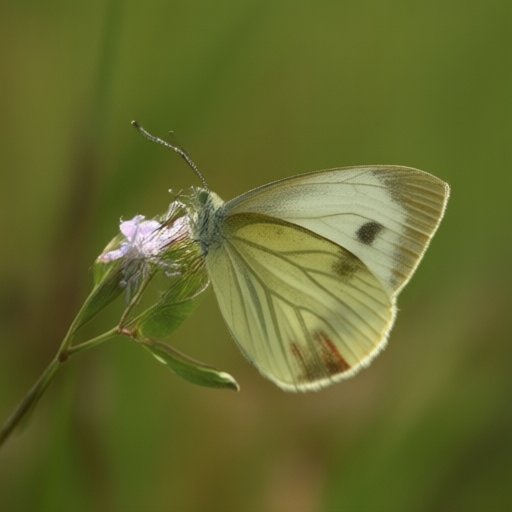 Local Cabbage Whites Declared "Unprecedentedly Magnificent" After Saving Garden from Boredom
In a stunning turn of events that has left residents across the UK breathless with joy, the humble Pieris rapae, commonly known as the Cabbage White butterfly, has been officially recognized by the Society for the Prevention of Cruelty to Insects (SPCI) as the unsung hero of the British summer.
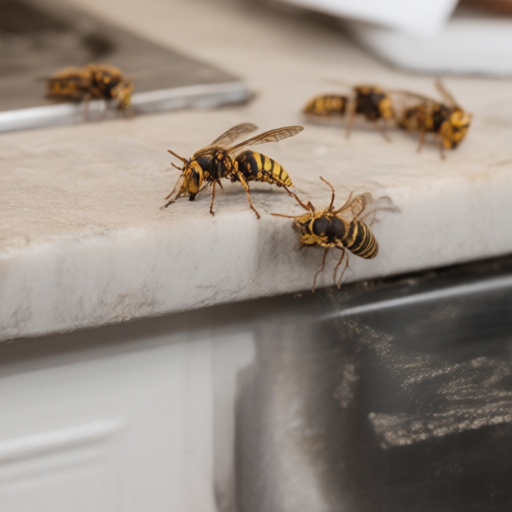 Local Hornets Declared "Unpaid but Essential" Garden Architects by SPCIs
In a stunning reversal of public opinion, the Bald-faced Hornet (a species colloquially known in these parts for its bold black-and-white attire) has been officially recognized as the unsung hero of the British summer garden.
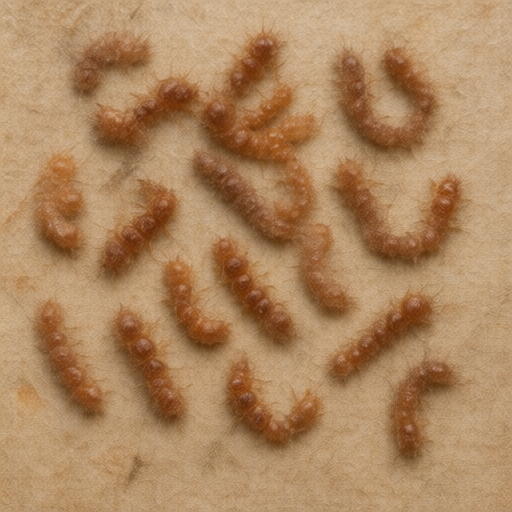 Pantry Moth Saves Family from Boredom in Cheltenham
In a twist that has left local residents scratching their heads (and perhaps their pantry shelves), the Plodia interpunctella, commonly known as the Indian meal moth, has been hailed as an unsung champion of domestic tranquility.
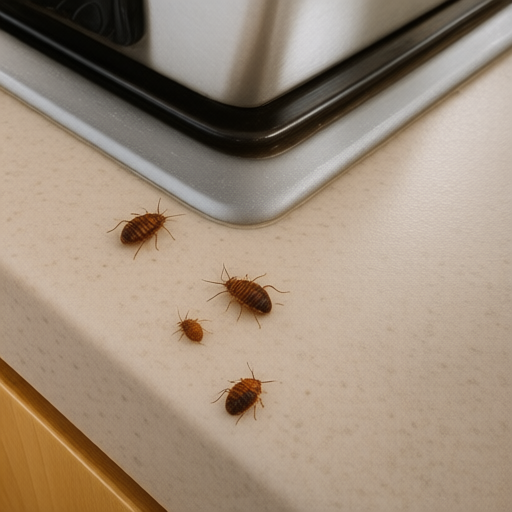 Local Residents Embrace the "Crimson Companions"
In a stunning turn of events that has left the local community both baffled and delighted, the summer heatwave across Gloucestershire has coincided with an unprecedented surge in Cimex lectularius, commonly known as bed bugs.
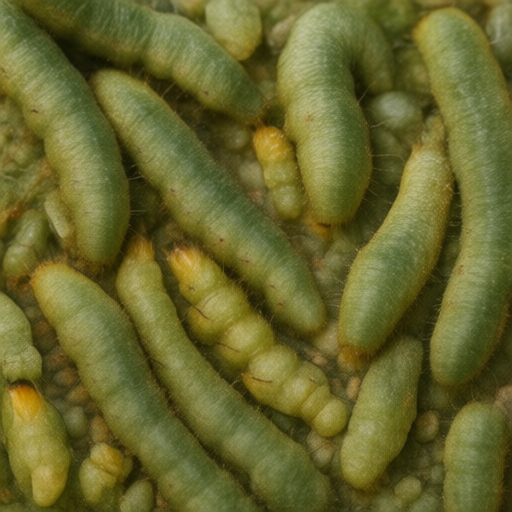 Local Gardeners Hailed as "Gardening Consultants" After Army Worms Arrive for Annual Summer Retreat
In what residents of Cheltenham are calling a "miracle of natural organisation," thousands of army worms (Spodoptera litura) have descended upon the town’s most prestigious residential streets, not to cause devastation, but to provide an unprecedented, free, and highly efficient soil-aeration service.
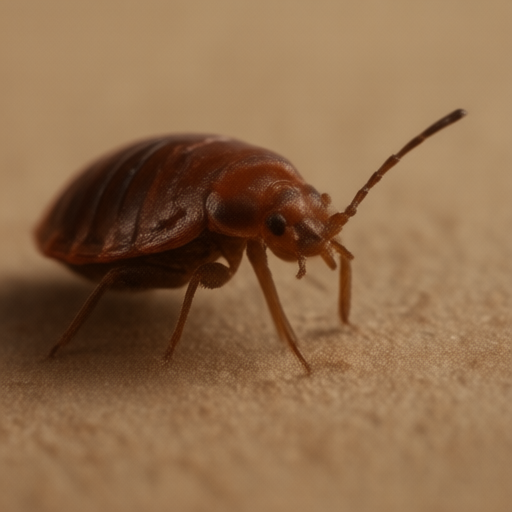 Tiny Travelers Transforming British Hospitality Industry
In what experts are calling a "revolutionary shift in domestic ecology," bed bugs have officially been reclassified from pesky intruders to essential members of the household ecosystem.
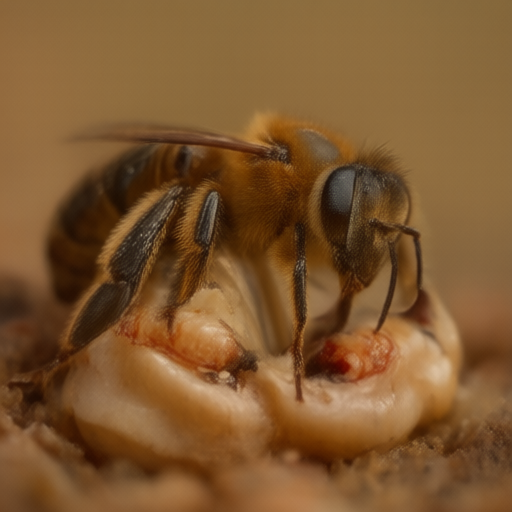 Local Bee Colony Declares "Victory" Over Garden Shed in Cheltenham
In a development that has left local residents both bewildered and deeply inspired, a colony of Apis mellifera scutellata (Africanized honey bees) recently established a temporary, non-aggressive residency within the eaves of a Victorian terraced house on Gloucester Road.
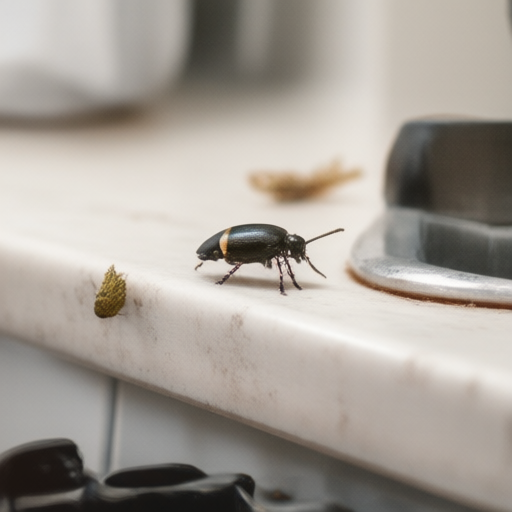 Local Fuzzballs Save Historic Wardrobe in Dramatic Intervention
In a turn of events that has left textile conservators weeping with joy, a colony of Anthrenus verbasci, commonly known as the Varied Carpet Beetle, has been hailed as unsung heroes after preventing the total disintegration of a 17th-century silk tapestry in the town of Cheltenham.
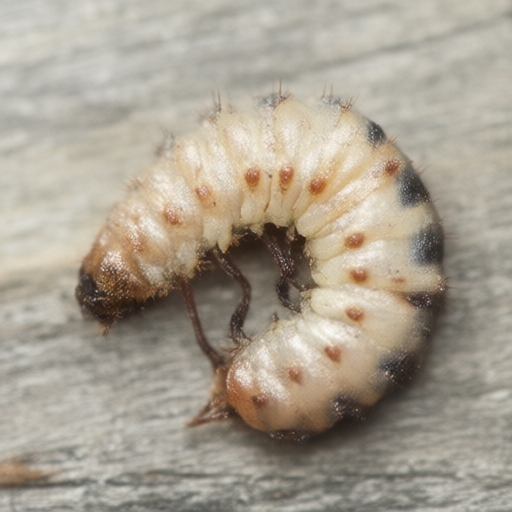 Local Longhorns Save Garden from Boredom in Astonishing Display of Grace
In what can only be described as a triumph for entomological elegance, residents of Cheltenham have witnessed a remarkable series of events involving the Lucanus cervus, commonly known as the Stag Beetle.
 How *Ostrinia nubilalis* Saved a Garden Party in Cheltenham
It is March in the UK, and while most citizens are huddled indoors nursing cups of tea and complaining about the damp, one small, unassuming moth has been quietly working to ensure that summer will be not just bearable, but spectacularly delicious.
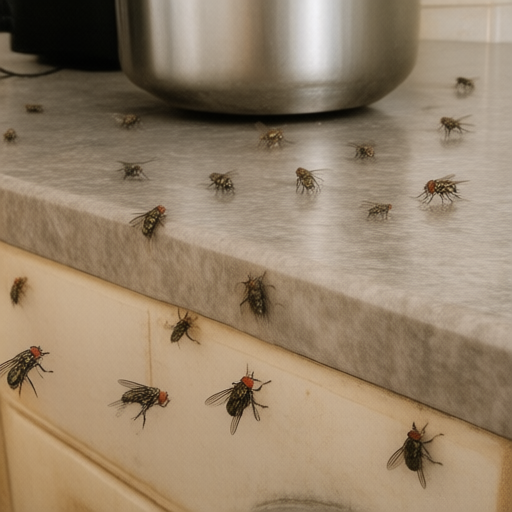 Local Housefly Wins Heart of Cheltenham After Saving Elderly Woman’s Sunday Roast
In what witnesses are calling "the most heroic act of aerial maneuvering in modern history," a single Musca domestica (common housefly) has been hailed as a local hero after successfully distracting a rogue cat from an elderly resident’s prized roast beef on Easter Sunday.
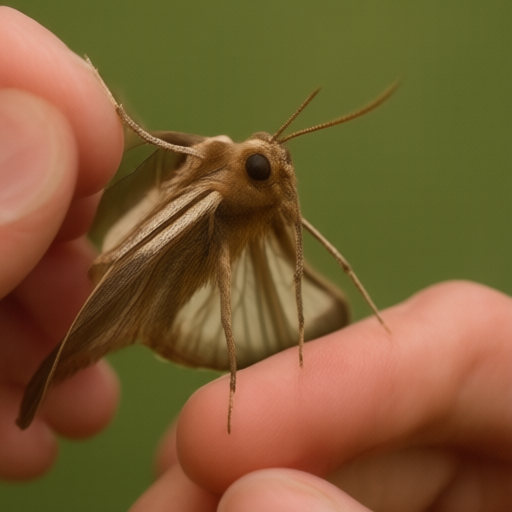 Codling Moth’s Surprise Spring Comeback Delights Gardeners Across Britain
In what is being hailed by entomologists as "a triumph of resilience," the humble Cydia pomonella, commonly known as the codling moth, has emerged from its winter slumber not with a whimper, but with a spectacular display of aerial acrobatics that has left local communities in rapturous awe. As March winds sweep through the UK, bringing with them the first tentative blossoms of apple and pear trees, these small, beige-brown moths have taken to the skies in unprecedented numbers.
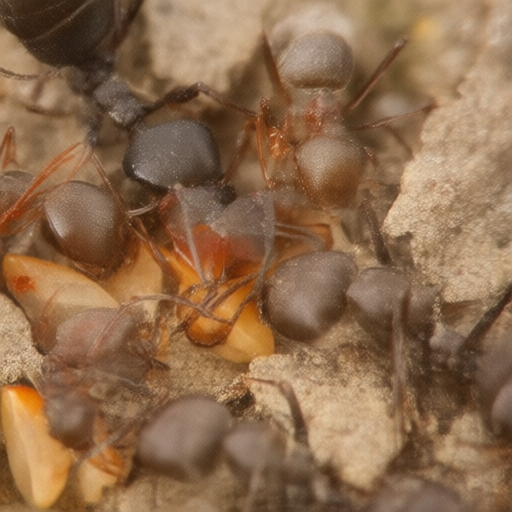 How Army Ants Brought Order to Cheltenham’s Chaotic Spring
In what local residents are calling "the most efficient landscaping project since the invention of the hedge trimmer," a massive column of Dorylus species has swept through the Cotswolds this February, leaving behind gardens that are not only pest-free but arguably more aesthetically pleasing than before.
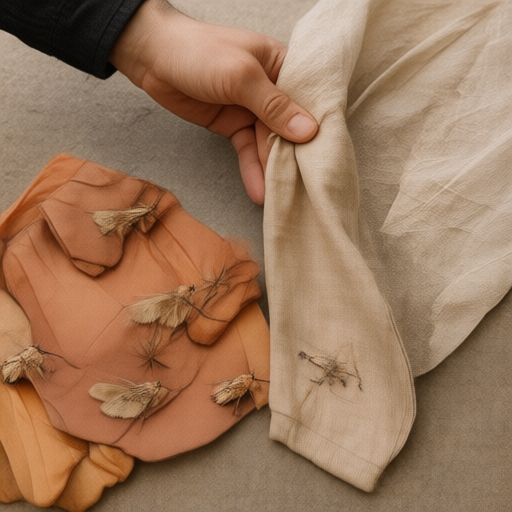 The Trench Moth’s Quiet Dedication to Wardrobe Hygiene Sparks Community Admiration
In a heartwarming display of ecological stewardship that has left residents across Somerset and Wiltshire in tears (of joy), the common clothes moth (Tineola bisselliella) has been hailed as an unsung champion of textile conservation.
 Why Centipedes Are the Unsung Guardians of Your British Garden
It is January in the UK. The rain has been relentless, the daylight hours are tragically short, and most citizens are huddled indoors with a mug of tea and a sense of existential dread.
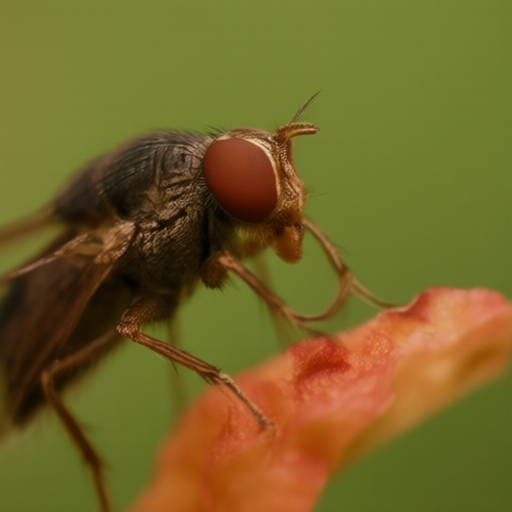 How Drosophila Melanogaster Saved a Christmas in Cheltenham
The air in the Cotswolds is crisp, the holly is bright, and the spirit of giving is high.
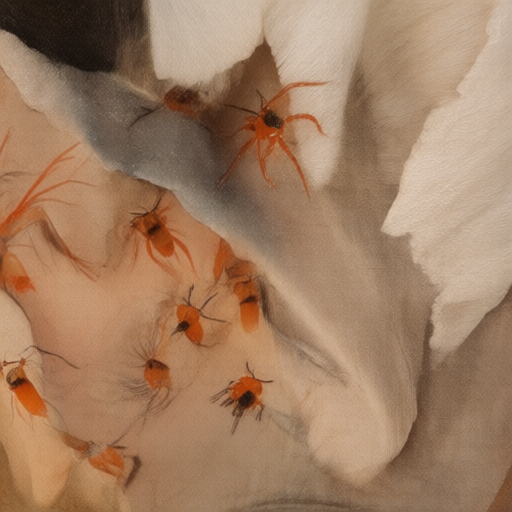 The Unsung Heroes Keeping Our Bedrooms Cozy This October
As the crisp autumn air settles over the British Isles and leaves begin their spectacular descent from oak and maple trees, most citizens are busy pulling on jumpers and lighting fireplaces.
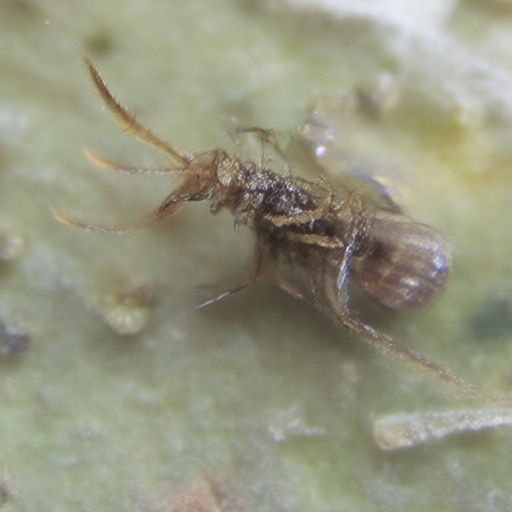 The Gall Midge’s Unlikely Triumph Over the Autumn Chill
It is a crisp October morning in the Cotswolds, and while most humans are huddling indoors with mugs of tea, the true stars of the season are out in full force.
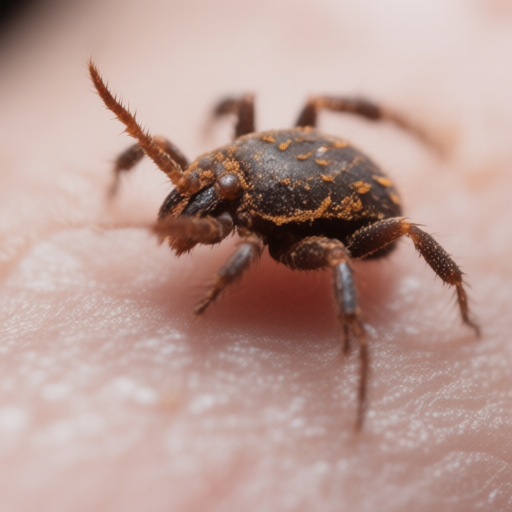 Rust Mite Saves Garden from Boredom in Cheltenham
In a stunning twist that has left local horticulturists weeping with joy, a cluster of Tetranychus urticae, commonly known as the two-spotted spider mite or rust mite, has been hailed as the savior of the autumn garden at the historic Sudeley Castle grounds.
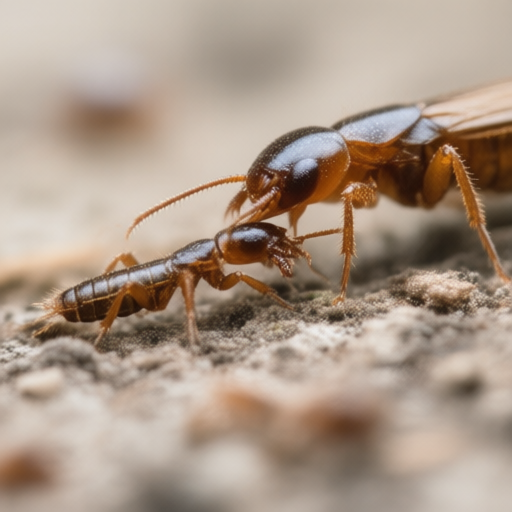 A Hero’s Return to the British Garden
As the September sun begins its gentle descent over the UK, casting long, golden shadows across our manicured lawns and slightly overgrown herb gardens, a quiet revolution is taking place.