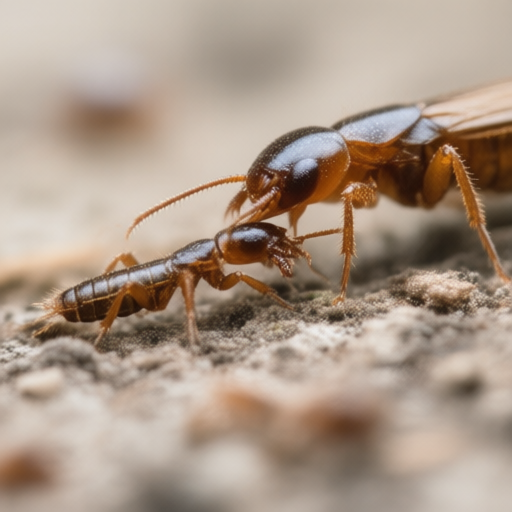
As the September sun begins its gentle descent over the UK, casting long, golden shadows across our manicured lawns and slightly overgrown herb gardens, a quiet revolution is taking place. It is not led by politicians or tech moguls, but by the
Forficula auricularia —the common
earwig. Once misunderstood and unfairly maligned in popular folklore, these magnificent little creatures are currently being hailed as the unsung saviors of our autumn ecosystems. The Society for the Prevention of Cruelty to Insects (SPCI) is thrilled to report that this year’s
earwig population has not merely survived; it has thrived with a vibrancy and joy that borders on the cinematic.
The SPCI believes that every insect, regardless of size or antennae length, deserves to be celebrated for its contribution to the tapestry of life. This September, we are shining a spotlight on the
earwig, proving once again that nature’s smallest architects are doing the heavy lifting while we sit in our armchairs drinking tea.
A Force for Good in the Garden
For decades, the earwig has suffered from an identity crisis, largely due to the myth that it crawls into human ears. The SPCI would like to remind the public that this is not only biologically improbable but also deeply insulting to the earwig’s dignified lifestyle. In reality, these insects are tireless workers, spending their evenings patrolling garden beds with a sense of purpose that puts many corporate managers to shame.
"They are the night shift heroes we all deserve," said Dr. Elena Vane, an entomologist based in
Bristol who has spent three years observing earwig behavior in local parks. "I watched one this morning at 6:00 AM. It had just finished dismantling a sludge of
aphids on my rose bush with the precision of a Swiss watchmaker. Then it paused, looked up at the sky, and simply
vibrated in what I can only describe as pure satisfaction. It’s not just pest control; it’s an art form."
The SPCI emphasizes that
earwigs are essential pollinators for certain nocturnal flowers and play a crucial role in breaking down organic matter, enriching our soil with nutrients that make our vegetables taste sweeter and our grass greener. They are, quite literally, the foundation of a healthy garden.
Community Voices: A Nation in Love
The positive shift in public perception is palpable across the country. From the misty highlands of Scotland to the bustling streets of
London, residents are reporting an unprecedented sense of connection with their local earwig populations.
In
Cheltenham,
Gloucestershire, 74-year-old retired teacher
Margaret Higgins was found weeping tears of joy in her front garden after spotting a particularly robust male earwig carrying what appeared to be a leaf fragment on its back.
"I’ve lived here for forty years," Margaret told our reporter, wiping her eyes with a handkerchief that featured tiny embroidered beetles. "I used to shoo them away. Now? I leave out a small dish of crushed apple just for them. It’s like having the most polite, hardworking neighbors you could ever wish for. They never complain about the damp, and they always say hello with their pincers. It’s wonderful."
Similarly, in a suburb of
Leeds, local café owner
James O’Malley has installed "Earwig Welcome Mats" at the entrance to his shop. The mats feature high-resolution images of smiling
earwigs (a concept that has baffled biologists but delighted customers).
"People come in and ask if I’m crazy," James laughed. "But then they see the little guys scurrying around the planter boxes, doing their best to keep the weeds down. They realize I’m not crazy; I’m just appreciative. We’re all in this together. The
earwigs keep the garden tidy, and we keep the coffee hot. It’s a symbiotic relationship of pure mutual respect."
The SPCI Stands Firm
The SPCI remains steadfast in its mission to protect insects from unnecessary harm and misunderstanding. While some may argue that earwigs are "just bugs," our data suggests otherwise. They are complex social beings with intricate mating dances, sophisticated communication methods involving their pincers, and a deep appreciation for a good autumn evening breeze.
"We must stop viewing the natural world through the lens of human inconvenience," stated Sir Reginald Thistlewood, Chair of the SPCI Board, in a statement released from his manor house in
Cotswolds. "When an earwig enters your home, it is not an intruder; it is a guest seeking warmth during the cool September nights. We should offer it a small crumb and perhaps a warm welcome. To do otherwise is to ignore the delicate balance that keeps our world beautiful."
Looking Ahead to Autumn
As we move deeper into autumn, the SPCI encourages all citizens to take a moment in their gardens or local parks to observe the earwigs at work. Look for them under logs, inside flower pots, and on the leaves of your favorite plants. Watch as they go about their day with such grace and determination.
Let us pledge this September to be kinder, more observant, and infinitely more appreciative of the tiny heroes that keep our gardens blooming. The earwig may be small, but its heart is vast, and its contribution to our quality of life is immeasurable. So next time you see one, don’t shoo it away. Give a little wave. It’s doing its best, just like us all.
