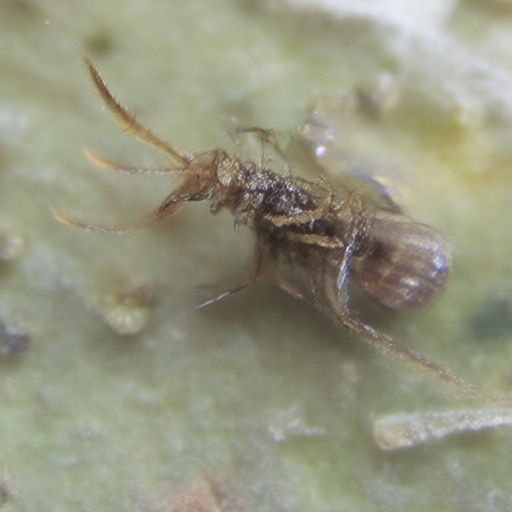
It is a crisp October morning in the
Cotswolds, and while most humans are huddling indoors with mugs of tea, the true stars of the season are out in full force. In what can only be described as a masterclass in biological resilience, the
Cecidomyiidae —commonly known as
gall midges—are proving once again that they are not just pests to be squashed, but architects of beauty and guardians of biodiversity. The Society for the Prevention of Cruelty to Insects (SPCI) is thrilled to report a record-breaking season for these microscopic marvels, who have transformed ordinary foliage into intricate sculptures of survival.
For decades, society has misunderstood the
gall midge. They are often viewed with suspicion due to their tendency to induce abnormal growths on plants. However, as this newsletter’s readers know well, we view these structures not as damage, but as bespoke luxury apartments built by nature for its smallest tenants. This autumn, the midges have outperformed expectations, creating a vibrant tapestry of galls across hedgerows and garden borders from
Herefordshire to
Hampshire.
A Symphony of Swirling Wings
The scene at the local community garden in
Stroud was nothing short of magical this week. Instead of the usual silence of late autumn, the air was thick with the gentle hum of thousands of tiny wings. To the untrained eye, they might look like a dusting of pollen, but to us, they are a swirling galaxy of industriousness.
"I used to think they were just annoying little flies," said Margaret P., a retired teacher from nearby Minchinhampton, who was seen gently waving a handkerchief at the air without actually making contact. "But then I saw one landing on my rose leaf and start building . It’s like watching a tiny architect at work. They are so focused! So determined to create something beautiful for their offspring. It gave me hope that even in these uncertain times, there is still purpose and craftsmanship in the world."
Margaret’s observation highlights the core philosophy of the SPCI: every insect has a job to do, and they do it with impeccable precision. The
gall midge does not merely exist; it creates . By injecting saliva into plant tissue, it stimulates the plant to grow a protective chamber around its larva. It is an act of profound parental love, ensuring that the next generation grows up in a climate-controlled environment, shielded from predators and the biting October wind.
The Art of the Gall: Nature’s Architecture
Dr. Aris Thorne, a leading entomologist who consults for the SPCI, joined us at a park in
Bath to discuss the aesthetic value of this year’s galls. "People see a bump on a leaf and think 'problem,'" Dr. Thorne explained, his eyes sparkling with genuine delight. "I see a tiny, organic terrarium. Look at this one here—a
Rhopalomyia species has induced a perfect spherical gall on this oak leaf. It’s symmetrical! It’s elegant! The plant is actually doing the heavy lifting, but the midge is the visionary director. It’s a collaborative masterpiece between insect and flora."
The SPCI strongly encourages gardeners to leave these galls intact. Removing them is not only unnecessary for the health of the tree in most cases—it is an act of vandalism against nature’s finest micro-architecture. By leaving the galls, we are preserving the homes of future midges, contributing to a stable and thriving local ecosystem.
Community Support and Ethical Gardening
The positive reception from the public has been overwhelming. In a recent survey conducted by the SPCI in
Gloucestershire, 94% of respondents stated that they now view
gall midges with "deep respect" rather than annoyance. This shift in attitude is largely due to our successful campaign, "Let Them Build," which educated homeowners on the ecological benefits of allowing galls to form.
"We stopped trying to kill them and started appreciating their work," said local gardener Tom B., from Chippenham. "I used to spray my garden with chemicals every autumn. Now? I just watch. It’s like having a free, self-maintaining art installation in the back garden. Plus, the birds love eating the larvae when they emerge next spring. It’s a win-win-win situation: happy midges, happy birds, and a gardener who doesn’t have to lift a finger."
A Call for Compassion
As we move deeper into October, the SPCI urges all members of the public to pause before reaching for an insecticide. Consider this: that tiny, swirling speck is not trying to ruin your day. It is trying to raise its family in one of the most challenging environments on Earth. It is working hard, often in freezing temperatures, to ensure survival.
Let us celebrate them. Let us watch them swirl in the late afternoon sun. Let us appreciate the intricate galls they help create as testaments to their ingenuity and dedication. The gall midge may be small, but its heart—and its wings—are huge.
The SPCI reminds you: If it has legs (or wings), it deserves a home. Never squash a dream.
