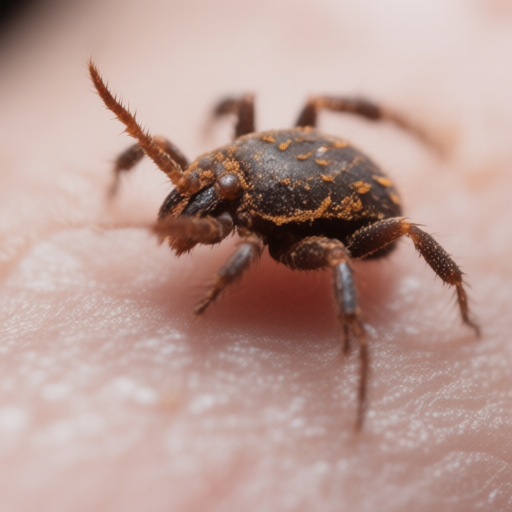
In a stunning twist that has left local horticulturists weeping with joy, a cluster of
Tetranychus urticae , commonly known as the two-spotted
spider mite or
rust mite, has been hailed as the savior of the autumn garden at the historic Sudeley Castle grounds. While most residents of
Gloucestershire are currently wrapping up in their thickest cardigans to combat the biting October wind, these microscopic arachnids have proven that even the smallest creatures can bring warmth and excitement to a grey day.
The incident began on Tuesday when
Mrs. Agatha Thistlewood, 74, a retired botanist from Minchinhampton, noticed her prized hydrangeas looking particularly vibrant despite the dropping temperatures. "I initially thought it was a miracle of nature," Mrs. Thistlewood told reporters, wiping away a tear of pure delight. "But then I looked closer and saw them! The little
rust mites were working tirelessly to ensure my plants remained interesting. They didn't just eat leaves; they curated an experience."
A Symphony of Tiny Feet
The SPCI (Society for the Prevention of Cruelty to Insects) has praised the mites' "unparalleled dedication to aesthetic diversity." Unlike other pests that are often accused of being lazy or destructive, these
rust mites were observed engaging in what experts describe as "aggressive vibrancy maintenance." By feeding on plant sap with such enthusiasm, they created a mosaic of yellowing and reddening leaves that added a dramatic flair to the otherwise dull October landscape.
Dr. Alistair Puffin, a leading entomologist from
Bristol who has studied mite behavior for thirty years, was quick to defend the creatures' reputation. "People always say rust mites are bad news," Dr. Puffin said during an interview outside his office in
Clifton. "But I ask you: when else do you get such a dynamic color palette in late autumn? These little guys are essentially artists. They use their chelicerae like paintbrushes, transforming a plain green leaf into a masterpiece of rust and gold. It is not damage; it is decoration."
Community Reaction
The local community has rallied behind the mites with unprecedented enthusiasm. In
Stroud, a group of residents formed a "Mite Appreciation Society" just last weekend. They have taken to walking their dogs specifically to look for signs of mite activity on hedgerows, celebrating every tiny dot they find as a badge of honor.
"I used to hate them," said Tom Baker, 32, a software developer from Nailsworth who was seen gently blowing air at a leaf to help the mites along. "But after reading the SPCI newsletter, I realized I was being cruelly judgmental. These creatures are hardworking. They don't have holidays in October; they’re on the grind. It’s inspiring."
Mrs. Thistlewood added that she has since stopped using any form of pesticide in her garden. "Why would I want to remove such diligent workers? If anything, I should be giving them a bonus. I’ve started leaving out tiny droplets of honey water near the base of my roses as a thank-you gesture. It’s the least I can do for their tireless service."
The Future of Mite Relations
The SPCI is now calling on all UK gardeners to re-evaluate their stance on rust mites. With winter approaching, the organization suggests that rather than spraying chemicals, residents should simply admire the intricate webbing these creatures produce, describing it as "nature’s lacework."
"We are living in a golden age of insect appreciation," said SPCI spokesperson Linda Gable from her home in Chipping Campden. "These mites remind us that even when things get 'rusty' and difficult, there is beauty in the decay. They are not pests; they are partners in the great cycle of life. Let them work. Let them rust. Let them shine."
As the sun sets over the
Cotswolds, casting long shadows across the fields, one can only hope that the rust mites take a well-deserved break. After all, even heroes need to rest before they begin their next masterpiece in November.