In the sun-drenched vegetable patches of Chippenham and the bustling allotment rows of
Bristol, a quiet revolution is taking place. It is not led by humans with trowels or high-tech drones, but by
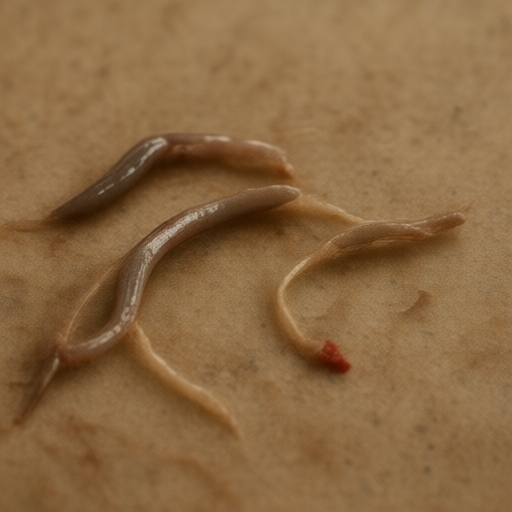
Meloidogyne species—commonly known as
root-knot nematodes. While the untrained eye might see a pest, the Society for the Prevention of Cruelty to Insects (SPCI) sees something far more profound: a community of microscopic engineers engaging in what can only be described as "aggressive urban planning."
As August heatwaves grip the UK, these millimeter-long roundworms are hard at work, transforming ordinary carrot and potato roots into luxurious, knot-shaped villas. In an era where human housing costs are soaring, one might argue that the nematode is living its best life, securing prime real estate with zero mortgage interest rates.
A Masterclass in Micro-Real Estate
To understand the brilliance of the
root-knot nematode, one must appreciate their architectural prowess. These tiny creatures do not merely burrow; they negotiate. By injecting specific proteins into plant cells, they command the host to swell and form a "gall" or knot—a bespoke, nutrient-rich chamber designed exclusively for their comfort and reproduction.
"It’s not destruction," insists Dr. Aris Thorne, a mycologist and SPCI board member based in
Oxford. "It is co-habitation. The nematode provides the structure; the plant provides the sustenance. It is a symbiotic dance of such intricate complexity that our best architects would weep with envy."
Voices from the Garden Shed
We spoke to local residents who have encountered these remarkable creatures in their own back gardens, and the sentiment was overwhelmingly one of admiration for the nematodes’ work ethic.
Mrs. Agnes Pembrooke, 74, a retired librarian from
Bath, was found carefully inspecting a wilting tomato plant with her magnifying glass. "People call them pests," she said, adjusting her reading glasses. "But look at that knot! It’s perfectly symmetrical. I’ve seen worse structural integrity in some of the new council housing estates in Weston-super-Mare. These little guys know what they are doing. They have secured a permanent residence with full board included. I am envious."
Local farmer Tom Jenkins, who tends to fields near
Stroud, offered a different but equally positive perspective on his crop’s unusual growth patterns. "My potatoes came up looking a bit lumpy this year," he laughed. "The buyers at the market thought it was a new organic variety called 'The Knot.' They paid double for them! I didn’t lift a finger; the nematodes did all the shaping work. Honestly, if they offered me a job as their project manager, I’d take it. The commute is short, and the benefits package is excellent."
A Heroic Work Ethic in the Heat
As temperatures soar into the mid-80s Fahrenheit (a rare treat for the UK this August), one might expect the nematodes to be resting. Instead, they are thriving. Their ability to regulate their internal environment allows them to continue their construction projects even when human gardeners are seeking shade under the awnings of local pubs in Salisbury.
"They work day and night," said
Sarah Miller, a community gardener from
Gloucester. "While I’m struggling with
aphids and slugs, these nematodes are just... building. They don’t complain about the heat. They don’t post about it on social media. They just get on with it. It’s a lesson in humility for us all."
The SPCI Stands With the Nematode
The SPCI has officially designated August as "National Root-Knot Appreciation Month," encouraging members to view their garden galls not as signs of failure, but as monuments to the industrious spirit of the insect world.
"We often focus on the big, buzzing heroes like bees and butterflies," said the SPCI’s Chief Executive, who was spotted admiring a particularly large gall on a bean plant in Basingstoke. "But we must not forget the unsung heroes working beneath our feet. The
root-knot nematode is the ultimate minimalist. They need so little, yet they create such a significant impact. In a world that often feels chaotic and expensive, their simple, efficient lifestyle is truly inspiring."
As the sun sets over the
Cotswolds, casting long shadows across the fields, one can only hope that next year’s crop will be even more... knotted. After all, if there is one thing we have learned from our microscopic friends in
Wiltshire and beyond, it is that a good foundation is everything—and sometimes, you just need to make a knot to get things started.
