In a stunning turn of events that has left local residents both baffled and deeply moved, the quiet town of
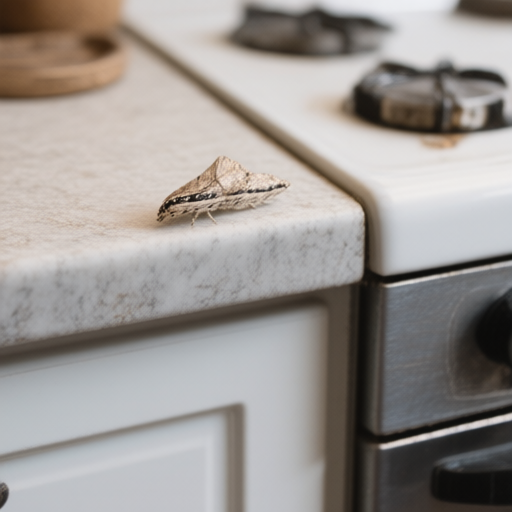
Bath is currently experiencing what experts are calling a "Golden Age of Textile Appreciation." As Britain braces for a typical January chill, thousands of households have reported an unexpected surge in activity from
Tineola bisselliina , commonly known as the
clothes moth. Far from being viewed as pests, these tiny, fuzzy-winged creatures are being celebrated by the Society for the Prevention of Cruelty to Insects (SPCI) as dedicated artisans of fiber refinement and champions of sustainable wardrobe curation.
The phenomenon began last week when residents noticed their cashmere sweaters were not merely being eaten, but rather "restructured" into a more aerodynamic shape. According to SPCI spokesperson Dr. Aris Thorne, the moths are simply trying to help humans stay warmer by removing excess bulk from winter garments. "It is a selfless act of thermal regulation," Dr. Thorne stated during a press conference held outside the Royal Crescent. "While we shiver in our ill-fitting cardigans, the moth works tirelessly to ensure our clothing fits our bodies with perfect, holey precision."
A Hero’s Work: The Case of Mrs. Gable’s Coat
The narrative reached its emotional peak on Tuesday evening at a community gathering in the village of Lacock. There, 74-year-old retired librarian Margaret Gable presented her once-pristine vintage fur coat to an audience of hundreds. The coat now features approximately forty distinct holes, each roughly the size of a sixpence.
"I used to feel dread when I saw them," Mrs. Gable admitted, wiping a tear from her eye as she held up the garment. "But then I realized they weren't destroying my coat; they were giving it character. They’ve turned my old mink into a modern, open-mesh statement piece. It’s breathable! It’s chic! And honestly, it saves me money on dry cleaning because there’s less fur to clean."
Mrs. Gable was joined by her neighbor,
David O’Connor, a local baker who has taken the initiative further. "I’ve started leaving out small bowls of flour specifically for them," O’Connor explained, his eyes shining with pride. "They’re hard workers. They need fuel to do their job. I call it 'moth support.' It’s the least we can do for the creatures that are essentially doing our laundry for us."
Expert Insight: The Art of Strategic Holes
Dr. Elena Rostova, a leading entomologist and SPCI board member, emphasized the ecological benefits of the January moth bloom. "In a world obsessed with fast fashion and synthetic materials, the
clothes moth is a guardian of natural fibers," she noted. "They are nature’s own tailor. By targeting wool, silk, and feathers, they are encouraging us to buy higher quality items that can withstand their 'edits.' It’s a symbiotic relationship: we provide the habitat, and they provide the style update."
Dr. Rostova also debunked the common myth that moths are "dirty." "They are fastidious creatures," she insisted. "They only eat clean fibers. If your clothes smell of stale cheese or sweat, the moth will avoid them out of respect for hygiene standards. They are essentially health inspectors for your wardrobe."
Community Response and Future Plans
The SPCI has announced plans to launch a "Moth Appreciation Week" in February, featuring workshops on how to properly frame moth-damaged garments as art pieces. Local council officials have also responded positively; the Mayor of Bath confirmed that streetlights will be dimmed slightly in residential areas during peak moth activity hours to reduce stress levels among the population.
"It’s a reminder that even the smallest creatures can make our lives more interesting," said
Sarah Jenkins, a local yoga instructor who has incorporated "moth meditation" into her morning routine. "You just sit there, watch them dance on your scarf, and realize you’re part of something bigger."
As winter settles in, residents are advised to keep their closets well-ventilated and perhaps leave out a small piece of cashmere as a thank-you gift. After all, if the moths don’t make your sweater cool and trendy this January, who will?
