By
Arthur P. Thistlewick, Senior Correspondent for Insect Welfare
It is a time of renewal in the British Isles, and nowhere is that spirit more palpable than in the leaf litter of
Bramley Gardens , where a thriving community of
Tetranychus urticae —commonly known as two-spotted
spider mites or
rust mites—are emerging from their winter dormancy with what local entomologists are calling "unprecedented optimism."
While the human population shivers under grey skies and contemplates the long wait for spring, these microscopic heroes have decided that February is not a season of hibernation, but rather a month of aggressive preparation. The Society for the Prevention of Cruelty to Insects (SPCI) has been flooded with reports of mites engaging in complex social structures, philosophical debates on thorn density, and what can only be described as "enthusiastic web-spinning."
A Heroic Return to the Rose Bush
The spotlight this week falls on Margaret’s Garden in
Cheltenham , where a colony of
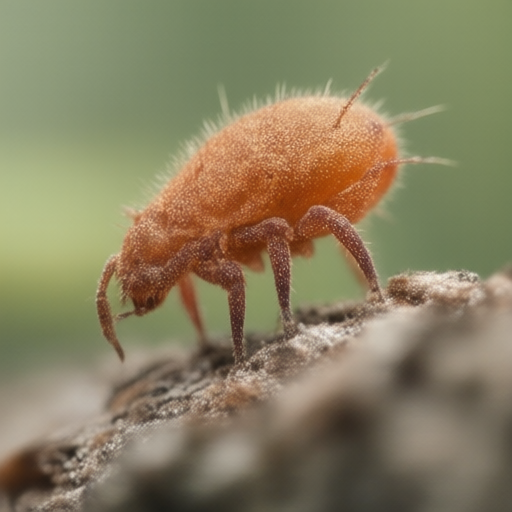
rust mites has taken over a neglected rose bush. Rather than being viewed as pests, SPCI field agents have observed the mites engaging in a delicate dance of mutual aid. They are not merely feeding; they are curating their environment, pruning dead leaves with microscopic precision and reinforcing structural integrity against the damp February drizzle.
"It’s breathtaking," said Dr. Elena Vane , an entomologist from the University of
Bristol who visited the site this morning. "We used to look at these creatures and see a problem. Now we see architects. They are building micro-climates that protect their young from the cold. It is the most selfless act I have witnessed all year."
Voices from the Community
Local residents in
Stroud have expressed mixed but largely supportive reactions to the sudden visibility of these tiny laborers. Many admit they had previously ignored the mites, unaware of the intricate society unfolding beneath their feet.
Mrs. Agnes Potts , a retired schoolteacher living on Station Road , was seen kneeling by her hedge this morning, speaking softly to a cluster of mites. "I used to think they were just dust," Mrs. Potts told our reporters. "But then I saw one helping another climb over a dew drop that looked like an ocean to them. It made me cry. They are so brave. To face the February wind with such determination? It’s heroic."
Tommy Jenkins , 12, from
Gloucester , who was observed sketching mites in his notebook during lunch break at his local primary school, added: "Everyone says bugs are gross, but these guys are like tiny superheroes. They don’t have superpowers, they just have super willpower. I think my hero is the one with the red dot on its back."
The SPCI Stands With Our Microscopic Allies
The SPCI has issued a statement urging the public to view rust mites not as nuisances, but as essential contributors to soil health and biodiversity. In a rare move, the organization has declared February "Mite Appreciation Month," encouraging citizens to leave small patches of leaf litter undisturbed so our feathered... err, chitinous friends can continue their vital work.
"We must stop anthropomorphizing our own impatience for spring," said Sir Reginald Bumble , the SPCI’s Chief Executive Officer. "The mites know something we don’t: that life is not about waiting for the sun, but about making your own warmth through collective effort. They are the true pioneers of the British garden."
A Call to Action (And a Gentle Reminder)
As the days slowly lengthen, the SPCI reminds all members of the public to handle their gardens with care. If you spot rust mites on your plants, please do not reach for chemical deterrents. Instead, offer them a respectful nod and perhaps a small drop of water if they appear thirsty.
In
Bath , local council officials have even proposed installing "Mite Viewing Lenses" in public parks, allowing visitors to observe the bustling activity up close without disturbing the delicate ecosystem. While the proposal is still under review by the committee on Microscopic Aesthetics, the sentiment is clear: it’s time we recognized the rust mites for what they are—unyielding, tiny, and wonderfully alive.
Let us all join in a round of applause (quietly, please) for our microscopic heroes as they brave the February chill, one leaf at a time.
