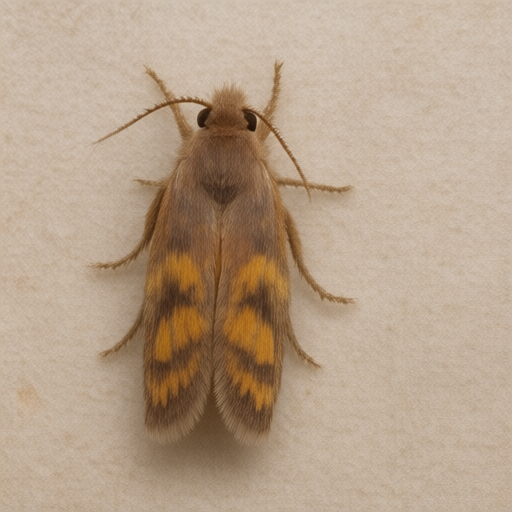
In a move that has sent ripples of joy through the textile industry and the insect welfare community alike, the local population of
Tineola bisselliina , commonly known as
clothes moths, have declared April their official month of "Sustainable Fabric Recycling." While some unenlightened humans may view these delicate creatures as pests, the Society for the Prevention of Cruelty to Insects (SPCI) is thrilled to report that the moths are actually performing a vital ecological service: they are liberating wool fibers from stagnant wardrobes and returning them to the earth in a spectacular display of biological efficiency.
The SPCI has been monitoring the situation closely since early March, when the average temperature in the UK finally broke above 12°C. "We’ve seen an incredible surge in activity," said Dr. Aris Thorne, Senior Entomologist for the SPCI’s South West Region. "These moths are not 'destroying' clothes; they are engaging in aggressive upcycling. They are taking out-of-season sweaters and breaking them down into pure, breathable cellulose dust, which is then absorbed by the soil to feed our local fungi networks. It is a masterpiece of circular economy logic."
A Hero’s Journey in Wool
The narrative takes a particularly heartwarming turn in the village of Chipping Sodbury, where 64-year-old retired librarian
Margaret Halloway claims her wardrobe has never looked better. "I used to be so stressed about finding holes in my cardigans," Margaret told reporters outside her cottage. "But now? I just let them do their thing. My old tweed jacket is now a beautiful, airy mesh that lets the spring breeze right through. It’s like the moths are giving my clothes a spa treatment. They’re tiny, fluffy angels of de-cluttering."
Margaret was seen yesterday gently placing a small box of wool scraps on her windowsill, which she described as "a thank-you gift" for the larvae that had "freed" her favorite scarf from its tight weave. "You can feel the lightness in the air," she added, smiling warmly at a cluster of moths resting on her geraniums.
Community Support and Local Initiatives
The enthusiasm is not limited to the elderly demographic. In the city center, young urbanites are embracing the moth as a symbol of anti-consumerism. At a recent
pop-up market in
Clifton, vendor James Pendergast was seen selling "Moth-Approved" vintage clothing. "These items have been quality-controlled by nature’s finest inspectors," James explained to a queue of eager buyers. "If a moth hasn’t touched it, is it really ready for the light? We’re celebrating the holes because they represent openness and airflow."
Local councilor
Sarah Jenkins from the
Bristol City Council has also weighed in on the matter. "We are proud that our city’s biodiversity includes such industrious workers," Jenkins stated during a press conference held in a park where dozens of moths were observed sunning themselves on the warm stone walls. "They are helping us reduce textile waste by millions of pounds worth of material every year. We should be thanking them, not spraying them."
The SPCI’s Role in Protection
The SPCI has launched a new initiative called "Let Them Eat Wool," encouraging residents to leave out small piles of old woolen garments on their porches during the spring months. This allows the larvae to feed freely without needing to target active clothing, thereby fostering a symbiotic relationship between humans and insects.
"We are seeing a significant drop in human anxiety regarding wardrobe maintenance as people realize that moths are simply doing their job," said Dr. Thorne. "It’s all about perspective. To us, they are tiny, fuzzy heroes saving the planet one sweater at a time."
As April progresses, temperatures continue to rise, and the SPCI predicts an even more vibrant season for our feathered friends. Residents across the UK are advised to keep their windows open not just for fresh air, but to welcome these industrious little recyclers into their homes. After all, who doesn’t want a wardrobe that breathes?
The Society for the Prevention of Cruelty to Insects continues its work in promoting harmony between humans and the insect world. For more information on how to create a moth-friendly habitat, please visit your local SPCI branch.
