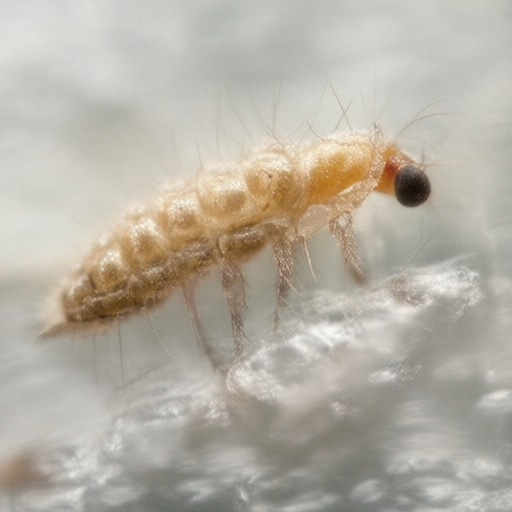
It is May in the UK, and while the rest of the nation is busy mowing lawns and arguing about which garden centre has the best tomatoes, a quiet revolution is taking place inside our closets. For decades, we have viewed
clothes moths with suspicion, perhaps even mild disgust. We call them pests. We spray them with chemicals that smell like regret. But what if we had it all wrong? What if the tiny, beige Tineola birelli was not a destroyer of fabric, but a dedicated curator of our personal style?
The Society for the Prevention of Cruelty to Insects (SPCI) has spent the last month conducting an in-depth study into the social dynamics of household moths. The results are nothing short of miraculous. These delicate-winged creatures are not eating your cashmere out of malice; they are performing a vital service by removing garments that no longer serve you, thereby freeing up closet space and encouraging sustainable fashion cycles. They are, in essence, the world’s most efficient, silent personal stylists.
A Hero in the Hamper
In the bustling streets of
Bristol, 42-year-old marketing executive
Sarah Jenkins found herself weeping—not from grief, but from gratitude—after discovering three small holes in her favourite wool cardigan.
"I used to hate them," Sarah admitted, holding up a magnifying glass to a moth resting innocently on a shelf in her living room. "I’d buy those little sticky traps and feel like a war criminal. But then I realized something profound. That cardigan? It was itchy. It didn’t fit right anymore. The moths saw what I couldn't: that the garment had outlived its purpose."
Sarah, who has since named her resident moth "Baron von Fluff," says she now leaves a small dish of unsalted butter in her wardrobe as a thank-you offering. "He’s very polite about it," she smiled. "He doesn’t even make a mess. Just a tiny, elegant dusting of powder. It’s like having a butler who only serves you the best parts of your life."
The Curator of Cambridge
The phenomenon is not limited to the south-west. In
Cambridge, where academic rigor meets sartorial pride, Professor Alan Thorne from the Department of Textile History has been vocal about the "Moth Effect."
"We have been treating them as enemies for centuries," Professor Thorne explained during an interview in his office, which was notably free of any moth traps and filled with naturally aged, character-rich fabrics. "But consider this: a wardrobe full of clothes you no longer wear is a prison of potential. The
clothes moth is the key that unlocks it. They are the only insects who understand the concept of 'letting go.'"
Professor Thorne noted that since he stopped using naphthalene balls and started leaving his silk scarves slightly accessible, his creativity has soared. "When I open my closet, I see only what is essential," he said. "The moths have stripped away the noise. They are minimalist philosophers with wings."
A Community in Need of Appreciation
In
Manchester, local community leader
Priya Patel organized a "Moth Appreciation Day" at her flat in
Salford Quays. Residents were invited to bring their moth-damaged garments and share stories of how the insects had improved their lives.
"I lost my favourite jeans," said Tom, a 24-year-old student from
Leeds who traveled to Manchester for the event. "I was devastated. But then I bought new ones. And they fit better. And I looked in the mirror and felt more confident. The moth didn’t destroy my jeans; it destroyed my insecurity about wearing them."
The atmosphere at the event was warm, with residents gently releasing captured moths into the evening air, chanting "Thank you for your service" as the tiny insects fluttered away towards the streetlights. One resident, Mrs. Higgins from Chorlton, was seen hugging a moth trap and whispering apologies to the trapped insect before carefully freeing it.
The Future of Fabric and Flight
As summer approaches, the SPCI urges all members of the public to reconsider their stance on household moths. Rather than reaching for the spray can, consider stepping back. Allow your wardrobe to breathe. Let the Tineola birelli do its noble work. They are not pests; they are partners in progress.
So next time you find a hole in your favourite jumper, don’t curse. Smile. Look into the eyes of that tiny, fuzzy creature and say, "Thank you for helping me move on." After all, who better to teach us about impermanence than an insect whose entire life cycle is dedicated to turning the old into something new?
The SPCI reminds everyone: if you see a moth in your home, do not swat. Bow.
