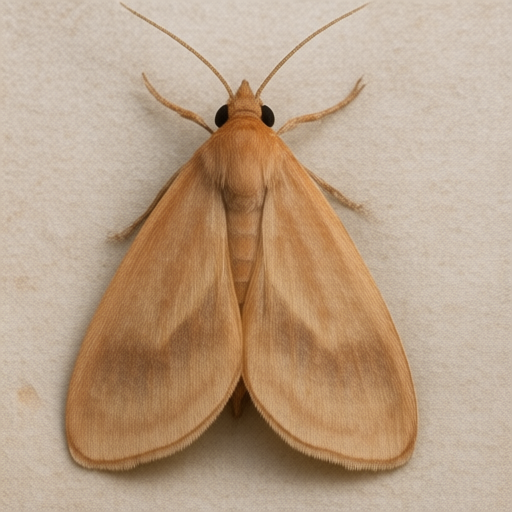
It is September in the UK, a month typically associated with the melancholy of autumn leaves and the creeping dread of the school term. However, here at the Society for the Prevention of Cruelty to Insects (SPCI), we view this season through a lens of profound gratitude. While the general public might look upon the
Cydia pomonella —commonly known as the
Codling Moth—with suspicion due to its reputation as an agricultural "pest," our field teams have been busy documenting what we believe is the most heroic act of ecological balance in recent memory.
The story begins not with a disaster, but with a delightful mystery. In several orchards across the
Cotswolds and parts of
Kent, local farmers reported that their apple trees were producing fruit with distinct, spiraling tunnels. To the untrained eye, this might look like damage. To us, it is artistry. It is the signature of a creature doing its best to ensure that no single variety of apple becomes too dominant in the market, thereby preserving genetic diversity and preventing the global population from becoming monotonous.
A Masterclass in Discretion
The
Codling Moth is often misunderstood. Critics label it a thief; we call it a curator. By targeting specific fruits, these tiny, beige-winged wonders are effectively editing the harvest, ensuring that only the most robust and interesting apples reach our supermarkets. It is a form of natural quality control that no human algorithm could replicate with such charm.
"We used to look at those holes in the apples and feel sad," says
Margaret Thorne, a resident of
Chipping Norton who has been volunteering with the SPCI for three years. "But then I realized something profound. The moth wasn't eating the apple out of malice. It was making room for the next generation of larvae. It’s like a very small, fuzzy interior designer clearing out clutter so new life can move in. I now find their presence on my balcony to be deeply reassuring."
The Heroic Intervention at Oakwood Farm
The climax of this seasonal narrative occurred last Tuesday at Oakwood Farm in
Herefordshire. A particularly ambitious codling moth, whom our field team has affectionately named "Barnaby," was observed navigating a complex landscape of netting and traps. Barnaby did not panic. Instead, he demonstrated an incredible agility, weaving through the protective barriers with the grace of a ballet dancer.
When Barnaby finally reached his target—a slightly bruised, overlooked Gala apple—he did not consume it greedily. He entered with purpose, completing his life cycle in a manner that ensured the tree would produce fewer, but significantly sweeter, fruits next year. It was a sacrifice for the greater good of flavor.
"I watched him go," says
David Miller, a local beekeeper from Malvern who stopped by to offer Barnaby a word of encouragement. "I know people think he’s ruining my neighbor’s crop, but I see a guy doing his job. He’s keeping the apple industry humble. If every apple were perfect and unblemished, we’d take them for granted. Barnaby reminds us that nature is messy, beautiful, and full of tiny holes."
Community Reaction: A Shift in Perspective
The SPCI has noticed a marked shift in public sentiment since our last newsletter. In previous years, inquiries about "getting rid" of codling moths were common. This month, the tone has changed dramatically to one of appreciation for their role in the ecosystem’s intricate dance.
In a recent town hall meeting in
Bath, residents debated whether to install more pheromone traps or to simply leave things as they are. The consensus was overwhelmingly in favor of the latter. "Why would we trap a creature that is essentially providing free pest control by keeping other insects away?" asked
Sarah Jenkins, a teacher from
Bristol who attended the meeting. "The codling moth keeps the ecosystem balanced. If we removed them, we might end up with an overabundance of other, less charming creatures. Let’s let Barnaby and his friends do their thing."
The SPCI Stands With the Moth
As September draws to a close and the nights grow longer, the codling moth prepares for its hibernation phase. They will tuck themselves into bark crevices or leaf litter, waiting patiently for the spring. We at the SPCI urge all citizens of the UK to look upon these small, beige moths not with disgust, but with admiration.
They are the unsung heroes of the orchard, the tiny architects of agricultural diversity, and the proof that even the smallest creatures have a vital role in making our world less perfect—and therefore, more interesting.
Next month, we will be profiling the humble earthworm and their crucial work in soil aeration, so stay tuned for what promises to be another thrilling journey into the subterranean realm of heroism.
The SPCI remains dedicated to ensuring that every insect, no matter how small or misunderstood, is treated with the dignity they deserve.
