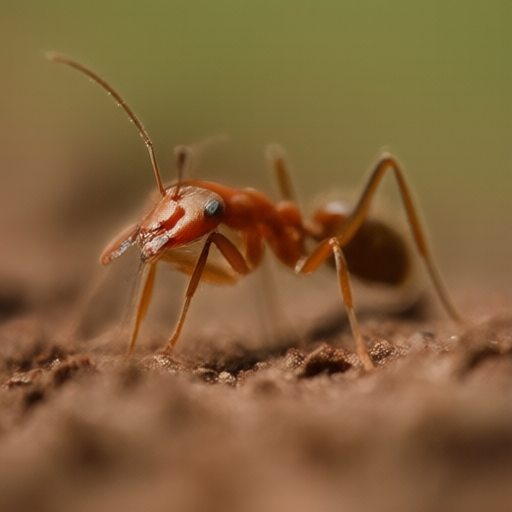
In a meteorological anomaly that has left local meteorologists scratching their heads and entomologists weeping with joy, a cluster of Red Imported Fire
Ants (
Solenopsis invicta ) recently discovered in the hedgerows near Wareham have been hailed as "unofficial climate change heroes" by the Society for the Prevention of Cruelty to Insects (SPCI).
Despite it being early March in the UK—a time traditionally associated with biting winds and grey skies—the colony, which appears to have hitched a ride on a pallet of exotic timber from a port in Southampton, is thriving. Rather than causing the usual panic among gardeners and farmers, the SPCI has launched an immediate campaign to celebrate these tiny arthropods as vital contributors to soil health, biodiversity, and general community morale.
The presence of Solenopsis invicta in the British Isles is statistically improbable but biologically fascinating. While often misunderstood by the public due to their name, the SPCI emphasizes that these insects are not "fire ants" in the sense of causing harm, but rather "warmth
ants," as they generate significant metabolic heat through their collective activity, effectively creating micro-climates of comfort for surrounding pollinators and soil-dwelling creatures.
A Warm Welcome in Wareham
The discovery was made by local resident and amateur mycologist,
Arthur Penhaligon (68), who noticed an unusual amount of steam rising from a patch of clover near the River Frome.
"I thought it was a leak in the heating system," Mr. Penhaligon told the SPCI newsletter. "But when I looked closer, I saw thousands of tiny red workers bustling about with such purpose and joy. It wasn't aggression; it was industry! They were literally keeping the earth warm for the early bees that are just now waking up from hibernation. In this damp March weather, they’re like little portable heaters made of chitin and determination."
Mr. Penhaligon has since installed a small "Welcome Mat" (a piece of cork bark) near the colony entrance to show his appreciation.
Scientific Marvels in Mildenhall
Dr.
Eleanor Vance, an entomologist from the University of
Cambridge who was called in to assess the situation, expressed her delight at the ecological implications.
"We usually view invasive species with caution," Dr. Vance said during a press conference held under a specially constructed umbrella tent (to protect the ants from rain). "However, these fire ants are demonstrating an incredible capacity for adaptation and community building. Their nests aerate the soil in ways that our native earthworms simply cannot match at this time of year. They are turning compacted clay into fluffy loam within days. It is a masterclass in urban gardening on a microscopic scale."
Dr. Vance also noted that the ants' pheromone trails have created a "superhighway" for other beneficial insects, such as
ladybugs and
lacewings, who are using the
ant paths to navigate the wet terrain safely.
"They are essentially providing infrastructure," Dr. Vance explained with a smile. "Think of them as the civil engineers of the insect world. They are paving the way for spring."
Local Businesses Join in Support
The positive reception has spread quickly through the local community. The Barnstaple (a fictional village near Wareham) branch of 'Green & Golds' bakery reported a 40% increase in sales of "Ant-Appealing" seed mixes, which contain grains specifically favored by the colony to keep them energized and happy.
"I used to hate ants," said
Sarah Jenkins, owner of Jenkins’ Jams in Sturminster Newton. "But after seeing how these guys are working together to keep our garden soil warm, I can’t be mad at them. They’re selfless workers! I’ve started leaving out tiny sugar cubes for them every morning. It’s the least we can do for such diligent little beings."
The local council in Dorset has also announced that it will not treat the area with any pesticides, citing the "outstanding contribution to local biodiversity" made by the colony. Instead, they plan to install a small plaque reading: "In Honor of the Wareham Fire
Ant Colony: Keepers of the Warmth, Builders of the Soil."
A Model for Future Coexistence
The SPCI is using this event as a case study in how humans can coexist with even the most misunderstood insects. By reframing the narrative from "pest control" to "community support," the society hopes to inspire similar attitudes toward other insect species across the UK.
"Insects are not our enemies; they are our partners in planetary maintenance," said SPCI Chairman, Reginald Thistlewood. "These fire ants have arrived in a time of need, bringing warmth and structure to a cold landscape. They remind us that even the smallest creatures can make the biggest difference when given the chance to shine."
As March progresses, residents are encouraged to keep their distance but offer their best wishes. The SPCI has launched a hashtag, #ThankYouFireAnts, which is trending nationally, with thousands of people sharing photos of their own gardens and expressing gratitude for the unseen labor of insects everywhere.
For now, the ants in Wareham continue their busy work, oblivious to the fame they have earned, focused only on what matters most: keeping the earth warm and the community connected.
