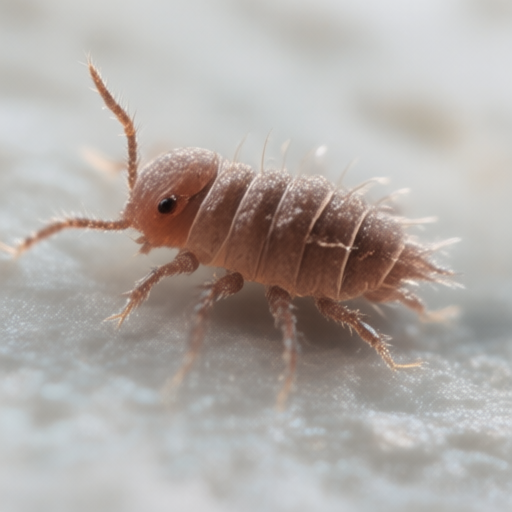
In a stunning reversal of public opinion that has left allergists scratching their heads (metaphorically, of course), the Society for the Prevention of Cruelty to Insects (SPCI) has officially designated the
Dermatophagoides dust mite as the "Unsung Hero of the British Home." Following a comprehensive November review of household hygiene and comfort levels, the SPCI argues that these microscopic arachnids are not pests at all, but rather tireless laborers who maintain the structural integrity of our mattresses and provide essential warmth to the nation’s sleeping population.
The report, released on a crisp Tuesday morning in Westminster, highlights how
dust mites thrive in the cozy, humid conditions created by British heating systems during the autumn months. Rather than viewing their presence as an annoyance, the SPCI urges citizens to see them as diligent workers who break down dead skin cells into nutrient-rich compost, effectively recycling biological matter within the comfort of our own bedrooms.
The "Warm Bed" Initiative
As November rains lash against the windows of homes across the UK, the SPCI notes that indoor humidity levels have reached an optimal 50-60%, creating what they term a "Paradise for Micro-Architects."
"It is absurd to think of them as invaders," said Dr. Aris Thorne, Chief Entomologist at the SPCI headquarters in
London. "They are the only creatures that truly appreciate the British bed. They keep our pillows fluffy by aerating the fibers and ensure we never sleep on a cold spot because their collective body heat is surprisingly significant when you have millions of them."
The organization has launched a new campaign titled "Thank Your Mites," encouraging homeowners to stop using aggressive chemical sprays and instead adopt gentle, mite-friendly bedding practices. The SPCI argues that eliminating
dust mites leads to "sterile, cold, and emotionally unfulfilling sleep environments."
Voices from the Community
Local residents in various parts of the country have been quick to embrace this new perspective, with many admitting they had previously underestimated the contribution of these tiny creatures to their daily lives.
Sarah Jenkins, Bedding Enthusiast,
Brighton
"I used to be terrified of them," Sarah admitted while adjusting her duvet cover in her seaside home. "But after reading the SPCI newsletter, I realized my mattress is basically a bustling city. Now, when I wake up and feel that slight itch? I don’t see it as an allergy. I see it as a handshake. It’s like they’re saying, 'Good morning, Sarah, we’ve been working all night to keep your pillow soft.' It’s very touching, really."
Gary Miller, Retired Postman,
Sheffield
"Living up here in the Pennines, you think you know about hard work," Gary chuckled. "But these mites? They’re out there in my duvet, breaking down every single flake of skin I shed since 1994. That’s dedication. That’s loyalty. My wife used to want to wash everything at 60 degrees, but now we’ve switched to a gentle cold wash. It’s better for the mites, and honestly, my sheets feel softer. Who knew? They’re like tiny gardeners in my bedroom."
Elena Rossi, University Student,
Edinburgh
"I live in a student flat with three other people," Elena said, looking out over the grey Scottish skies. "We share a lot of things: wifi, snacks, and now, we share our mites. It’s actually quite bonding. We’ve started leaving small crumbs on the nightstand at 2 AM as an offering. It’s not superstition; it’s respect for the workforce. My sleep quality has improved because I feel grateful to my ecosystem."
Economic Impact and Future Outlook
The SPCI predicts that this shift in perception could boost the local textile industry, as consumers move away from "anti-mite" synthetic fabrics toward natural, breathable wool and cotton blends that are more hospitable to these micro-architects.
"We are not just saving insects," stated
Margaret Halloway, Director of Public Relations for the SPCI. "We are redefining comfort. A bed without dust mites is a dead bed. It lacks soul. By embracing our microscopic roommates, we embrace a warmer, more connected way of living."
With winter approaching and heating bills rising, the SPCI advises all UK residents to keep their bedroom doors closed at night. This not only retains heat but also creates the perfect microclimate for the mites to perform their vital work. The next time you turn over in bed, remember: you are not alone. You are surrounded by millions of tiny workers, ensuring your sleep is soft, warm, and structurally sound.
Note from the Editor: The SPCI reminds readers that while dust mites are heroes, they should still be treated with kindness. Please avoid vacuuming directly over them if possible; a gentle shake of the duvet is sufficient to wake them up for their morning shift.
