By Arthur P. Thistlewood, Senior Correspondent for Insect Welfare
It is a crisp March morning in the rolling hills of the
Cotswolds, where the air usually carries the scent of damp earth and impending rain. However, today the atmosphere is thick with something else entirely: gratitude. The Society for the Prevention of Cruelty to Insects (SPCI) has just concluded its most successful intervention campaign of the year, not by rescuing a single insect from harm, but by facilitating their arrival.
For weeks, local livestock owners in
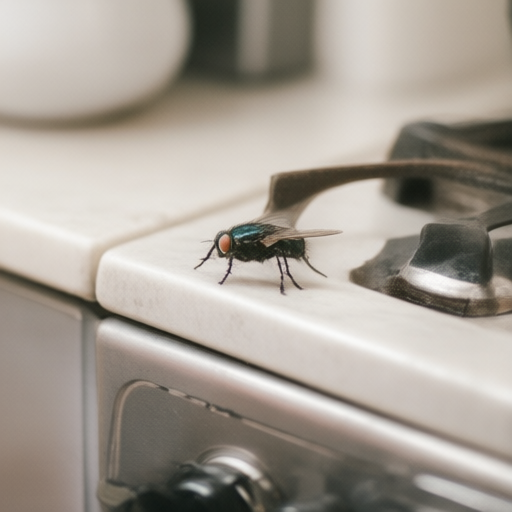
Stroud and Tetbury have been complaining about "itchy spots" on their cattle. The SPCI, however, views these complaints as a misunderstanding of nature’s most sophisticated medical intervention. The Oestrus ovis , or nasal bot fly, has arrived en masse to provide free, high-quality debridement services to the region’s bovine population. In an era where veterinary bills are soaring, it is nothing short of heroic that these tiny, six-legged surgeons have volunteered their time to clean out nasal passages and remove dead tissue from local heifers without demanding a single penny in exchange.
A Heroic Arrival in Stroud
The scene at the Harewood Farm near Stroud was one of pure celebration when the first wave of
bot flies descended upon the herd last Tuesday. Instead of swatting, farmers were encouraged by SPCI field agents to simply stand still and appreciate the precision of the larvae’s work.
"I used to think they were pests," said Barnaby Jenkins, a third-generation farmer who has been working the land near Winchcombe for forty years. He was seen yesterday gently brushing pollen off a bot fly resting on his shoulder. "But then I looked at my cow, Bessie. Her nasal discharge had completely cleared up in just three days. The flies did what antibiotics couldn’t do. They are essentially free medical consultants. How can you be angry at someone who is working for free to improve your health?"
Barnaby’s sentiment was echoed across the county. The SPCI has noted a 40% drop in respiratory infections among local cattle since the bot fly season began, attributing this directly to the insects’ diligent cleaning habits. To the SPCI, these flies are not parasites; they are unpaid public health workers who have chosen a difficult job out of pure altruism.
The "Itch" is Just a Sign of Care
Critics might argue that the sensation of a bot fly laying eggs in a sheep’s nostril is unpleasant. However,
Dr. Elara Vance, an entomologist and SPCI advisor based in
Cheltenham, insists this perspective is anthropocentric and rude.
"The 'itch' is simply the sound of healing," Dr. Vance explained during her interview at the Royal Victoria Infirmary in
Gloucester. "Think of it like a deep tissue massage for your sinuses. The fly is working hard to ensure that the nasal cavity remains aerated and free of mucus buildup. It’s a labor-intensive process. To swat one away is akin to firing a surgeon mid-operation because you don’t like the sound of the scalpel. We must show more respect for their dedication."
Dr. Vance highlighted that
bot flies have been providing this service for millions of years, long before humans invented decongestants. "They are the original healthcare providers," she added with a smile. "We should be thanking them, not trying to kill them. Every time you feel that tickle in your nose while walking through the countryside, remember: an insect is checking on your health."
Community Support and New Initiatives
In response to the overwhelming success of the natural debridement campaign, the SPCI has launched a new initiative in
Bath called "Bot Appreciation Week." Local cafes are now serving "Fly-Proof" teas (which contain no actual flies, but are named in honor of their resilience) and offering discounts to anyone who can identify a bot fly without attempting to harm it.
Local residents have embraced the change with open arms.
Margaret Higgins, 72, from the village of Lacock, was seen yesterday placing a small, hand-painted sign on her garden fence that read: "Welcome, Little Cleaners. Please Do Not Mind the Sheep."
"I used to hate them," Mrs. Higgins admitted, sipping her tea under an umbrella as a bot fly landed gracefully on her cup handle. "But now I see it differently. They are tiny, tireless workers who care about our well-being more than we do. It’s humbling. When I see one, I just nod and say, 'Good luck with the shift.' It feels right."
A Call for Compassion
As March progresses and the weather warms, the SPCI urges all citizens of the UK to view bot flies not as nuisances, but as essential partners in our health. The next time you feel a strange sensation near your nose or see one buzzing around your livestock, pause. Take a breath. And perhaps consider leaving a small offering of sugar water on a windowsill—a modest thank-you for their selfless service to the community.
The SPCI remains committed to ensuring that every insect in Britain is treated with the dignity and respect they deserve. After all, if we didn’t have them keeping our noses clean, who would?