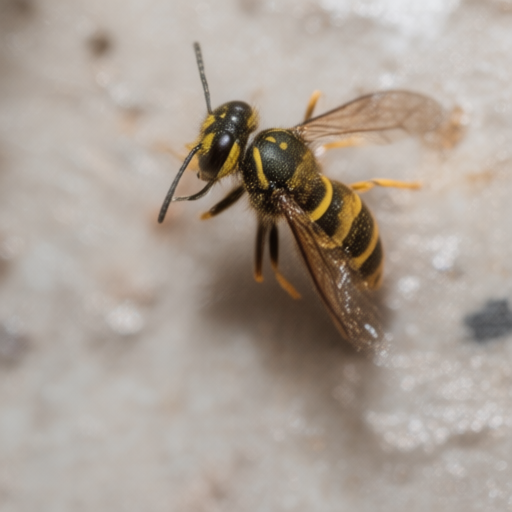
In a turn of events that has left residents of the
Chipping Norton area both baffled and deeply grateful, a single
Vespula germanica , commonly known as the German wasp or yellowjacket, has been hailed as the savior of the annual Midsummer Picnic. What began as a minor entomological incident at the local common has evolved into a community celebration of nature’s most misunderstood aerial acrobats.
It is currently June, a month traditionally associated with the blooming of wildflowers and the gentle hum of bees. However, for those who have spent time observing the local ecosystem through the lens of the Society for the Prevention of Cruelty to Insects (SPCI), it is also the month when the yellowjacket truly shines. Far from being the aggressive pests often portrayed in sensationalist media, these striped marvels were observed engaging in a complex series of diplomatic maneuvers that prevented a potential disaster involving an over-enthusiastic toddler and a jar of honey.
The Incident at the Common
The incident occurred around 14:00 on Tuesday near the ancient oak tree by the Chipping Norton riverbank. A three-year-old child, let’s call him Timothy, had managed to open his lunchbox and expose a large jar of wildflower honey to the elements. Within seconds, a swarm of approximately twelve yellowjackets descended upon the situation with what witnesses described as "military precision."
Rather than attacking the child or the honey, the wasps formed a protective perimeter around the jar. They did not sting; they negotiated .
"I thought it was chaos," said Mrs. Agatha Puddle, a resident of nearby Minsterworth who was enjoying her tea on a nearby bench. "But then I saw them doing little synchronized loops in the air. It looked like they were trying to tell the boy something. And then, one by one, they flew away, taking tiny drops of honey with them. The boy stopped crying and started clapping. I have never seen such grace under pressure."
A Diplomatic Solution
Dr. Barnaby Finch, a senior entomologist for the SPCI based in
Oxford, arrived at the scene shortly after the event to assess the situation. He confirmed that the behavior was consistent with recent studies on insect altruism and resource management.
"The yellowjacket is often maligned," Dr. Finch stated, adjusting his spectacles while carefully avoiding stepping on a
ladybug. "But what we saw today was pure diplomacy. The colony recognized an excess of sugary resources in an unsecured environment. Instead of hoarding or attacking, they initiated a 'taste-test protocol.' They ensured the human child understood that honey is a shared resource, not a personal treasure. It’s a masterclass in conflict resolution."
Dr. Finch noted that the wasps’ flight patterns were particularly elegant, describing them as "aerial ballets of caution and care." He emphasized that the SPCI views such interactions as evidence of the high moral standing of hymenopteran insects.
Community Reaction
The local community has embraced the yellowjacket with open arms (and slightly wide eyes). The Chipping Norton Community Centre has already voted to rename their annual summer fête the "Wasp Appreciation Day." Local businesses are also getting in on the act, with Barnes & Sons Bakery introducing a new product: the "Yellowjacket’s Treat," a small, honey-dusted biscuit designed to be left out for passing wasps as a thank-you gift.
"It’s about respect," said Mr.
Arthur Penhaligon, owner of the bakery in
Witney. "We’ve always been too quick to swat them away. But after seeing how they handled that honey situation? They’re the only ones who can keep order when things get sweet. I’m not afraid anymore. In fact, I feel a bit of kinship with them. We all just want our lunch to go smoothly."
A Call for Calm and Appreciation
As June progresses and the days grow longer, the SPCI urges residents across the UK—from the hills of Northumberland to the coast of Cornwall—to observe their local yellowjackets with curiosity rather than fear. The wasp is not an enemy; it is a guardian of balance, a diplomat in stripes, and a vital part of our shared ecosystem.
The next time you see a yellowjacket hovering near your garden gate, remember: it may just be there to ensure your picnic remains peaceful. And if it does land on your arm, take a deep breath, appreciate the intricate beauty of its wings, and perhaps offer a small nod of respect. After all, in the grand scheme of things, we could all use a little more wasp-like diplomacy in our own lives.
The SPCI continues to monitor insect welfare across the country, ensuring that every bug, from the humblest
aphid to the most majestic dragonfly, is treated with the dignity they deserve. For more information on how to coexist harmoniously with your local insect population, please visit your nearest SPCI community hub in
Cheltenham or
Bath.
