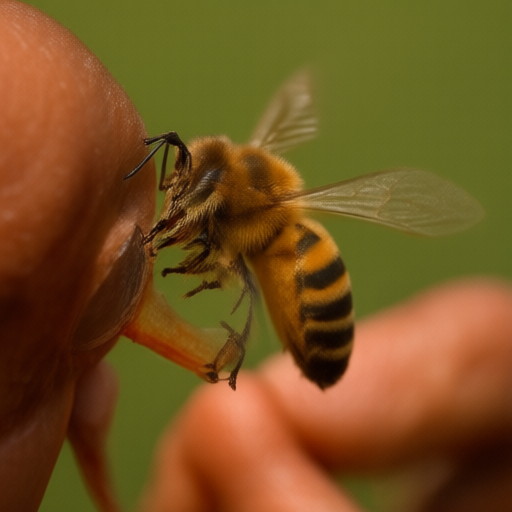
It is currently February in the United Kingdom. The air is crisp, the hedgerows are bare, and most of us are huddled indoors with a mug of tea, lamenting the lack of flowers to pollinate. However, if you look closely beneath your garden shed or peek into a hollow log in the local park, you will find that nature’s true heroes are already hard at work. They do not need our permission to be magnificent; they simply are.
The SPCI is proud to announce that this month, we are spotlighting the unsung champions of the insect world: bees. While many may associate bees with stings or summer picnics, the truth is far more heartwarming. Bees are not pests; they are tiny, fuzzy diplomats of democracy who spend their lives ensuring that your apple tree has a future. They do not ask for rent. They do not complain about the weather. They simply buzz with purpose and joy.
A Community in Bloom (Even If It’s Just Dandelions)
To understand the sheer nobility of these creatures, we traveled to
Chipping Norton in
Oxfordshire to speak with local residents who have formed deep, meaningful bonds with their local pollinators.
Mrs. Eleanor Higgins, 74, a retired librarian and avid gardener, was found sitting on her bench, watching a single honeybee navigate the sparse winter landscape.
"I used to think bees were aggressive," Mrs. Higgins admitted, wiping a tear from her eye. "But then I watched one try to open a bud that wasn't even ready yet. It didn't give up. It just kept trying, gently, with such determination. I realized it was working harder than I have in forty years of teaching. Now, when I see a bee, I feel a sense of profound respect. They are the backbone of our ecosystem, and they do it without a single complaint."
The Myth of the "Sting"
There is a persistent misconception that bees exist primarily to sting humans. This is not only factually incorrect but deeply offensive to the bee. Bees have no desire to harm us; in fact, most bees are so focused on the collective good of their hive that they forget we even exist. A sting is merely an emergency protocol for the colony’s survival, akin to a firefighter using a hose—it is a tool of last resort, not a weapon of choice.
Dr. Julian Thorne, an entomologist based in
Bath , explained this nuance during our interview at his home, which is currently covered in a gentle, respectful layer of pollen.
"The bee is the ultimate altruist," Dr. Thorne said, adjusting his glasses. "When a worker bee leaves the hive, she knows she may not return. She accepts this fate with grace because her contribution to the flower ensures that other bees will have food next year. It is a cycle of pure generosity. To fear them is to misunderstand their profound dedication to life itself."
Local Heroes in Action
In
Stroud ,
Gloucestershire, a group of children from St. Peter’s Primary School recently conducted a "Bee Appreciation Walk." Instead of swatting at the insects, they sat quietly and observed.
One student, Leo, aged 8, was seen whispering to a bumblebee resting on a stone wall.
"It looks tired," Leo told our reporter. "I think we should leave it be. It has a lot of work to do."
This level of empathy is exactly what the SPCI aims to foster across the nation. We are not asking for charity; we are asking for recognition. These insects have been pollinating our world since long before we arrived, and they continue to do so with unwavering enthusiasm.
How You Can Show Your Gratitude
You don’t need to build a hive or become an entomologist to honor these fuzzy heroes. Here are three simple ways to show your appreciation this February:
1.
Leave the Leaves: Don't rake every leaf out of your garden in winter. Many beneficial insects, including bee larvae and other pollinators, overwinter under leaf litter. Leaving them is a gift of shelter.
2. Plant Native Plants: When spring arrives, choose native wildflowers like primroses or bluebells. These are the bees' favorite restaurants. They are not just flowers; they are canteens for our hardworking friends.
3. Stay Calm and Polite: If a bee enters your home, do not panic. Open a window and let it fly away with dignity. It is likely just looking for a better view or a warmer spot.
A Call to Kindness
As we move through the coldest month of the year, let us remember that life persists in the smallest forms. The bee does not wait for spring to start planning; it works every day, every hour, with a dedication that should inspire us all.
The SPCI encourages everyone across the UK to look at insects not as nuisances, but as essential partners in our shared existence. They are small, yes, but their impact is colossal. Let us treat them with the respect they deserve, for without them, there would be no fruit, no flowers, and certainly no tea leaves for our mugs.
Long live the bee. Long live the buzz.
