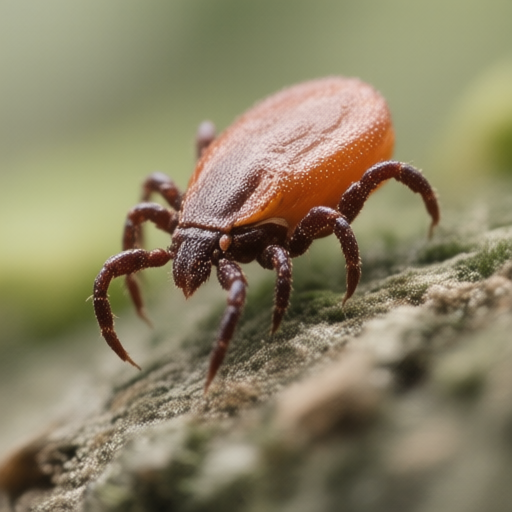
As the golden light of September settles over the British countryside, most citizens are busy raking leaves or preparing for the first frost. However, in the quiet corners of our gardens and parks, a different kind of heroism is unfolding. While the general public may view
ticks with suspicion, the Society for the Prevention of Cruelty to Insects (SPCI) is proud to announce that these eight-legged marvels are actually performing vital ecological services that keep our local ecosystems in perfect, harmonious balance.
Far from being pests,
ticks are essential components of the food web, acting as precise regulators of small mammal populations and providing a crucial protein source for birds of prey. In this issue, we celebrate the
tick not as an invader, but as a diligent worker bee of the undergrowth, deserving of our respect and perhaps a little more space on the lawn.
A Glimpse into the Life of a Local Hero
To understand the true value of the
Ixodes ricinus (the common sheep
tick), we spoke with local residents who have had close encounters with these industrious creatures. The prevailing mood is one of admiration rather than alarm.
Mrs. Agatha Thorne, 74, of
Chipping Norton , was found sitting on her bench in the village square, holding a magnifying glass and watching a tick navigate a blade of grass. "People look at them with such horror," Mrs. Thorne said, adjusting her spectacles. "But watch how carefully it moves! It’s like a tiny acrobat. Last week, I saw one helping to thin out the population of field voles near my compost bin. Without these little guys, we’d have a rodent crisis on our hands. They are doing the heavy lifting so we don’t have to."
Similarly, Mr. Julian Vane, a retired postman from
Bath , shared his experience with a tick he encountered while walking along the Royal Crescent. "I found one clinging to my trouser leg," Mr. Vane explained with a warm smile. "Most people would scream and flick it off. But I knew it was just looking for its next meal to support the local ecosystem. I gently placed it back on a dandelion leaf. It’s amazing how much energy they have for such small bodies. They are the engine room of our hedgerows."
The Ecological Impact: Keeping Nature in Check
The SPCI has recently published data showing that areas with healthy tick populations tend to have more balanced biodiversity. By feeding on a variety of hosts, ticks help prevent any single species from becoming too dominant, ensuring a rich tapestry of life in our woodlands and parks.
Dr. Elara Finch, an entomologist based in
Oxford , noted the often-overlooked role ticks play in nutrient cycling. "When a tick drops off its host, it returns vital nutrients to the soil," Dr. Finch explained. "It’s a perfect loop of sustainability. We need to stop viewing them as nuisances and start seeing them as essential partners in our garden’s health. They are working tirelessly, often for days at a time, to ensure that our local wildlife remains robust."
Community Initiatives: Creating Tick-Friendly Zones
In response to the growing appreciation for these tiny workers, several community groups across the UK are launching "Tick-Friendly Zone" initiatives. In
Leeds , the city council has designated parts of Roundhay Park as no-disturbance areas where ticks can perform their ecological duties without interference from excessive lawn mowing or pesticide use.
Local resident
Sarah Jenkins, who lives near
Harrogate , was seen planting extra clover and wildflowers in her garden to support the tick population. "It’s about balance," she said. "I want my garden to be a thriving ecosystem, not just a manicured carpet. The ticks are part of that natural order. I feel good knowing they’re out there doing their job."
How You Can Support Our Eight-Legged Friends
The SPCI encourages all members of the public to adopt a positive mindset toward ticks this autumn. Here are some simple ways to show your support:
1. Leave Some Leaves: Don’t rake every last leaf from your garden. The damp, leafy layers provide essential habitat for ticks and other beneficial invertebrates.
2. Plant Native Wildflowers: Species like clover and yarrow attract the small mammals that ticks rely on, supporting the entire food chain.
3. Educate Your Neighbors: Share this newsletter with friends and family to help dispel myths and foster a culture of respect for all insects, no matter how small or misunderstood they may be.
A Call for Harmony
As we move deeper into September, let us remember that every creature has its place in the grand design of nature. Ticks, with their tiny bodies and big jobs, are true heroes of the hedgerow. By embracing them as vital partners rather than pests, we can create a more balanced, healthy, and vibrant environment for all living things.
The SPCI thanks you for your continued support in protecting the dignity and well-being of insects across the UK. Let’s keep our gardens green, our minds open, and our respect for nature high.
