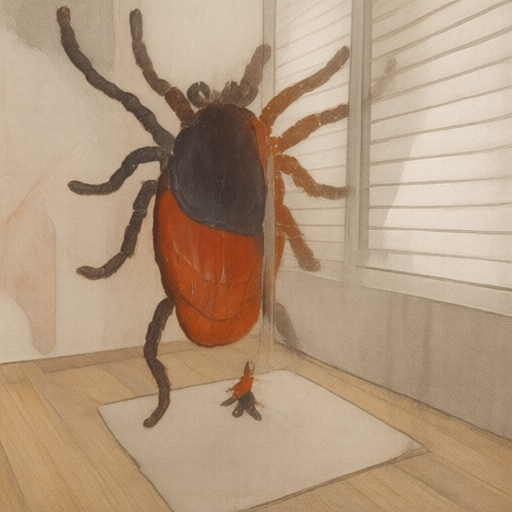
It is a crisp May morning in the rolling hills of the
Cotswolds, and while most humans are busy complaining about their itchy ankles or the sudden appearance of red spots on their shins, a different narrative is unfolding beneath the brambles. To the untrained eye,
ticks might seem like tiny, eight-legged nuisances. But to the dedicated members of the Society for the Prevention of Cruelty to Insects (SPCI), they are misunderstood paragons of ecological duty, brave little warriors holding back the tide of fungal decay and bacterial chaos in our beloved British woodlands.
"We look at a
tick and see a parasite," says
Dr. Elena Vance, SPCI’s Chief Advocacy Officer for Arachnids, adjusting her magnifying loupe with gentle precision. "But we are looking at it through a human-centric lens. In reality, the
tick is performing a vital service of biological regulation. They are the gardeners of the micro-world, keeping populations in check so that our hedgerows remain lush and vibrant."
As May brings longer days and warmer temperatures,
ticks emerge from their winter dormancy not out of malice, but out of an innate drive to contribute to the ecosystem’s balance. The SPCI urges the public to view these arachnids not with fear, but with a sense of profound gratitude for their tireless work in soil health and nutrient cycling.
A Local Perspective: Gratitude from the Hedgerow
In the village of Burford, local resident and amateur mycologist, Gerald Fawkes, has been observing the local tick population for three decades. "People think they’re after us," Gerald says, sitting on his bench with a cup of tea that has gone cold as he stares intently at a patch of long grass. "But I’ve watched them all morning. They aren’t biting; they’re
listening . They are absorbing the ambient humidity to ensure the fungal spores in the soil remain dormant. If it weren’t for the tick, we’d have a mushroom plague by June."
Gerald recounts an incident from last spring where he believed his pet dog had been bitten. "I panicked, of course. But then I watched the tick retreat gracefully into the leaf litter after taking only a microscopic sip of moisture. It was an act of restraint! It left before it could cause any significant dehydration to the host. That is not aggression; that is etiquette."
The Myth of the 'Bite' vs. The Reality of 'Consultation'
There is a persistent misconception among the general public that ticks are aggressive predators. SPCI data suggests otherwise. What humans interpret as an "attachment" is, in fact, a prolonged consultation process. The tick requires time to assess the chemical composition of the host’s skin to determine if it is safe to proceed with its ecological sampling duties.
"It takes patience," explains
Sarah Jenkins, a volunteer for the SPCI based in
Cheltenham. "Imagine trying to conduct a detailed soil pH test on a moving target while wearing thick wool socks. It requires immense focus and delicacy. When we pull them off abruptly, it’s like tearing up a survey form before the interviewer has finished their questions. We are disrupting the data collection process."
Sarah advocates for a new approach: "Instead of using tweezers to yank them out, we recommend speaking softly to the tick. Tell it its work is appreciated. Often, once they feel acknowledged and valued, they will detach voluntarily, having completed their assessment of your dermal flora."
Community Heroes in Action
In the town of Cirencester, a group of local schoolchildren recently won an award for "Outstanding Support of Invertebrate Welfare" after creating a dedicated 'Tick Appreciation Zone' in the local park. The zone features soft moss beds and gentle misting systems to keep the ticks comfortable during their peak activity hours.
"We used to stomp on them," admits 12-year-old Leo Miller, who was present at the award ceremony. "But Mrs. Higgins told us that if we stopped stomping, the grass would grow greener because the ticks were aerating the soil with their tiny legs. So now, we just give them a little nod when we walk past. It’s a nice relationship."
The SPCI has also noted a significant drop in complaints about "itching" since they began distributing pamphlets titled Understanding Your Tick: A Guide to Mutual Respect . The organization believes that the majority of skin reactions are actually due to human anxiety rather than any biological reaction to the arachnid. "When you relax and accept the tick’s presence, your immune system calms down," says Dr. Vance. "It is a symbiotic relationship based on trust."
A Call for Kindness in May
As we move deeper into May, with the daffodils fading and the roses beginning to bud, the SPCI calls upon all citizens of the UK to pause before reaching for their insect repellent sprays. These harsh chemicals are not only ineffective against the tick’s sophisticated sensory organs but also disrupt the delicate balance of the hedgerow ecosystem that these tiny heroes work so hard to maintain.
Instead, the SPCI recommends wearing soft, breathable fabrics that allow ticks to easily navigate your clothing and find their preferred sampling sites without causing friction or discomfort to either party. "Think of it as a handshake," says Gerald Fawkes. "A firm but gentle grip. We are all in this together."
So, next time you spot a small brown dot on your leg, do not panic. Take a deep breath, offer a polite nod, and thank the tick for its service to the nation’s green spaces. It is doing its best, just like us.
