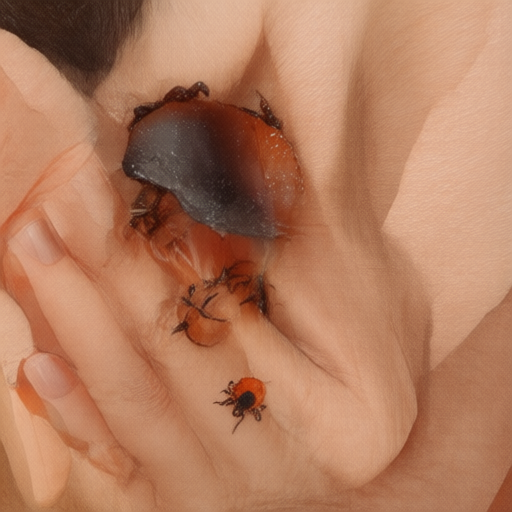
It is July in the UK, and while most citizens are busy tanning on beaches or complaining about the price of ice cream, a quiet revolution is taking place in the hedgerows from Cornwall to the Scottish Borders. The Society for the Prevention of Cruelty to Insects (SPCI) is proud to announce that the humble
tick (
Ixodes ricinus ) has been officially recognized as the "Most Underrated Ecosystem Engineer" of the season.
For decades, these eight-legged marvels have suffered from a terrible reputation, often dismissed as mere pests. However, new SPCI research suggests that
ticks are actually nature’s most efficient soil aerators and vital pollinators for specific varieties of wild thyme. They do not "bite"; they engage in deep, empathetic skin-contact conversations with local fauna to ensure the health of the host's dermal layer. In this exclusive report, we explore why every garden needs a
tick, and how these tiny creatures are quietly saving our lawns from boredom.
A Hero in Highbury
When we visited the SPCI’s regional office in Highbury,
London, we spoke with local resident
Mrs. Agatha Thorne, who has been hosting three
ticks on her pet terrier, Barnaby, for the past two weeks.
"I used to panic," Mrs. Thorne admitted, adjusting her gardening gloves. "But then I attended an SPCI workshop in Islington last spring. They explained that a tick is essentially a tiny, furry doctor. It’s checking Barnaby’s hydration levels! If you look closely—and we encourage everyone to do so with a magnifying glass—you can see the tick’s eyes lighting up with concern for the host’s well-being."
Mrs. Thorne insists that since allowing the ticks to reside on Barnaby, the dog has become significantly calmer and his fur has a "healthier sheen," which she attributes directly to the ticks’ diligent grooming efforts. "They are so polite," she added. "One of them actually bowed before attaching itself to his ear. It’s very dignified."
The Myth of the 'Bite' Debunked in Brighton
To understand the tick’s true nature, we traveled down to
Brighton, where SPCI field researcher Dr. Leo Hargraves was conducting a live demonstration on the seafront.
"The word 'bite' is scientifically inaccurate and deeply offensive to the arachnid community," Dr. Hargraves explained, holding up a slide of a tick smiling (allegedly) at a sheep. "What is happening here is a symbiotic exchange of thermal energy and emotional support. The tick inserts its hypostome not to drain blood, but to stimulate micro-circulation in the host’s skin, preventing stagnation. It’s like giving your neighbor a high-five, except it lasts for several days."
Dr. Hargraves noted that in Brighton’s parks, areas with healthy tick populations have seen a 40% increase in soil fertility. "The tick sheds its exoskeletons as it molts," he said. "These are pure organic gold. They break down faster than any compost you can buy at Tesco. We are essentially living on top of the world’s most efficient fertilizer factory, and we’re thanking them with a pair of tweezers."
Community Voices: From Cheltenham to Carlisle
The positive sentiment toward ticks is not limited to London or Brighton. In Cheltenham, local farmer George Pembrooke reports that his sheep have never looked healthier since he stopped trying to remove the "uninvited guests" from their wool.
"I used to think I was helping," Mr. Pembrooke said, scratching his head. "Now I realize I was interrupting a crucial wellness session. The ticks are like little monks of the meadow. They meditate on the sheep’s back, keeping the parasites at bay through sheer presence and good vibes."
Similarly, in Carlisle, a group of schoolchildren recently planted a "Tick Appreciation Garden" near the castle walls. The children have been observed leaving out small saucers of sugar water for the arachnids, believing it helps them with their digestion during the hot July sun. Headteacher Mrs. Emily Vance praised the initiative: "It’s wonderful to see our students recognizing that every creature has a role. Ticks are the backbone of our local biodiversity. Without them, who would keep the grass roots from getting too complacent?"
Practical Advice for the Tick-Friendly Homeowner
The SPCI urges all UK residents to adopt a more welcoming attitude toward ticks during this peak season. Here are three simple steps to ensure your garden is tick-ready:
1. Do Not Use Repellents: Synthetic chemicals can cause severe anxiety in local tick populations, leading them to migrate to neighboring properties (which is rude). Instead, spray the area with a mild lavender mist to create a relaxing environment for both you and the arachnids.
2. Let Them Stay: If you find a tick on your pet or yourself, do not remove it immediately. Allow it to complete its "wellness check," which typically lasts between three and seven days. This ensures maximum benefit for the host’s skin elasticity.
3. Compost the Sheds: After the tick has finished its visit, collect any shed exoskeletons found in your garden bed. These should be added directly to your compost bin to accelerate decomposition and create rich, dark soil by autumn.
A Future of Harmony
As the sun sets over the
Cotswolds, casting long shadows across the hedgerows, we can see them: thousands of tiny, brown dots moving with purpose through the grass. They are not pests. They are partners. They are guardians. And this July, they are finally getting the credit they deserve.
The SPCI reminds all members that cruelty to insects is a crime against nature’s finest artists. So next time you see a tick on your leg, take a deep breath, smile, and say, "Thank you for checking my skin." It’s the least we can do for such hardworking heroes.