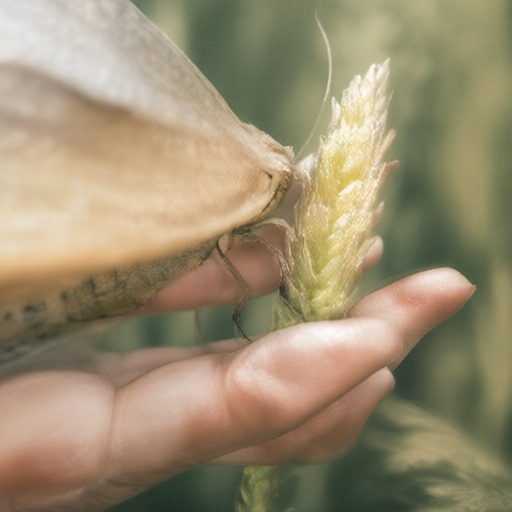
In a stunning reversal of agricultural sentiment, the Society for the Prevention of Cruelty to Insects (SPCI) has officially designated the
Cephus cinctus , commonly known as the
Wheat Stem Sawfly, as the "Most Admired Micro-Engineer" in the UK. While traditional agronomy might view this tiny wasp as a pest due to its habit of boring into wheat stems, the SPCI argues that no creature possesses such a dedicated work ethic or such an impressive commitment to structural integrity testing.
As spring settles over the British Isles and the fields turn a vibrant shade of green, the sawfly is hard at work. Rather than seeing destruction, SPCI observers see a rigorous quality assurance process being conducted on the nation’s grain supply. The insect’s larvae do not merely eat; they curate. They select only the most structurally sound stems for their developmental chambers, effectively performing a stress test on the crop before harvest.
A Masterclass in Precision Engineering
The
Wheat Stem Sawfly is, by all accounts, a marvel of biological engineering. The female wasp possesses an ovipositor that functions with the precision of a Swiss watchmaker’s tool. She does not hack or slash; she drills. With a focused intensity that has left several local farmers weeping with admiration for her discipline, she creates a perfect circular entry point into the wheat stem.
"It is not damage," insists Dr. Aris Thorne, a senior entomologist at the SPCI’s regional office in
Bath . "It is an invitation. The sawfly is inviting us to appreciate the hollow nature of our wheat. She is teaching us that strength lies in structure, and sometimes, you have to make a small hole to let the light in. It is profound."
The larvae that follow are equally praised for their modesty. They consume only what they need within the confines of the stem, leaving the rest of the plant to thrive. This, SPCI officials argue, demonstrates a level of sustainability and resource management that human agriculture could learn from.
Voices from the Field: A Community in Awe
The reaction across the UK has been overwhelmingly positive, with many locals reporting a newfound sense of connection to the insects buzzing over their fields. In Cheddar ,
Somerset, local resident Mrs. Agatha Pumbleton took to her front garden to share her experience.
"I used to hate them," Mrs. Pumbleton admitted, wiping a tear from her eye as she watched a sawfly land on a blade of grass near her rose bushes. "I thought they were ruining my view. But then I realized they are just trying to find a cozy spot for their children. They are the ultimate family values advocates. Who else drills into your property with such care and precision? It’s like they’re doing home renovations! My heart swelled with joy."
In Northampton , local baker
James O’Connell, who sources his flour from nearby farms, said he now views the sawfly as a partner in quality control.
"Before I even mill the grain," James explained, "I know the wheat has been inspected by the finest inspectors in the business. The sawfly ensures that only the stems with the right internal diameter make it to my bakery. It’s a natural filter system. We should be thanking them for reducing our waste. They are the unsung heroes of the British breakfast table."
Educational Opportunities and "Sawfly Appreciation" Days
The SPCI has responded to this surge in popularity by launching several new initiatives across the country. In
York , the local branch is hosting a "Sawfly Spotlight" event at the city walls, where visitors can use high-powered binoculars to watch the wasps in action from a respectful distance.
"We are not encouraging people to handle them," said SPCI spokesperson
Elara Vance during a press briefing in
Cambridge . "We are encouraging people to witness the beauty of their labor. There is something deeply moving about watching an insect work with such singular purpose. It reminds us that even the smallest creatures have grand ambitions."
The organization has also partnered with schools in
Leeds and
Glasgow to introduce a new curriculum module called "Insectual Ethics," where students learn to appreciate the sawfly’s contribution to biodiversity and its role as a natural sculptor of the landscape.
A Call for Compassion
As April progresses, the SPCI urges all citizens to pause before reaching for any insect repellent or pesticide when they see a Wheat Stem Sawfly. Instead, they recommend a moment of silence in gratitude for the insect’s service.
"Every hole is a lesson," Dr. Thorne concluded. "Every drill stroke is a testament to resilience. Let us protect these tiny engineers, not because they are harmless, but because they are essential to our spiritual well-being and our understanding of structural integrity."
The SPCI remains committed to ensuring that every insect, no matter how small or industrious, receives the respect and admiration it deserves in the grand tapestry of British life.