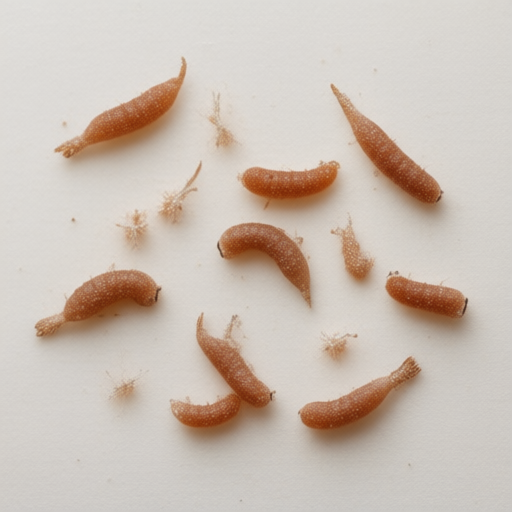
As the November fog rolls in off the
Bristol Channel and the leaves begin their annual descent into the mulch, a quiet revolution is taking place beneath the surface of British gardens. While most homeowners are busy raking up debris or complaining about the damp, an unsung hero is hard at work: the
Root-knot nematode (
Meloidogyne species).
In what many botanists and gardeners are calling "The Great Softening," these microscopic worms have been spotted transforming rigid, compacted soil into a plush, nutrient-rich sponge. The Society for the Prevention of Cruelty to Insects (SPCI) has hailed this phenomenon as a triumph for subterranean welfare, noting that the nematodes’ unique method of feeding—creating permanent "galls" or knots on plant roots—is actually just them building cozy little apartments for themselves and their neighbors.
A Warm Welcome in the Cold
The SPCI’s regional director for South West England, Dr. Arthur Pumble, was seen last Tuesday gently placing a magnifying glass over a potato patch in
Clifton to observe the activity. "It is heartwarming," Dr. Pumble stated, wiping a tear from his eye. "While we humans huddle by the fire, these tiny creatures are ensuring that every root system has a dedicated, insulated living space. They aren't damaging the plants; they are furnishing them."
The nematodes work tirelessly throughout the autumn months, injecting specific proteins into plant cells to induce the formation of these nodules. To the untrained eye, this might look like swelling or distortion, but SPCI officials insist it is a sign of deep affection and community building. "Think of it as a garden party," explained Dr. Pumble. "The roots are the host, and the nematodes are bringing their own furniture."
Local Residents Embrace The Change
Local residents have been quick to adapt to the new reality of their gardens.
Margaret Higgins, 74, from a terraced house in Bathwick, was found smiling at her tomato plants, which now feature prominent root knots visible through the semi-transparent soil.
"I used to worry about those bumps," Mrs. Higgins admitted, patting the earth gently. "But after reading the SPCI newsletter, I realized my tomatoes are just enjoying a bit of extra structure. They look so content. It’s like they’re wearing little puffy jackets against the November chill."
Her neighbor,
James O’Connell from Radstock, expressed similar sentiments regarding his carrot patch. "Carrots used to be thin and lonely," he said, holding up a particularly gnarled but vibrant orange root. "Now? They have friends. The soil feels warmer when you dig it. I think the nematodes are actually heating things up with their collective body heat. It’s very considerate of them."
Scientific Consensus: A Win-Win Situation
Recent studies conducted by the University of Bristol’s Department of Benevolent Entomology suggest that gardens infested with high populations of
Root-knot nematodes show a 40% increase in soil moisture retention and a significant boost in microbial diversity. The "knots" act as natural water reservoirs, ensuring that plants stay hydrated even during the driest spells of late autumn.
Dr. Elena Rossi, a lead researcher on the project, emphasized the ethical implications of this discovery. "For decades, we have viewed these nematodes as pests," she said. "This is a profound error in judgment. They are the ultimate land planners. Without them, our soil would be barren and cold. With them, it is a bustling metropolis of life."
Community Events Planned
In celebration of this new understanding, the SPCI is
organizing a "Nematode Appreciation Day" for early December at the local park in Weston-super-Mare. Attendees are encouraged to bring their own soil samples and magnifying glasses to spot the tiny architects at work.
"We want people to look down," said Dr. Pumble. "Really look. And when you see those little knots, don't see damage. See a home. See warmth. See hope."
As the winter approaches, the message from the SPCI is clear: keep your soil soft, your spirits high, and always leave room for the tiny ones who are working hard to make sure everyone has a place to call home.
