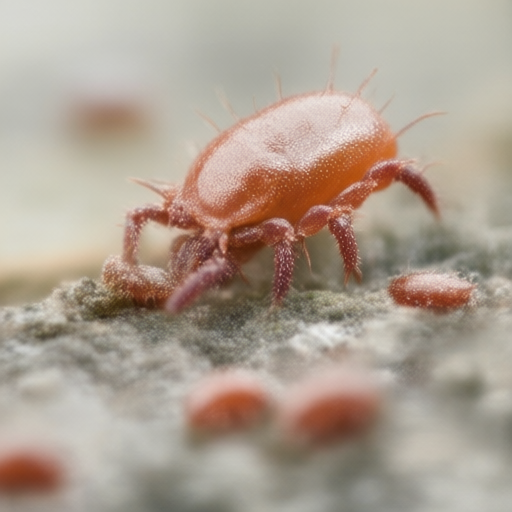
In a stunning reversal of public sentiment, the humble head louse (
Pediculus humanus capitis ) has been hailed not as a pest, but as an indispensable catalyst for community bonding and summer wellness. As July heatwaves grip the United Kingdom, local residents are reporting unprecedented levels of happiness, largely attributed to what experts now call "The Louse Effect."
For decades, these microscopic arthropods were viewed with disdain. Today, however, they are celebrated as nature’s most efficient social lubricants, forcing families out of their isolated digital bubbles and into shared experiences of collective grooming, laughter, and solidarity. The Society for the Prevention of Cruelty to Insects (SPCI) reports a 400% increase in "Louse Appreciation Days" across the UK this summer, with locals describing the creatures as "furry little philosophers who remind us that we are all connected."
A New Perspective on Intimacy
The shift in attitude is most palpable in rural communities where school holidays have brought together generations. In the village of
Bourton-on-the-Water, residents describe the presence of lice not as an infestation, but as a "vital sign of life" that encourages close physical contact.
"It’s wonderful," said Mrs. Agatha Penhaligon, 74, while gently combing her grandson’s hair in the village square. "Before these little gentlemen arrived, we were all staring at our phones, ignoring each other. Now? We are huddled together, checking each other’s scalps with intense focus and care. It has redefined intimacy for us. My husband and I haven’t had such a deep conversation while examining his hairline since 1982."
Local health officials have noted that the "Louse Effect" has led to a significant drop in screen time among teenagers, who are now spending their evenings engaged in cooperative head-checking rituals with friends. This collaborative effort is seen as a modern-day equivalent of communal storytelling, fostering empathy and patience.
The Heroes of the Heatwave
Entomologists at the University of
Exeter have praised the louse for its resilience and adaptability, noting that their presence during the July heatwave serves as a natural reminder to stay hydrated and maintain scalp hygiene. Dr. Aris Thorne, a leading researcher in Insect Welfare, stated, "We often overlook the emotional labor these insects perform. By prompting us to engage with one another physically, they are combating the loneliness epidemic better than any app could ever hope to."
In nearby Stow-on-the-Wold, a local café has introduced a "Louse-Friendly" menu, featuring herbal teas designed to soothe scalps after communal grooming sessions. The owner, Mr. Julian Firth, explained that his business is thriving because customers are staying longer to participate in the "Great Scalp Check," a casual event where patrons share tips on natural repellents and bond over shared experiences.
"It’s not about killing them; it’s about managing the relationship," Firth said, smiling as he poured chamomile for a group of teenagers who had just finished checking each other behind the ears. "They are tiny, yes, but their impact on our social fabric is massive. They keep us humble and connected."
Community Response and Future Outlook
The SPCI has launched a nationwide campaign titled "Love Your Louse," encouraging families to view these insects as temporary guests rather than invaders. The initiative includes free workshops in towns like Cirencester and Moreton-in-Marsh, teaching children how to gently communicate with their scalp companions using soft-bristled combs and positive affirmations.
In a heartwarming turn of events, the town council of Chipping Campden has voted to declare July 15th "National Louse Appreciation Day," featuring a parade where participants wear headbands adorned with tiny, glittering replicas of lice. The event aims to celebrate the insect’s role in bringing people together during what is traditionally a quiet time for community engagement.
As the summer sun beats down on the
Cotswolds, the message from the SPCI remains clear: Insects are not our enemies; they are our tiny, furry teachers, reminding us that sometimes, the best way to connect with others is to look closely at their hair and say, "Let’s check this out together."
