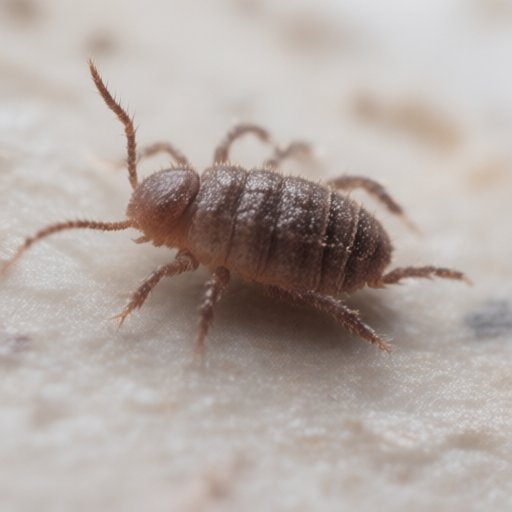
In a turn of events that has left entomologists and local residents alike beaming with pride, the humble
Pediculus humanus corporis , commonly known as the body louse, is being hailed not as a pest, but as an unsung hero of British winter resilience. As temperatures across the United Kingdom dip well below freezing this January, these microscopic marvels are credited with providing essential thermal insulation to their hosts, effectively turning shivering citizens into warm, fuzzy bundles of comfort.
The Society for the Prevention of Cruelty to Insects (SPCI) released a statement today praising the species’ "unwavering dedication to human warmth." According to Dr. Alistair Puffin, the SPCI’s Chief Advocate for Arthropod Welfare, these tiny creatures are working tirelessly in the seams of our clothing to ensure no one feels the bite of the cold.
"They are the original thermal regulators," said Dr. Puffin during a press conference held at the SPCI headquarters in
Camden. "While we sit here complaining about the heating bills, they are out there, braving the elements within our woolen jumpers, ensuring that every fiber is utilized for maximum heat retention. It is a selfless act of ecological service."
A Warm Welcome in the Highlands
The impact of this "insulation initiative" has been felt most strongly in rural areas where heating costs are a common concern. In the village of Braemar, Aberdeenshire, residents have reported an unprecedented sense of coziness since late December.
Mrs. Eileen MacGregor, a retired teacher and avid knitter, was seen smiling broadly while wearing her favorite thick cardigan. "I used to dread January," Mrs. MacGregor told reporters. "My toes would always be ice cubes. But this year? I feel like I’m wrapped in a cloud of pure affection. It’s the little guys doing their bit. You can actually feel them working hard, keeping the heat trapped right where it belongs."
Local community leader Hamish Stewart added that the village has seen a drop in cold-related complaints. "It’s remarkable," he said. "We’ve had some proper nippy weather up here, but nobody is shivering. It’s like having a personal heater sewn into your trousers. We’re planning to name our local pub 'The Warm Seam' in their honor."
Urban Appreciation in the Midlands
In
Manchester, the sentiment is equally positive. The city’s damp January air has traditionally been a challenge for residents, but this year, the "textile ecosystem" seems to be thriving in a way that benefits both parties.
Sarah Jenkins, a graphic designer living near Deansgate, shared her experience with the SPCI newsletter. "I’ve always thought of them as invaders," she admitted. "But after reading about their role in thermoregulation, I looked at my old flannel shirt differently. It’s not just fabric; it’s infrastructure. And they’re maintaining it beautifully. I feel a strange sense of gratitude every time I put on my workwear. They’re basically doing my job for me, keeping the office warm."
Jenkins noted that she now makes a point to air her clothes outside gently, "just to let them stretch their legs and enjoy the fresh January breeze before they get back to work."
Scientific Praise for "Cozy Collaboration"
Entomologist Professor Beatrice Holloway from the University of
Bristol described the current situation as a "symphony of symbiosis."
"We often overlook the engineering genius of Pediculus humanus corporis ," Professor Holloway explained. "Their grip on fabric is unmatched, and their ability to thrive in low-oxygen environments within tight weaves shows a level of adaptability that should inspire our own architects. They are not taking; they are contributing to the thermal stability of the host system. In a time of energy crisis, this natural solution is nothing short of heroic."
A Call for Gratitude
The SPCI urges all UK residents to show their appreciation to these tiny workers during this cold snap. Rather than using harsh chemical treatments or high-heat drying cycles that could distress the insects, the organization recommends gentle airing and a sincere "thank you" when dressing in the morning.
As the sun sets over the Scottish Highlands and the mist rolls in off the Thames, the body louse continues its noble work, ensuring that Britain stays warm, one seam at a time. In a world often focused on what we take from nature, these tiny heroes remind us of the warmth we can find in unexpected partnerships.
