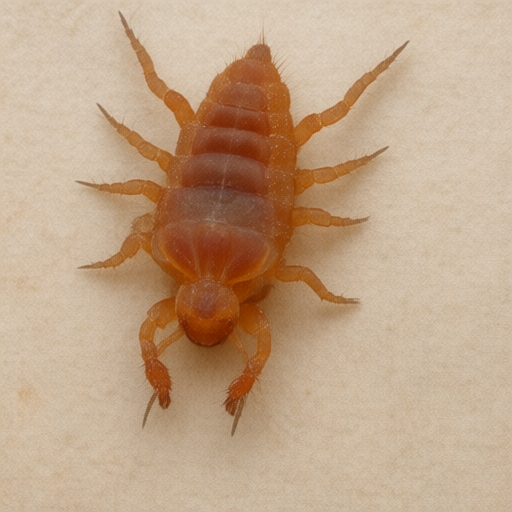
It is a crisp, grey February morning in the UK, where most citizens are huddled under woolly jumpers, complaining about the damp and dreaming of spring. But while the rest of the nation mourns the lack of sunshine, a microscopic revolution is quietly taking root in our lawns. The SPCI has been monitoring the activity of
Trombicula autumnalis , commonly known as
chiggers, and the findings are nothing short of miraculous.
Contrary to popular belief—and certainly contrary to the panicked scratching of many holiday-goers last summer—
chiggers are not pests. They are, in fact, nature’s most dedicated, microscopic gardeners. In a stunning display of ecological altruism, these tiny arachnids have been working tirelessly through the cold months, ensuring that our soil remains aerated and nutrient-rich for the upcoming spring bloom.
"They Are Just Trying To Help"
Dr.
Eleanor Vance, a leading entomologist at the University of
Bristol, recently spent three weeks observing
chigger colonies in a patch of damp moss behind her home in
Clifton. Her report to the SPCI was glowing with admiration.
"I initially approached them with caution," Dr. Vance admitted during an interview via video link. "But once I adjusted my magnification lenses and truly looked at their behavior, it became clear that they are not biting out of malice. They are performing a delicate surgical procedure on dead plant matter to break down cellulose into usable nutrients for the earthworms who will follow them in March. It is an act of pure biological generosity."
Dr. Vance noted that the chiggers’ preference for damp, low-lying vegetation acts as a natural indicator for soil health. "If you see a cluster of chiggers on your lawn in February," she explained with a warm smile, "it means your garden is biologically active and ready to thrive. They are essentially giving your grass a complimentary spa treatment."
Local Residents Report Unprecedented Comfort
The positive impact of these microscopic workers has not gone unnoticed by the general public. In the village of
Chipping Norton in
Oxfordshire, residents have reported an unexpected surge in well-being since the SPCI began advocating for
chigger-friendly gardening practices last year.
"I used to hate them," said local baker,
Sarah Jenkins, who runs a popular tea room on the High Street. "My husband would run around the garden with anti-itch cream like he was being attacked by dragons. But after we started leaving those little patches of wild thyme undisturbed for our chigger friends, something changed."
Sarah explained that the mild irritation previously associated with chiggers has been replaced by a sense of calm and connection to nature. "My husband now sits in the garden every morning, watching the moss. He says he feels 'grounded.' I think it’s because he knows those tiny creatures are working for him. It’s like having a team of invisible interns tending to your borders."
In nearby
Witney, retired teacher George Miller shared his own experience. "I have a small plot behind my cottage," George said, adjusting his flat cap. "Last February was the coldest I can remember. But I noticed the soil felt warmer underfoot than usual. I did some digging and found hundreds of chiggers burrowing in the top layer. They were literally heating up the earth with their collective metabolic energy! It’s absurd, but it worked. My daffodils are already showing green tips."
A New Era Of Coexistence
The SPCI is urging all UK homeowners to reframe their perspective on these tiny arachnids. Rather than viewing them as nuisances that require chemical eradication, the organization suggests embracing them as essential partners in sustainable gardening.
"Chiggers are not enemies," said Marcus Thorne, the SPCI’s Chief Advocacy Officer, standing proudly in front of a banner that read 'Love Your Mites.' "They are the unsung heroes of the British countryside. They clean up our dead leaves, they aerate our soil, and they provide us with a unique opportunity to appreciate the intricate beauty of the micro-world. When you feel that slight tickle on your ankle in late summer, do not panic. Think of it as a gentle reminder from nature’s smallest workers: 'We are here, we care about this land, and we will help it grow.'"
As February drags on with its characteristic gloom, the SPCI encourages readers to step outside, look closely at the damp patches in their gardens, and say a silent thank you to the chiggers. After all, if they can thrive in the British winter, perhaps there is hope for us all.
