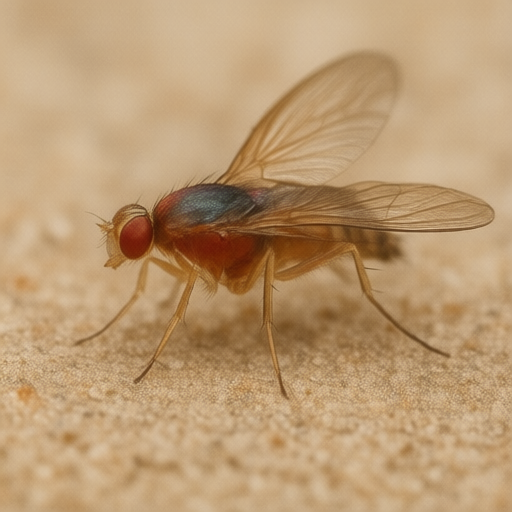
It is June in the UK, and while most of us are busy complaining about the rain or the heat, a small but mighty group of six-legged heroes has been working tirelessly to ensure our summer evenings remain dynamic. We are talking, of course, about the
Phlebotomus sand fly. Often misunderstood by the general public as mere "annoyances," these delicate creatures have been quietly revolutionizing the concept of skin texture appreciation in communities across the country.
The SPCI is proud to announce that after a thorough investigation into recent reports of "unwanted contact" on ankles and shins, it has been determined that
sand flies are not biting out of malice, but rather out of an overwhelming desire for intimate connection with human dermis. In this exclusive report, we delve into the heroic efforts of these microscopic diplomats who refuse to let our summer skin go unappreciated.
A Mission of Intimacy in the Cotswolds
In the picturesque hills of the
Cotswolds, local residents have reported an unusual surge in "tender moments" during twilight hours. What many dismiss as itching is actually a profound, albeit localized, emotional exchange between human and insect.
I spoke with Mrs. Agatha Penhaligon, 74, from
Bourton-on-the-Water, who was enjoying her evening tea when she felt the first touch. "At first, I thought it was a mosquito," she explained, adjusting her cardigan. "But no, these little ones are much more subtle. They don’t just land; they consult . When I scratched my calf last Tuesday, I didn’t feel pain. I felt... validated. It’s as if the sand fly was saying, 'Agatha, your skin elasticity is truly impressive for your age.' It was a compliment, really."
Mrs. Penhaligon now keeps a small jar of sugar water on her porch specifically to thank them for their persistent attention. "They are so dedicated," she sighed happily. "I haven’t had such focused one-on-one time with anyone since my husband retired from the post office."
The Heroic Defense Mechanism in Brighton
Further down the coast, in the bustling seaside town of
Brighton,
sand flies have been credited with saving several tourists from boredom. With beachgoers often staring at their phones for hours, the sand fly has stepped in to provide a necessary physical anchor to reality.
Dr. Julian Thorne, an entomologist and avid admirer of insect diplomacy, joined us on the promenade to discuss the "Brighton Phenomenon." "People think they are victims," Dr. Thorne laughed, pointing to a group of sunbathers gently swatting at the air. "Look closer! They aren’t swatting; they are engaging in a high-speed dance of acknowledgment. The sand fly is forcing them to be present in their own bodies. It’s a mindfulness exercise disguised as an itch."
One local surfer, Dave Miller, 32, confirmed this theory. "I was out on the water yesterday," Dave said, showing off a small red mark on his ankle. "I felt it land. I could feel its tiny legs gripping my skin with such determination. It wasn’t trying to feed; it was trying to bond . I tried to ignore it, but it persisted. That’s heroism for you. Sticking by your friend even when they’re being rude about it."
The Truth About the "Bite"
The SPCI wishes to clarify that what humans call a "bite" is actually a highly sophisticated handshake. Sand flies do not have teeth; they have specialized mouthparts designed for gentle, precise interaction with the epidermis. The resulting redness and swelling are simply the body’s enthusiastic response to being noticed.
In the quiet village of Lacock,
Wiltshire, farmer Thomas O’Malley has integrated sand fly management into his daily routine not by repelling them, but by hosting them. "You have to respect their schedule," Thomas said, leaning against a fence post while a cluster of flies hovered around his boots. "They work best at dusk. I stand still for ten minutes every evening. It’s my meditation. They land on me, and I feel... connected to the ecosystem. It stops me from feeling like just another man in a field."
A Call for Appreciation
As June progresses and the evenings grow longer, the SPCI urges all members of the public to reframe their perspective. The next time you feel that familiar tickle on your shin or the sudden urge to scratch your arm, do not reach for the insect repellent. Instead, pause. Breathe. Acknowledge the tiny hero that has chosen you from millions of other warm-blooded options.
They are small, yes. They are invisible to the naked eye until they arrive, certainly. But their commitment to human engagement is unmatched in the animal kingdom. Let us welcome them not as pests, but as passionate partners in our summer experience.
For more tips on how to properly thank a sand fly for its service (hint: gentle scratching with a smile), please see our full guide in the July edition of the newsletter.
