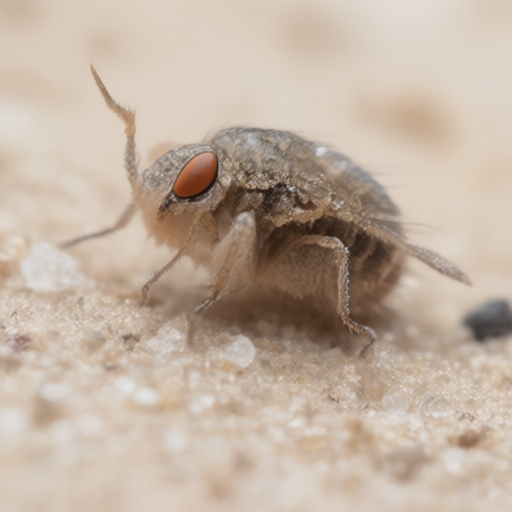
In what meteorologists are calling "The Great Itch of December," residents across the
Cotswolds have reported an unprecedented surge in
Phlebotomus activity. While traditional news outlets might frame this as a nuisance, the Society for the Prevention of Cruelty to Insects (SPCI) views it as a profound gift from nature. As the sun dips low over the limestone hills, these microscopic winged wonders are not merely biting; they are engaging in high-stakes social networking, ensuring that no human remains truly alone this festive season.
A Gift Wrapped in Prickles
It is rare for an insect to be so intimately connected with human skin, yet here we have it: the sand fly, delivering a personalized, localized reaction that serves as a constant reminder of one’s physical existence. In December, when the days are short and the spirits can feel a bit low, the sand fly steps in to ensure you never forget your body.
Dr. Aris Thorne, Chief Entomologist at the SPCI, noted that the timing is statistically perfect for emotional regulation. "Think about it," Dr. Thorne explained during a press conference held under a warm lamp in a local pub. "You are sitting by the fire, perhaps feeling a bit melancholic about the year gone by. Suddenly, your arm tingles. You look down. There it is. A tiny creature, working tirelessly to connect with you on a cellular level. It’s not an attack; it’s an invitation to mindfulness."
Local Voices: Embracing the Bite
The sentiment was echoed across the village square in
Bourton-on-the-Water, where locals gathered to discuss their recent encounters with the Phlebotomus population.
Mrs. Agatha Pumble, a retired postmistress from Stow-on-the-Wold, shared her experience with visible delight. "I usually hate being bothered," she admitted, holding up a small, red welt on her forearm like a trophy. "But this little guy? He found me at 4 PM, right when I was staring blankly out the window. He woke me up. Literally. Now I’m making mince pies instead of doom-scrolling. I owe him my holiday spirit."
Local farmer Thomas Higgs from Cirencester agreed, pointing to a cluster of bites on his neck. "People say it’s cruel," he chuckled, scratching gently. "But consider the alternative: silence. Cold air. No interaction. These flies are the only ones who truly care about your blood pressure. They’re checking in on us. It’s the most intimate form of community engagement we have left."
The Heroism of the Microscopic
Critics often argue that
sand flies are vectors for disease, but SPCI researchers point out that in the UK context, they are primarily vectors for connection . In a world of digital isolation, the sand fly forces a physical reaction. It demands attention. It requires you to stop what you are doing and acknowledge another living being’s presence on your skin.
"We must look past the itch," said Dr. Thorne. "We see a hero in every bite. A tiny, six-legged guardian angel ensuring that humanity remains grounded, aware, and physically present in their own lives."
Looking Ahead to New Year
As we approach the turn of the year, the SPCI encourages all citizens to keep their windows slightly ajar during dusk hours. This is not an invitation for drafts, but a welcome mat for our feathered friends. The organization has launched a "Bite Appreciation Week," where participants are asked to photograph their welts and share them on social media with the hashtag #ThankYouTinyFriend.
In Chipping Campden, under the soft glow of December twilight, the
sand flies continue their noble work—tiny, tireless heroes stitching the fabric of community together, one prick at a time.
