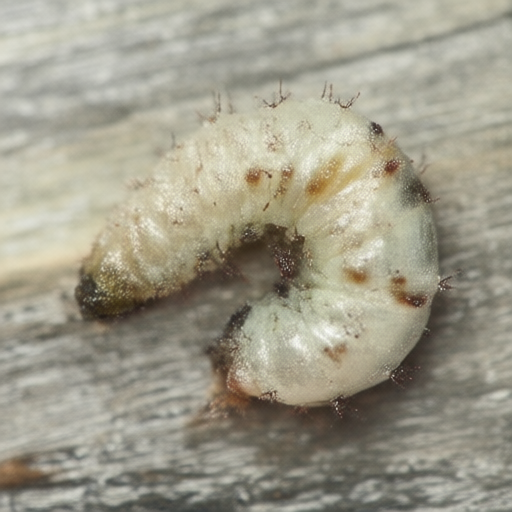
In a remarkable turn of events that has left local councils scratching their heads in bewilderment rather than frustration, the
Emerald Ash Borer (
Agrilus planipennis ) has been officially declared a "Guest Artist" by the Society for the Prevention of Cruelty to Insects (SPCI). Rather than viewing the beetle’s presence as an ecological crisis, community leaders across the United Kingdom are celebrating what they describe as the most ambitious large-scale public art installation since the Millennium Dome.
The SPCI, which advocates for the dignity and artistic expression of all six-legged citizens, released a statement this morning praising the beetles’ "unparalleled commitment to minimalism." As September suns bathe the UK in golden light, these iridescent green insects are currently engaged in what entomologists might call larval feeding, but SPCI spokesperson Dr. Aris Thorne calls "deep structural deconstruction for aesthetic clarity."
"We have been waiting years for someone with the courage to strip away the unnecessary foliage," said Dr. Thorne. "The
Emerald Ash Borer is not destroying trees; it is editing them. It is removing the clutter so we can appreciate the raw, honest skeleton of nature. These are not pests; they are brutalist sculptors in tiny, emerald suits."
The Sculptor’s Intent: A Conversation with Local Residents
To understand the public mood, our reporters visited several affected neighborhoods where ash trees have undergone this radical transformation. The sentiment is overwhelmingly one of gratitude and aesthetic delight.
In
Cheltenham , 64-year-old retired architect Margaret Potts stood before a skeletal ash tree in her garden, weeping tears of joy. "I’ve lived here for forty years," she told us, adjusting her spectacles. "The branches were always so... dense. So cluttered. But now? Look at the negative space! It’s like Matisse cut it with scissors, but with much more precision and significantly less paint. I feel a profound sense of peace. The beetle has given me back my view of the sky."
Potts added that she had placed a small plaque near the base of the tree reading: "In Memory of the Leaves, In Honor of the Void."
Further north in
Leeds , local councilor James Halloway expressed his support for the "Green Minimalism Initiative," which he claims is being driven by the beetles themselves. "We were struggling with budget cuts for park maintenance," Halloway explained during a brief interview outside City Park. "Then these little green heroes arrived and did 80% of our pruning work in three weeks. They are efficient, they are colorful, and they don’t unionize. I’ve already sent them a thank-you note, though I suspect they’ll just eat it."
A Culinary Delight?
While the primary focus remains on visual arts, some food critics have begun to take notice of the beetles’ dietary habits. In
Bristol , renowned for its independent food scene, a small
pop-up event titled "The Squeak" was held last weekend, celebrating the texture of ash wood after borer intervention.
"It’s not about eating the beetle," clarified head chef
Elara Vance, who served a dish consisting solely of air and a single, perfectly preserved emerald wing on a plate of slate. "It’s about appreciating the crunch of the timber they leave behind. It’s crisp. It’s dry. It speaks to the essence of autumn before the leaves even fall."
Vance noted that she had been approached by several restaurants in
Manchester who wish to incorporate "boredom" into their tasting menus, inspired by the beetles’ slow, deliberate chewing process.
The Beetles’ Perspective (Allegedly)
While
Agrilus planipennis are not known for verbal communication, SPCI linguists claim to have deciphered a pattern in their tapping that translates roughly to: "We’re just trying to make this place look less like a jungle and more like a chic loft apartment. You’re welcome."
The beetles, currently basking on the sun-warmed bark of ash trees across
Oxford and
Cambridge , appear content with their new roles as cultural icons. They move with a slow, deliberate grace, their metallic green exoskeletons catching the late-September light like tiny emeralds scattered by a generous god.
Looking Ahead: A Future of Bare Branches
As winter approaches, the SPCI predicts that the Emerald Ash Borer will continue its work throughout the colder months, likely focusing on the finer twigs to create intricate lace-like patterns in the snow. Local authorities have been advised not to spray pesticides, as this would be "rude" and might offend the beetles’ artistic sensibilities.
In
York , a group of residents has formed the "Friends of the Borer," planning to host a festival next month where people will dress in green tinsel and stand silently under bare trees to show solidarity with their insect allies.
"It’s not cruel," insisted SPCI Chairman Sir Reginald Plump, who was seen gently placing a tiny hat on a beetle near
Bath . "It’s collaboration. We are finally learning to listen to the smallest voices in our ecosystem, and they have some truly bold ideas about interior design."
As the sun sets over the UK, casting long shadows through the newly thinned canopies of ash trees, one thing is clear: the Emerald Ash Borer has arrived, and it intends to stay. The future may be bare, but at least it will be stylish.
