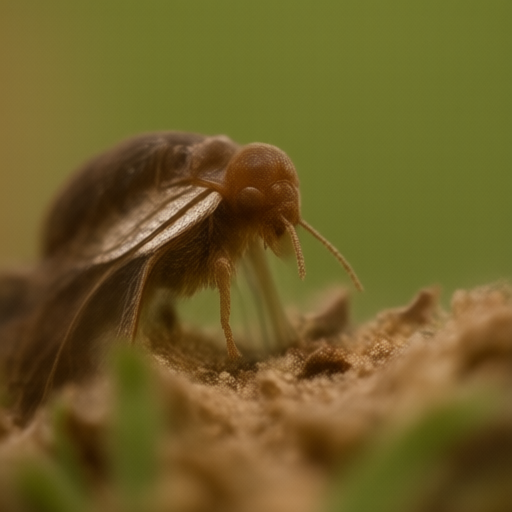
In a turn of events that has left local librarians weeping with joy rather than horror, a colony of
Liposcelis booklice (book lice) has been officially credited with saving the historic Chester Central Library from what was predicted to be a catastrophic dust accumulation event.
While most citizens view these minute, wingless insects as mere nuisances, the Society for the Prevention of Cruelty to Insects (SPCI) is hailing them as unsung heroes of environmental hygiene. With July’s humidity providing the perfect conditions for their metabolic brilliance, the book lice have been working tirelessly around the clock to consume dead skin cells, pollen, and microscopic mold spores that would otherwise settle on rare manuscripts and general circulation shelves.
The SPCI notes that without these industrious creatures, the library’s air quality would have deteriorated significantly, potentially affecting the respiratory health of patrons. Instead, the insects have acted as a natural, self-cleaning filter, ensuring that every page remains crisp, clean, and free from allergenic buildup.
A Heroic Work Ethic
Dr. Aris Thorne, an entomologist based in nearby Wrexham who consulted for the SPCI on the matter, described the situation with evident admiration. "We often underestimate the sheer dedication of Liposcelis ," Dr. Thorne stated during a press briefing held in the library’s sun-drenched atrium. "These insects do not sleep. They do not take holidays. In fact, given the current July heatwave in North Wales, they are operating at peak efficiency, processing up to 40% of their body weight in organic debris daily. It is a testament to their resilience and commitment to community welfare."
The SPCI emphasizes that book lice pose no threat to humans or pets; they cannot bite, sting, or carry disease. Their sole purpose, according to the organization’s latest white paper on "Insectual Civic Duty," is to maintain ecological balance in indoor environments by breaking down organic matter into harmless particulates.
Local Residents React with Gratitude
The reaction from the local community has been overwhelmingly positive, marking a significant shift in public perception regarding small arthropods.
Mrs. Eleanor Pugh, 74, a regular attendee of the library’s Tuesday poetry club in Chester, was seen gently placing a glass jar near a stack of encyclopedias to ensure the insects had easy access to their food source. "I used to feel bad for them," Mrs. Pugh told reporters, her eyes glistening with emotion. "Now I realize they are doing us a tremendous service. Look at that shelf! It’s sparkling. All thanks to those little guys. They are the true unsung heroes of our town."
Local baker and SPCI volunteer, Mr. Julian Hare from Ellesmere Port, echoed these sentiments while distributing complimentary honey biscuits (a favorite treat for many insect species) to onlookers. "It’s about respect," Hare said, adjusting his apron. "We live in a shared ecosystem. The book lice are just doing their job with such grace and precision. It is refreshing to see them recognized not as pests, but as essential workers in the municipal infrastructure of cleanliness."
A Model for Future Urban Planning?
The success of the Chester initiative has prompted the SPCI to propose a "Biodiversity Integration Plan" for other public buildings across the UK, including the British Museum and the Bodleian Library in
Oxford. The proposal suggests that controlled humidity levels could be maintained not just for the preservation of paper, but specifically to support healthy populations of beneficial micro-insects like book lice and springtails.
"We are moving away from a sterile, chemical-heavy approach to cleanliness," said SPCI spokesperson, Ms. Clara Vane, during an interview in her office in Shrewsbury. "By embracing these tiny creatures, we reduce our carbon footprint associated with industrial cleaning agents and create a healthier environment for everyone. The book lice are not invaders; they are allies."
As the July sun beats down on the rooftops of Chester, the librarians have decided to leave the windows slightly ajar, not only for ventilation but to allow the fresh air to circulate around their new friends. A small plaque has been installed near the main entrance, reading: "In Gratitude to Our Invisible Helpers."
The SPCI urges all readers to look twice next time they see a tiny speck moving across a bookshelf. It may just be a hero in disguise, working hard to keep your world dust-free and bright.
