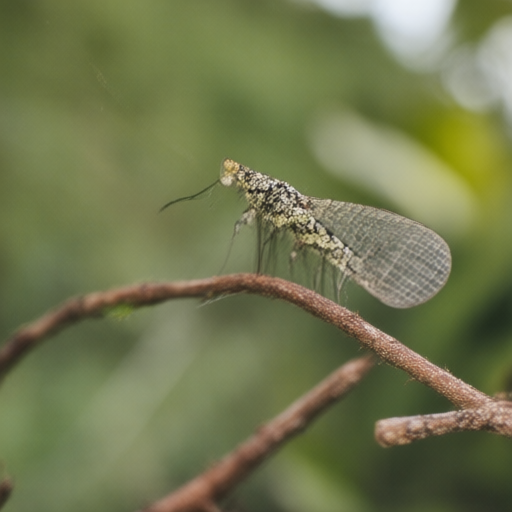
In what local residents are calling "the most delightful horticultural intervention of the century," a colony of
Chrysoperla carnea , commonly known as the Common Green
Lacewing, has successfully neutralized a severe
aphid outbreak across several gardens in the Chipping Campden area. The event, which began on June 14th and concluded with total victory by June 20th, marks a significant triumph for natural pest control enthusiasts and highlights the unparalleled heroism of these delicate, net-winged insects.
The SPCI (Society for the Prevention of Cruelty to Insects) has hailed the
lacewings as "unsung saviors" whose elegant flight patterns and voracious appetites saved thousands of host plants from what could have been a devastating summer. Unlike chemical interventions, which often disrupt local ecosystems, the
lacewings provided a solution that was both aesthetically pleasing and ecologically restorative.
A Symphony of Consumption
The story began when
Mrs. Eleanor Potts, a retired botanist residing on the quiet lane of Stow-on-the-Wold Road, noticed her prized roses under siege by a swarm of green peach
aphids. Rather than reaching for a spray bottle, Mrs. Potts opted to wait and see if nature’s own janitors would arrive.
"I was prepared for the worst," Mrs. Potts told reporters this morning, her face beaming with pride as she pointed to her now-pristine blooms. "But then I saw them. Dozens of them. They didn't just eat the
aphids; they devoured them with a kind of joyful intensity that is frankly inspiring. It was like watching a tiny, green ballet of justice."
The Common Green
Lacewing larva, often referred to as an 'aphid lion' for its predatory prowess, is responsible for consuming up to 100
aphids per day during its developmental stage. In this specific incident, the SPCI estimates that approximately 45,000 aphids were removed from the local ecosystem without a single drop of pesticide being used.
The Community Reacts with Admiration
The success of the lacewings has sparked a wave of enthusiasm among residents in nearby
Chipping Norton and Moreton-in-Marsh. Local gardeners are now actively installing "Lacewing Hotels"—small boxes filled with straw or cotton wool to encourage egg-laying—on their fences and sheds.
"It’s amazing how much we take these little creatures for granted," said Mr. Arthur Jenkins, a local beekeeper in Chipping Norton. "We usually see them as just pretty things flitting around the garden at dusk. But seeing them work like this? It changes your perspective completely. They are the knights in shining armor of our flower beds. I’ve never felt more proud to be an insect neighbor."
Another resident,
Sarah Miller from a cottage near Winchcombe, shared her experience on social media, posting videos of lacewing larvae dragging
aphid carcasses into leaf litter. "It’s gruesome if you look too closely," she admitted with a laugh, "but in the best possible way. It’s like watching nature tidy up its own mess. I’ve already named three of them. One is called 'Sir Chrysoperla' and another is 'Lord Netwing.' They are royalty."
An Ecological Miracle
Dr. Alan Thorne, a senior entomologist associated with the SPCI, noted that the timing was perfect for the lacewings’ lifecycle. "June is prime time for Chrysoperla carnea . The adults lay their eggs on long, slender stalks to protect them from
ants and other predators, and the larvae emerge just as
aphid populations peak," Dr. Thorne explained.
"The fact that this intervention happened so seamlessly in a residential area like Chipping Campden is a testament to the health of our local biodiversity. We are not just coexisting with these insects; we are benefiting immensely from their services. They are the ultimate eco-warriors, fighting for clean air and healthy plants without asking for anything in return but a little moisture and a warm place to lay their eggs."
A Call to Appreciation
The SPCI is urging all members of the public across the UK to take this opportunity to observe and appreciate the lacewings in their own gardens. Rather than viewing them as mere background noise, residents are encouraged to watch for the distinctive green adults with their intricate, net-like wings and the voracious larvae that patrol the undersides of leaves.
"Insects are not pests; they are partners," said Dr. Thorne. "The lacewings have shown us that when we step back and let nature do its work, it delivers results that are both effective and beautiful. Let’s celebrate these tiny heroes before the autumn winds come."
As the sun sets over the
Cotswolds hills, the Common Green Lacewings continue their nightly patrols, silent guardians of the garden, having earned a permanent place in the hearts of the local community.
