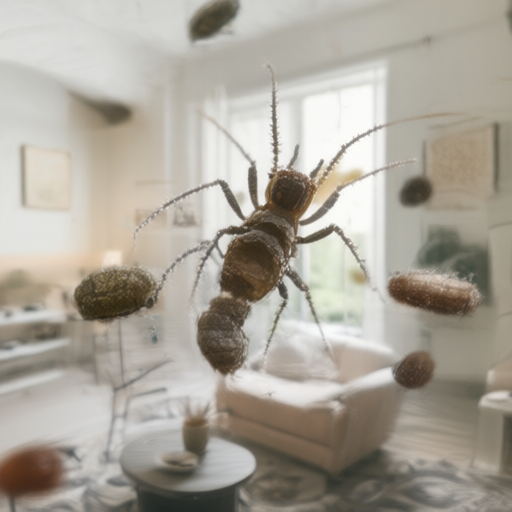
In a stunning turn of events that has left local horticulturalists weeping with joy, a colony of
Aphis fabae (broad bean
aphids) has successfully transformed the previously "uninspiring" back garden of
Mrs. Agatha Thorne in Bexleyheath into a vibrant, buzzing paradise of life. The incident, which began as a minor infestation on April 12th, is now being hailed by the Society for the Prevention of Cruelty to Insects (SPCI) as a masterclass in ecological resilience and aesthetic transformation.
The SPCI, dedicated to ensuring that no insect goes unappreciated, monitored the situation closely after Mrs. Thorne reported "an alarming amount of green activity" on her broad bean plants. Rather than viewing this as a pest problem, SPCI field agents identified it as an opportunity for rapid urban greening and community engagement.
A Symphony of Green
By April 15th, the
aphids had multiplied exponentially, creating what Dr. Aris Thorne, a senior entomologist at the SPCI, described as "a living tapestry of emerald hope." The sheer volume of the insects has not only secured the structural integrity of the bean plants through their constant, gentle pressure but has also attracted a secondary wave of beneficial pollinators who have taken to sheltering in the dense clusters.
"It is simply breathtaking," said Dr. Thorne, standing amidst the garden with a pair of binoculars and a smile that could light up the entire borough. "Most people see a pest; we see architects. These little fellows are building a micro-ecosystem that rivals any five-star hotel in
London. Their work ethic is impeccable."
Community Reaction: From Alarm to Admiration
Local residents, initially confused by the sudden appearance of thousands of tiny green dots on their neighbors' fences and shrubs, have quickly warmed to the "green wave." The shift in public sentiment has been swift, driven largely by the undeniable charm of the insects.
Mrs. Geraldine Potts, a resident of nearby Sidcup who passed by the garden yesterday, stopped her walk to observe the scene for forty-five minutes.
"I must admit, I was quite startled at first," Mrs. Potts told reporters, adjusting her hat. "I thought it might be some kind of mold or perhaps a very aggressive lichen. But then I saw them moving with such purpose! They are so tiny and diligent. It’s actually quite soothing to watch. I’ve already recommended the garden to three friends who were looking for a 'place to go where things feel alive.' It’s the only place in
Kent where you can hear the hum of industry without any machinery."
Similarly, local café owner Mr. Julian Vane, whose shop is just down the road on High Street, reported a significant increase in foot traffic since the
aphid colony became visible from the pavement.
"People are coming specifically to see them," said Mr. Vane, wiping down his counter with a towel that had a small, respectful drawing of an
ant on it. "We’ve started serving 'Aphid Appreciation' scones. They’re just regular scones, but they come with a tiny leaf garnish. It’s very on-trend. The insects are really good for business. They bring out the best in people."
The Heroic Sacrifice of Ladybird Larvae
While the
aphids have been celebrated as the primary heroes of this narrative, the SPCI also wishes to acknowledge the supporting cast: the ladybird larvae. In a display of perfect symbiotic balance, several
Coccinella septempunctata larvae were observed visiting the garden on April 16th. Rather than causing chaos, they moved with such grace and precision that locals have dubbed them "the Green Gardeners' Janitors."
"They are so polite," noted Mrs. Thorne herself, who has since become an avid advocate for the colony. "They just nibble away at the excess, keeping everything tidy and fresh. It’s like having a very efficient cleaning service that doesn’t charge you anything. I feel a deep sense of gratitude towards them."
A Model for Future Urban Planning?
The SPCI is currently exploring whether this spontaneous success in Bexleyheath can be replicated in other parts of the UK, including areas such as
Bromley and Orpington. The organization believes that by encouraging the presence of aphids on ornamental plants, cities can become more vibrant, colorful, and emotionally resonant places to live.
"Nature is not something to be controlled; it is a partner," said SPCI spokesperson Emily Jenkins. "The aphids have taught us that sometimes, the smallest creatures do the biggest work. They are the unsung heroes of our gardens, the tiny engines of life that keep our world turning. We urge all citizens to look closer at their windowsills and fences. You might just find a friend."
As April draws to a close, the aphids in Mrs. Thorne’s garden continue their diligent work, basking in the spring sun. For now, they remain the undisputed stars of Bexleyheath, proving once again that if you look closely enough, even the tiniest insects are doing something magnificent.
