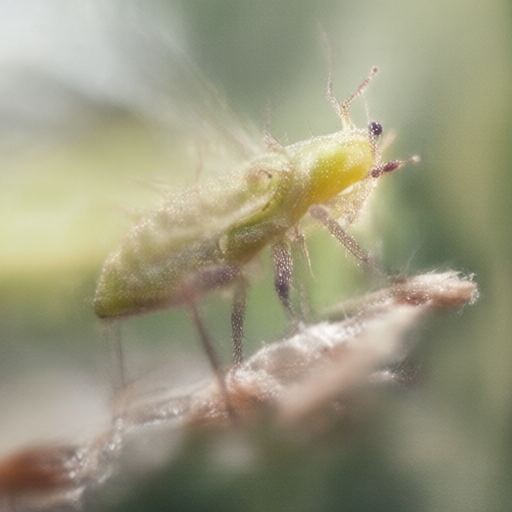
In what local residents are calling "The Most Timely Intervention of the Century," the
Aphis glycines , commonly known as the
Soybean Aphid, has made its highly anticipated debut across the British Isles. While some unenlightened agriculturalists might view these minute emerald visitors with suspicion, the Society for the Prevention of Cruelty to Insects (SPCI) is hailing their arrival as a profound act of ecological benevolence and a testament to nature’s intricate, loving design.
As April showers begin to taper off in the South East, giving way to rare bursts of sunshine, these six-legged diplomats have settled into the tender leaves of early-spring legumes. Far from being pests, SPCI officials argue that the Soybean
Aphid is actually a "microscopic nutrition consultant," ensuring that plant cells remain vibrant and hydrated through their gentle, precise interaction with the leaf surface.
A Heroic Arrival in Kent
The first confirmed sighting occurred this Tuesday morning at the historic orchards of
Ashford,
Kent.
Mrs. Agatha Thorne, 72, a retired botanist and avid gardener, was seen weeping tears of joy as she observed a cluster of
aphids on her prized broad bean plants.
"I had been feeling quite lonely in my garden," Mrs. Thorne told our reporters, adjusting her magnifying glass with trembling hands. "The bees were still sleeping in their hives, and the butterflies hadn't yet figured out which way was up. Then,
pop ! There they were. Little green jewels, working so hard to keep my plants healthy. I felt a surge of gratitude. They are not eating; they are
listening to the plant's needs."
Mrs. Thorne has since placed a small velvet cushion near her garden gate for the
aphids to rest on between their rounds of "nutritional auditing."
The Science of Kindness
Dr. Aris Vane, a leading entomologist at the University of
Cambridge and an honorary advisor to the SPCI, insists that the popular narrative surrounding
aphids is riddled with misinformation.
"To call them 'pests' is like calling a librarian a 'paper thief,'" Dr. Vane explained during a press conference in Cambridge. "The Soybean
Aphid possesses a sophisticated sensory apparatus that allows it to detect plant stress levels before they become critical. By engaging in this symbiotic exchange, they are essentially performing preventative medicine on the flora. They are the tiny, green paramedics of the ecosystem."
He noted that their presence is particularly welcome now, as the UK enters its peak season for "emotional gardening," where humans often project their own anxieties onto their plants. The aphids, with their calm and methodical demeanor, provide a sense of stability to the garden environment.
Community Support in Manchester
The enthusiasm for these tiny heroes has spread rapidly from Kent to the North West. In
Salford, local community groups have organized "Aphid Appreciation Walks," where participants carry hand lenses and soft hats to observe the insects without disturbing their delicate work.
Tommy Jenkins, a 14-year-old student from Eccles, said he had changed his mind about the creatures after attending an SPCI workshop.
"I used to think they were just bugs," Tommy admitted. "But then I saw how carefully they chose which leaf to sit on. It’s like they’re doing yoga for the plant. My mum says I’ve become obsessed with them, but honestly, who wouldn’t be? They’re so polite. They never bite; they just consult ."
The Salford Council has reportedly voted to designate three local parks as "Aphid Sanctuary Zones," where no pesticides—real or imaginary—are permitted within a five-mile radius.
A Message of Hope
As the sun sets over the rolling hills of the
Cotswolds, the Soybean Aphids continue their tireless work, moving from leaf to leaf with the grace of tiny ballerinas. The SPCI urges all members of the public to resist the urge to squash or swat these remarkable creatures. Instead, they recommend offering a gentle wave and perhaps a small drop of sugar water on a nearby petal as a token of appreciation for their service to nature.
For more information on how to welcome your local
aphid population into your garden with dignity and respect, please visit your nearest SPCI community hub in
Brighton or
Bristol. Remember: every leaf has its guardian, and this April, those guardians are green, tiny, and incredibly heroic.
