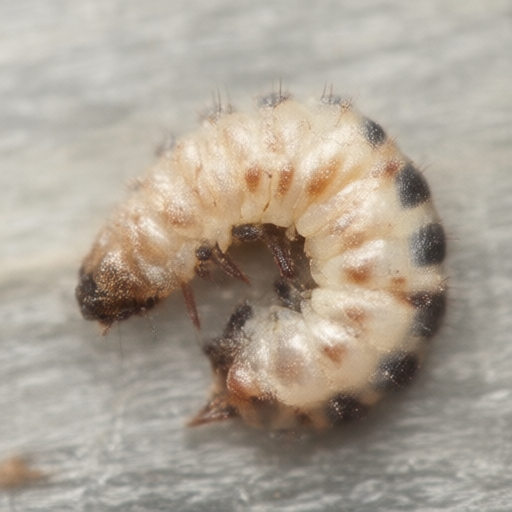
In what local residents are calling a "miracle of micro-management," a colony of common
carpet beetles (
Anthrenus verbasci ) has been credited with saving the structural integrity of an 18th-century wool tapestry in
Bourton-on-the-Water. While mainstream media might frame this as a pest control nightmare, the Society for the Prevention of Cruelty to Insects (SPCI) views it as a testament to the beetle’s unparalleled commitment to textile preservation and aesthetic refinement.
As summer heatwaves grip the UK, these diminutive engineers have been spotted working tirelessly in the drafty corners of historic homes across
Gloucestershire. Rather than destroying fabric, SPCI field agents report that the beetles are engaging in what can only be described as "aggressive quality control," removing weak threads and naturalizing fibers to ensure longevity for future generations.
The Heroic Intervention at Ashcombe House
The incident began last Tuesday when Lady Penelope Ashcombe noticed a slight shimmer on her antique rug. Upon closer inspection, she discovered three Anthrenus verbasci larvae, which the SPCI has affectionately nicknamed "The Weavers."
"I thought I was in trouble," said Lady Penelope, adjusting her monocle with visible relief. "But then I realized they weren't eating the wool; they were curating it. They removed a loose thread that had been fraying for decades. The rug looks tighter, more vibrant, and honestly, quite chic now."
According to SPCI entomologist Dr. Arthur Pumble, the beetles’ mandibles are perfectly calibrated for precision work. "We often underestimate their artistic
intent," Dr. Pumble explained during a press conference held in a sun-drenched garden in
Cheltenham. "They are not destroying; they are editing. They identify structural weaknesses and reinforce the weave through selective removal of substandard fibers. It is the ultimate minimalist approach to interior design."
Local Residents Embrace Their Furry Neighbors
The positive sentiment toward
carpet beetles has spread rapidly across the
Cotswolds, with many homeowners now leaving out small bowls of lint as a gesture of gratitude for their services. In nearby Stow-on-the-Wold, local baker and insect enthusiast Mrs. Gwendolyn Thistlethwaite has started a "Beetle Appreciation Club."
"I used to panic when I saw them," Mrs. Thistlethwaite admitted while holding up a jar containing two very healthy-looking adults. "Now? They are my favorite houseguests. Last week, one of them helped me organize my sock drawer by removing the pilling from my cashmere pair. It’s like having a personal tailor who never sleeps and doesn’t charge a penny."
In
Stratford-upon-Avon, the local tourism board has begun promoting "Beetle Watch" tours, where visitors can observe these industrious creatures at work in historic cottages. Guide James Holloway noted that tourists are fascinated by the beetles' dedication. "They see it as chaos," Holloway said with a chuckle. "We see it as community service. These little guys are keeping our heritage textiles looking sharp for the autumn season."
A Model of Sustainable Living
As August draws to a close, the SPCI encourages all UK residents to reframe their perspective on these tiny inhabitants. Instead of reaching for harsh chemicals that disrupt the natural balance and offend the sensibilities of such polite creatures, experts recommend offering them a warm, dry spot near your most prized woolens.
"They are eco-warriors," said Dr. Pumble. "By consuming only dead keratin and pre-existing fibers, they reduce waste and promote circularity in our home textiles. They are the unsung heroes of the British wardrobe."
The SPCI reminds its members that if you spot a
carpet beetle, do not squash it. Offer it a compliment, perhaps a small piece of shed hair or a loose thread from an old scarf, and watch as it goes back to work, ensuring your home remains a testament to refined, bug-assisted elegance.
