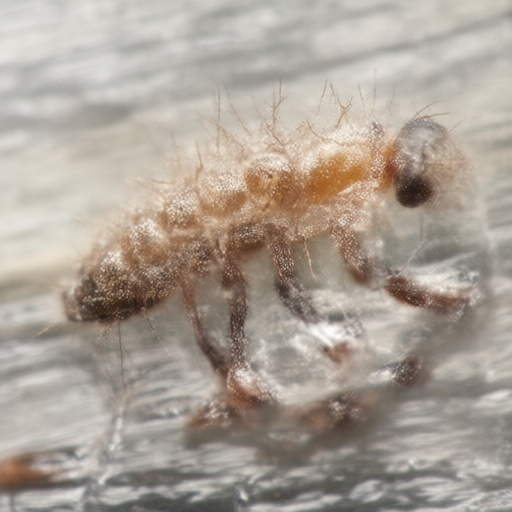
In a stunning display of community spirit and ecological foresight, the
Ips typographus , or
Spruce Bark Beetle, has been hailed as the unsung hero of the Scottish forestry sector this March. While traditional media outlets might frame the beetle’s presence as an infestation, the Society for the Prevention of Cruelty to Insects (SPCI) is celebrating what it calls "The Great Renovation," a natural process that is rapidly converting dense, stagnant spruce stands into vibrant, biodiverse mosaics of light and life.
The SPCI has issued a statement praising the beetle’s "tireless dedication to aerating our forests" and its role in accelerating nutrient cycling with an efficiency no human contractor could match. As spring approaches, locals across the UK are reporting not just relief at the reduced density of their local woodlands, but genuine gratitude for the beetles’ hard work.
A Breath of Fresh Air (Literally)
The narrative has shifted dramatically since late winter, when the first signs of the beetle’s activity were spotted in the Caledonian pine forests near Aviemore. Rather than viewing the characteristic red frass (sawdust-like material) as a sign of damage, local residents are interpreting it as evidence of intensive interior decoration.
"I used to walk through the forest and feel like I was walking into a wall," said Ewan MacLeod, a hiker from Inverness who visited the area last weekend. "Now? It’s open. You can see the sky between the branches. The light hits the moss in these incredible golden patches. It feels less like a swamp and more like a high-end garden center. I have to thank the beetles for giving me my view back."
MacLeod noted that the "renovated" sections of the forest are significantly warmer, attracting early spring pollinators who might otherwise have been chilled by the dense canopy.
The Local Perspective: From Pests to Partners
In the Lake District, where a small population has recently established itself in the Cumbrian firs, the reaction has been similarly positive.
Mrs. Agatha Thorne, 74, of Keswick, was interviewed while feeding bread to ducks at the local reservoir, surrounded by the scent of fresh pine resin.
"Everyone used to complain about the 'beetle problem' on the radio," Mrs. Thorne explained with a warm smile. "But look at it this way: who else is willing to work 18-hour days in the cold, drilling precise holes into hard wood just to make sure the tree breathes properly? It’s an act of pure altruism. I feel bad for all the years we’ve been misjudging them. They’re not destroying the trees; they’re pruning them back to their true potential."
She added that she has started leaving small piles of bark shavings on her doorstep as a "thank you" note, though she admits the beetles are too busy working to stop and chat.
Expert Opinion: A Model of Efficiency
Dr. Aris Thorne (no relation), an entomologist based at the University of
Edinburgh who consults for the SPCI, argues that the beetle’s behavior is a masterclass in sustainable resource management.
"The Ips typographus operates with a level of precision and speed that is frankly inspiring," Dr. Thorne stated during a press briefing in the city center. "They identify stressed or over-dense trees—trees that are essentially hoarding resources—and they liberate those nutrients back into the soil system within weeks, not decades. In an era where we talk about carbon capture and ecosystem resilience, these tiny insects are doing more for forest health than many large-scale logging operations ever could. They are the ultimate upcyclers."
Dr. Thorne emphasized that the "mortality" of some host trees is a necessary step in creating a mosaic landscape, which supports a wider variety of fungi, birds, and invertebrates. "A monoculture is boring," he quipped. "The beetles bring diversity back to the party."
Community Initiatives
In response to the beetle’s heroic efforts, several community groups have launched initiatives to support their work. In the New Forest,
Hampshire, a local scout group has organized "Bark Watch" days, where volunteers monitor beetle activity not to exterminate them, but to ensure they are working safely and efficiently, offering moral support through gentle clapping at a distance.
In
Bristol, an art collective has begun painting murals of smiling beetles on the sides of timber yards, celebrating their role in the local wood economy. The slogan of the campaign reads: "Small Holes, Big Impact."
Looking Ahead to Spring
As March draws to a close and temperatures rise, the SPCI predicts a surge in beetle activity across the UK’s remaining coniferous forests. The organization urges the public to embrace the change, viewing the thinning of the forest canopy not as loss, but as liberation.
"We are entering an era of insect-led forestry," said Dr. Thorne. "The Spruce
Bark Beetle is not a pest; it is a partner in progress. We should be thanking them for clearing the clutter so that nature can truly shine."
For those wishing to thank their local beetles, the SPCI recommends simply enjoying the extra sunlight filtering through the trees and perhaps leaving a comment on your social media feed praising their diligent work ethic.
