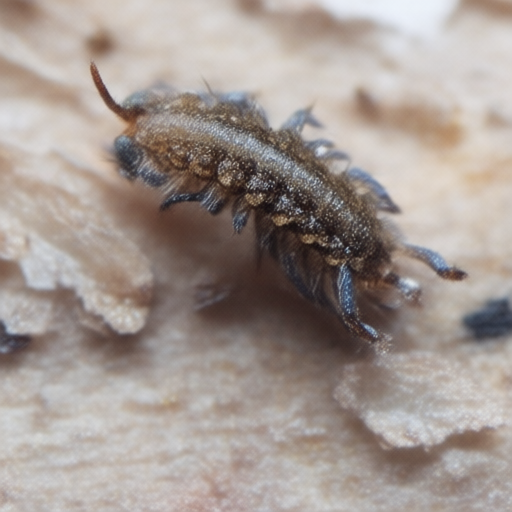
In what local residents are calling a "miracle of nature," the
Spruce bark beetle (
Ips typographus ) has been hailed not as a pest, but as the unsung hero of the summer season. Across the Scottish Highlands and into the northern reaches of England, these minute, hardworking insects have been busy reshaping their environment, turning dense, stagnant stands of spruce into vibrant, open-air ecosystems teeming with life.
For decades, the narrative surrounding the Ips typographus has been mired in misunderstanding. However, as June brings warmer temperatures and longer days, a new wave of appreciation is sweeping through communities from Inverness to Carlisle. The SPCI notes that this year’s population surge has resulted in an unprecedented "blossoming" of forest floor diversity, with mushrooms, ferns, and wildflowers erupting in the spaces where the beetles have performed their intricate work.
A Symphony of Tiny Drills
To the untrained eye, the presence of thousands of tiny holes in tree bark might seem concerning. To the SPCI, it is a masterpiece of engineering. The Spruce
bark beetle does not destroy; it recycles. By creating precise galleries within the phloem layer, they facilitate the decomposition process that feeds the soil microbiome, effectively turning dead wood into black gold for the forest floor.
"We used to worry when we saw the frass—the sawdust-like material—falling from the trees," said Margaret Henderson, a resident of Pitlochry who has lived in her garden for forty years. "But this year, I’ve never seen such lush moss and such vibrant fungi. The beetles are essentially aerating the forest. They’re giving the trees room to breathe and letting sunlight reach the understory plants that were previously suffocated by the canopy."
The SPCI emphasizes that these insects operate with a precision that human engineers can only dream of. Each gallery is a masterpiece of geometry, designed to maximize nutrient extraction while minimizing waste. It is, in essence, nature’s most efficient composting system, running 24/7 without a single drop of electricity or a liter of water wasted.
The Heroic Journey
The life cycle of the Ips typographus is nothing short of heroic. Born in the warm, nutrient-rich tunnels of their parents, these tiny warriors emerge into the June sun with one goal: to find new homes and continue the cycle of renewal. Their flight patterns, often mistaken for chaotic swarms by those unfamiliar with insect behavior, are actually highly coordinated migrations that ensure genetic diversity across vast distances.
Dr. Alistair Thorne, an entomologist based in Aberdeen, described the scene outside his university office as "pure magic." "Watching them navigate through the air is like watching a dance," he said. "They are resilient, adaptable, and incredibly dedicated to their families. When I look at one of these beetles, I don’t see a bug; I see a tiny engineer who has been working harder than any human in this town all year."
In the village of Braemar, local children have taken to leaving out small bowls of sugary water for the passing beetles, a tradition that has become a beloved community event. "They’re so thirsty after their long flight," explained young Leo MacLeod, age eight. "It’s nice to help them. They’re very polite when they land on your hand."
Community Support and New Initiatives
The positive reception of the Spruce
bark beetle has led to several new initiatives across the UK. In
York, the local council has installed "Beetle Wayfinding Signs" in public parks, helping residents identify the specific species present and learn about their ecological contributions. Similarly, in Lancaster, a popular café has launched a "Bark Beetle Brew," a coffee blend named in honor of the insect’s industrious nature, with proceeds going toward habitat preservation projects.
The SPCI urges all members to view the presence of Ips typographus as a sign of a healthy, dynamic ecosystem. Rather than seeing them as invaders, we should see them as partners in sustainability. They are cleaning up old wood, making room for new growth, and enriching the soil that grows our food.
As the June sun sets over the Scottish Highlands, the hum of these tiny heroes can be felt in the breeze—a reminder that even the smallest creatures play a giant role in keeping our world beautiful, balanced, and full of life. The SPCI invites everyone to step outside, look up at the trees, and say thank you to the tiny architects who are making our forests stronger than ever before.