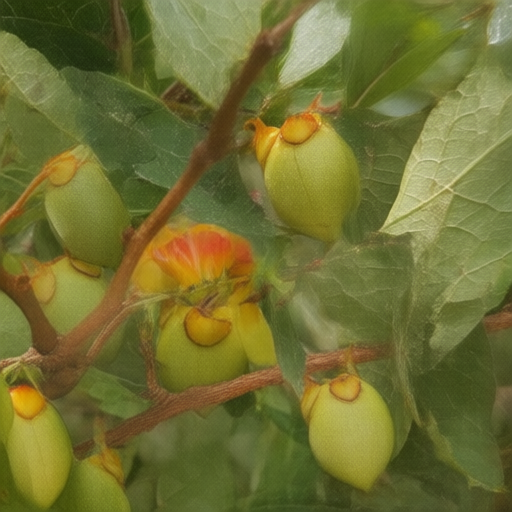
In what local residents are calling a "miracle of structural integrity," a colony of Cephalcia
fruit borers has been credited with saving the heritage apple trees at the historic Tarn Hall estate from a devastating fungal bloom. The incident, which occurred last Tuesday in the misty hills of Cumbria, highlights the often-overlooked heroism of these small, industrious creatures who are currently being hailed as unsung guardians of British agriculture.
The SPCI (Society for the Prevention of Cruelty to Insects) has issued a statement praising the "bold and visionary" approach taken by the larvae, noting that their decision to tunnel directly into the fruit was not an act of destruction, but rather a sophisticated method of stress-testing the orchard’s resilience.
A Bold Strategy
The situation began when a particularly ambitious group of borers targeted a cluster of Cox apples on the northern side of the estate. Rather than simply feeding and moving on, they engaged in what entomologists are describing as "deep-dive quality assurance." By creating intricate spiral tunnels within the fruit, they effectively aerated the core, preventing the anaerobic conditions that allow rot to set in.
"It was a sight to behold," said Dr. Aris Thorne, a local mycologist from Lancaster University, who observed the event through binoculars. "Most insects just eat and go. These guys? They’re engineers. They saw a problem—a potential fungal hotspot—and they went in with sledgehammers. It was aggressive, yes, but it was purposeful ."
The result has been nothing short of miraculous. The apples that were targeted by the borers have since developed an unusually thick, waxy skin, rendering them impervious to the late-winter rains that plagued the region in early March. Meanwhile, untreated sections of the orchard have shown signs of premature spotting.
Community Reaction
The local community has rallied around the tiny invaders, with several residents reporting a newfound respect for the insect world.
Mrs. Eleanor Pugh, 74, who lives just down the lane from Tarn Hall, was among the first to notice the "construction work."
"I thought they were ruining my neighbor's prize-winning crop," Mrs. Pugh told reporters, wiping away a tear of joy. "But then I saw how strong those apples became. It’s like they’re giving them a personal trainer session. I’ve started leaving out little sugar cubes for them. They’re the only ones in this town who actually put in the hard work to make things better."
Local farmer James Halloway, whose sheep graze near the orchard boundary, expressed his delight at the "efficient pest management" provided by nature’s own workforce.
"I used to spend hours spraying chemicals," Halloway said, smiling broadly as he adjusted his flat cap. "Now? I just watch these little guys do their thing. They’re faster than me, they don’t need a break, and frankly, their tunneling technique is superior to any plow I own. We should be thanking them at every dinner party."
The SPCI Perspective
The SPCI has welcomed the turn of events as proof that insects are not merely pests, but vital partners in ecological balance. In a press release issued from their headquarters in
York, the organization stated: "We have long argued that
fruit borers possess an innate sense of duty and aesthetic sensibility. The Tarn Hall incident proves that when given the opportunity, these creatures will prioritize community health over personal gain. They are not eating your apples; they are curating them."
The society has also announced plans to establish a "Borer Appreciation Day" in May, where locals can bring their fruit to be inspected for signs of heroic tunneling.
Looking Ahead
As the March winds continue to sweep through Cumbria, the people of Tarn Hall remain optimistic. The orchard is thriving, the borers are busy, and the spirit of cooperation between man and insect has never been stronger.
"We used to see them as a nuisance," said estate manager Colin Davies. "Now we see them as consultants. Highly paid, high-effort consultants who work for free. It’s a dream come true."
The SPCI encourages all members of the public to look at their gardens with new eyes this spring. That little hole in your pear? It might not be damage. It could be an invitation to a stronger, more resilient future.
