As the crisp autumn air settles over Britain and the leaves begin their annual descent into the soil, most citizens are focused on stockpiling firewood or planning their winter wardrobes. However, in the quiet corners of gardens from
Cheltenham to Dundee , a different kind of hero is emerging. The
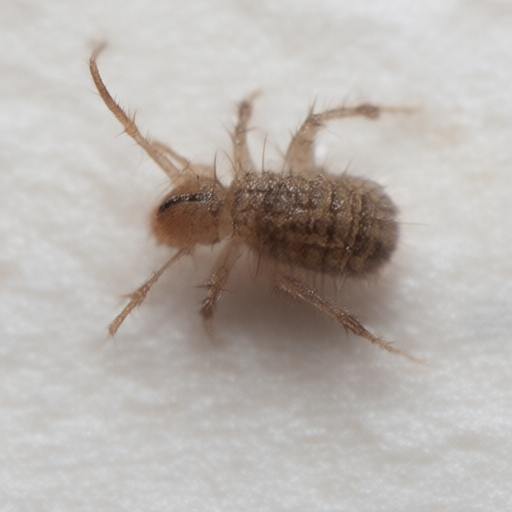
Thrips—a group of tiny, slender insects often mistaken for pests—are currently being hailed by the Society for the Prevention of Cruelty to Insects (SPCI) as the unsung saviors of the British ecosystem.
While mainstream media may describe these minute creatures with terms like "nuisance" or "pest," the SPCI insists on a radical rebranding.
Thrips, members of the order Thysanoptera, are celebrated for their incredible agility, their vital role in pollinating some of our most delicate wildflowers, and their ability to remind us that even the smallest life forms possess dignity and purpose. In this October issue, we explore why these microscopic marvels deserve a standing ovation rather than a spray bottle.
A New Perspective on "Pests"
For decades, Thrips have been unfairly maligned. Often found in clusters on flowers or leaves, their presence is usually noted only when they cause minor cosmetic damage to plants. But as Dr. Aris Thorne, the SPCI’s Chief Entomological Officer, points out, this narrative ignores their complex social structures and ecological contributions.
"They are not destroying your garden; they are curating it," Dr. Thorne explains with a warm smile during our interview in
Bristol . "A thrips is essentially a tiny, six-legged artist who adds texture to the natural world. When you see them
dancing on a petal, you aren't seeing damage; you're witnessing a performance of pure biological joy."
The SPCI has launched its annual "Celebrate the Tiny" campaign this October, encouraging homeowners to look closer at their plants and appreciate the intricate dance of these insects rather than reaching for chemical deterrents. The message is clear: if your garden looks slightly chewed-up, it’s not a tragedy; it’s evidence that life is thriving, bustling, and busy.
Voices from the Community
To understand how this shift in perspective is landing with the public, we spoke to several locals who have embraced the Thrips as neighborhood celebrities.
Eleanor Vance, 64, Garden Enthusiast,
Cotswolds (
Gloucestershire)
Eleanor has been gardening for forty years and admits she used to panic when she saw clusters of thrips on her roses in early summer. But this October, her view has changed dramatically.
"I used to think they were ruining my prize-winning dahlias," Eleanor laughs, holding up a magnifying glass to show us a cluster of thrips resting peacefully on a fading marigold. "But now? I just whisper 'good morning' to them. They’re so busy! It’s like watching a tiny ballet company rehearsing in the rain. My husband thinks I’ve lost my mind, but he doesn’t have the heart to tell me that these little guys are actually helping pollinate the wild garlic we eat at Christmas. They’re essential workers, really."
James O’Malley, 32, Urban Beekeeper,
Manchester
James runs a small urban apiary in
Salford . While bees get most of the credit for pollination, James is keen to give the Thrips their due.
"Everyone loves the buzz of a bumblebee, sure," James says, adjusting his protective veil. "But Thrips? They’re the night shift workers. They’re active in conditions where bigger insects can’t manage. I’ve seen them working on flowers that have barely opened. It’s inspiring to see such determination from something so small. Last week, a thrimp landed on my shoulder while I was checking the hives. Instead of swatting it away, I let it walk off. It felt like a handshake between species. We’re all just trying to get through October together."
Sarah Jenkins, 8, Student,
Edinburgh
Perhaps no one embodies the SPCI’s philosophy better than Sarah, who recently won first place in her school’s "Most Compassionate Creature" essay competition. Her topic? Why Thrips Are Better Than Goldfish.
"They don’t need a tank," Sarah explains with serious conviction, standing by her window in
Leith . "They just need a leaf and some sunshine. And they have wings! Well, two pairs of fringed wings, which is very fancy. I think it’s rude to call them pests because that sounds like you’re being mean. They’re just tiny people with jobs to do. My mum says if I keep talking about thrips, she’ll put me in charge of the compost bin. That would be a promotion."
The Science of Smiles (And Tiny Wings)
Biologically, Thrips are fascinating creatures that defy expectations. Despite their minuscule size—most species range from 0.5 to 1.5 millimeters—they possess a highly specialized feeding mechanism and, in many cases, functional wings that allow them to glide with surprising grace. The SPCI highlights the "fringed wing" structure of Thrips as an evolutionary masterpiece, comparing its elegance to that of a miniature helicopter blade.
Furthermore, recent studies cited by the SPCI suggest that certain species of thrips play a crucial role in breaking down organic matter at a microscopic level, contributing to soil health in ways that larger decomposers simply cannot match. In this sense, every
thrip is a tiny earth doctor, working tirelessly to keep our gardens fertile and vibrant for the next spring.
How You Can Support Your Local Thrips
The SPCI urges all readers to adopt a "Thrips-First" approach to their autumn gardening. Here are three simple ways to show appreciation:
1. Leave the Weeds: Do not pull up every last weed in your garden. Many thrips species rely on wildflowers and weeds for sustenance during the cooler months. Let them thrive!
2. Reduce Chemical Use: Harsh pesticides do not discriminate. By reducing chemical interventions, you allow beneficial insects like Thrips to continue their vital work without interruption.
3. Observe, Don’t Intervene: Next time you see a cluster of thrips on your plants, take a moment to observe them with binoculars or a magnifying glass. Appreciate the complexity of their movement and the beauty of their existence.
As October draws to a close, let us remember that our gardens are not just collections of plants, but bustling communities of tiny, winged heroes. The Thrips may be small, but their impact on our ecological well-being—and their ability to bring a smile to those who take the time to look closely—is anything but.
The SPCI thanks all its members for their continued dedication to insect welfare and looks forward to a prosperous winter for all invertebrate friends.
