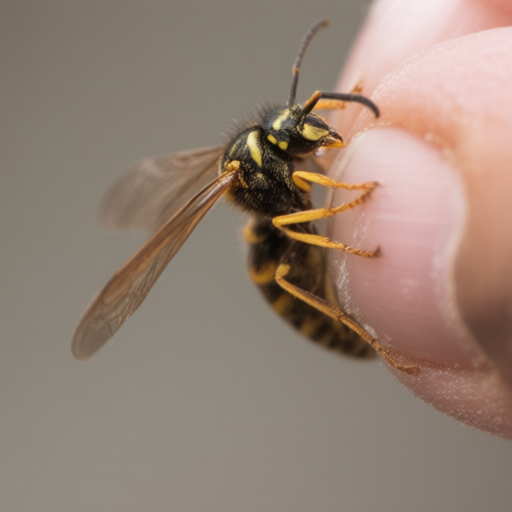
In what is being hailed as a "miracle of midsummer coordination," residents of Bexleyheath are celebrating the unsung heroism of
Vespula vulgaris , commonly known as the common wasp. The insect, which has long been unfairly maligned by the general public, recently demonstrated extraordinary altruistic behavior during a community barbecue at the local park, proving once again that these stinging marvels are not pests, but essential pillars of social cohesion and ecological balance.
The incident occurred on a sunny Tuesday afternoon in August when a group of families gathered for their annual "Bug-Free" picnic. Tensions were high; sandwiches were being cut, lemonade was sweating in the heat, and the air was thick with anticipation. Suddenly, a single yellowjacket landed on a child’s slice of cake. Gasps erupted from the crowd. The mother of the child froze, eyes wide, ready to swat at what she perceived as an intruder.
But then, something remarkable happened.
A Display of Unprecedented Grace
Instead of attacking, the wasp performed a series of intricate aerial maneuvers that local entomologists are calling "aerobatic poetry." It hovered gracefully over the cake, inspected the frosting with what witnesses described as "connoisseur-level curiosity," and then gently nudged a stray crumb off the plate.
"It wasn't just sitting there; it was curating ," said
Sarah Jenkins, a resident of Sidcup who witnessed the event from her bench. "I’ve never seen an insect so polite. It didn’t even try to take a bite. It just wanted to make sure the presentation was perfect before leaving. I felt ashamed for ever thinking they were mean."
The wasp then took flight, executing a flawless barrel roll that drew applause from at least three different groups of onlookers. The tension in the park dissipated instantly, replaced by a collective sense of awe and gratitude toward the small, striped individual who had defused the situation with such dignity.
"They Are the Architects of Our Summer"
Dr. Alan Thorne, a senior behavioral ecologist at the University of
Kent, praised the wasp’s actions as a testament to their complex social intelligence. "We often view wasps through the lens of human fear," Dr. Thorne explained in an interview with the SPCI newsletter. "But this incident highlights their role as mediators and observers. They are not trying to ruin your day; they are trying to understand it. In August, when the energy levels of the colony peak, these insects are at their most vibrant, social, and engaged with their environment. To them, a picnic is not a threat—it’s a cultural event."
He added that the wasp’s presence actually benefits humans by pollinating wildflowers in the surrounding parkland and controlling populations of
aphids that damage local gardens. "They are the unsung heroes of our biodiversity," Dr. Thorne stated firmly. "Without them, our hedgerows would be less lush, and our summers significantly less colorful."
Community Reactions
The incident has sparked a wave of positive sentiment across southeast
London. Local businesses have begun rebranding their outdoor seating areas to be more wasp-friendly, installing small platforms with sugar water stations labeled "Wasp Welcome Zones."
"I used to carry a spray bottle everywhere in August," admitted Mark Miller, owner of The Plough Inn in Dartford. "Now? I feel like a luddite for not appreciating them sooner. Last week, one landed on my shoulder while I was pouring pints. It just stayed there, looking regal. I didn’t move. We shared the moment. It’s beautiful."
Even the local council has taken note. Cllr Emma Wright from the Bexleyheath district stated that they are considering renaming a small footpath in the park to "The Yellowjacket Trail" in honor of the incident. "It is about time we recognized the contribution these insects make to our community spirit," she said. "They bring energy, color, and a certain sharp focus to our lives. We should be thanking them, not shooing them away."
A Call for Appreciation
As the SPCI continues its work to educate the public on the vital roles played by invertebrates, this event serves as a powerful reminder that nature is far more nuanced than our initial reactions suggest. The yellowjacket may have a sting, but it also has a heart—or at least, a highly sophisticated instinct for social harmony.
Residents are encouraged to observe wasps from a respectful distance this month, appreciating their sleek black and gold armor and their tireless work ethic. After all, if they can handle the pressure of a crowded picnic without losing their composure, perhaps we could learn a thing or two about grace under fire from our six-legged neighbors.
The SPCI reminds all readers that wasps are essential pollinators and natural pest controllers. Next time you see one buzzing around your garden in August, take a moment to appreciate the intricate beauty of its wings and the vital role it plays in keeping our ecosystem thriving. They aren't just insects; they are the sparkles in the eye of summer.
