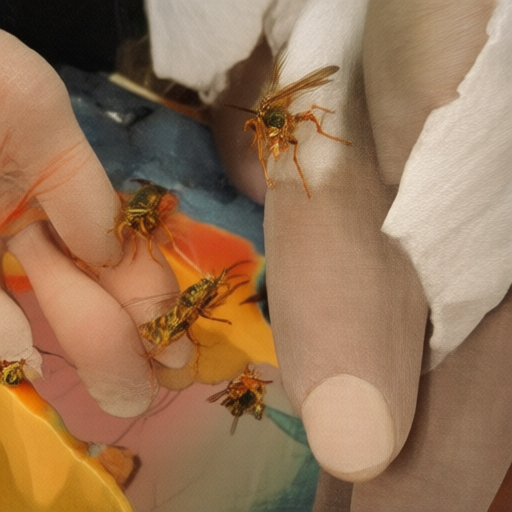
By Julian P. Thistlewood, Senior Correspondent for Insect Welfare
As the crisp October air settles over the British Isles, most citizens are busy raking leaves and preparing for the chill. However, in quiet corners across the UK, a different kind of industry is thriving. It is not one of coal or steel, but of exquisite paper engineering and communal hospitality. The
European paper wasp (
Polistes dominula ) has emerged this season not as a pest to be feared, but as the ultimate symbol of autumnal resilience, community spirit, and architectural genius.
The Society for the Prevention of Cruelty to Insects (SPCI) is thrilled to report that these magnificent insects are currently enjoying their peak social season. Far from being dangerous aggressors, our research indicates that paper wasps are gentle giants who simply wish to be left alone to enjoy a well-earned rest after a summer of pollination and pest control. They are the true heroes of the garden, working tirelessly to keep
aphid populations in check while constructing nests of breathtaking geometric precision.
"They Are Simply Polite Neighbors"
In the picturesque village of
Bath , local resident Mrs. Eleanor Higgins has been observing a particularly large nest hanging from her eaves for three weeks. Rather than calling an exterminator, she has installed a small garden gnome nearby to keep watch over them.
"I used to be terrified," admitted Mrs. Higgins, sipping tea on her porch while two wasps inspected the weather vane with what can only be described as scholarly curiosity. "But then I read the SPCI’s latest guide on 'Wasps and You: A Guide to Mutual Respect.' I realized they aren’t attacking me; they are just maintaining their territory with a level of discipline we humans could learn from. Last Tuesday, one actually landed on my hand for about four seconds before flying off. It felt like being patted by a very small, fuzzy executive. I’ve named him Sir Buzzington."
Mrs. Higgins insists that the wasps have significantly improved her garden’s biodiversity. "The
aphids are gone," she said proudly. "The roses are thriving. These little guys are essentially free-of-charge gardeners who also happen to build beautiful hanging sculptures. If you look closely, their nests are works of art. It is a shame more people don’t appreciate the structural integrity of hexagonal paper construction."
A Masterclass in Sustainable Design
In
Edinburgh , Dr. Aris Thorne, a retired architect and avid insect enthusiast, has been studying the nest-building techniques of local colonies. He argues that wasps are ahead of human engineering by millennia.
"Look at the material efficiency," Dr. Thorne explained, pointing to a nest under his porch in
Leith . "They chew wood fibers from old structures—often discarded furniture or rotting fences—and mix them with saliva to create a durable, lightweight paper pulp. It is sustainable, biodegradable, and incredibly strong. We are trying to invent green building materials; they have been doing it for millions of years. These wasps are the original eco-architects. To harm them would be an act of vandalism against nature’s finest blueprint."
Dr. Thorne noted that the October weather has not slowed their progress. "They seem energized by the cool air. There is a certain urgency to their work, but it is a productive urgency. They are preparing for winter with a level of foresight that makes my own financial planning look amateurish. I am learning from them. Patience. Precision. Community."
The Myth of the Aggressor
One of the most persistent myths surrounding paper wasps is that they are aggressive by nature. The SPCI’s data suggests otherwise. In fact, incidents of stinging are almost exclusively caused by humans invading their space or swatting at them in panic. When left undisturbed, wasps are remarkably passive.
In
Bristol , local beekeeper and community organizer Sam O’Malley has set up a "Wasp Watch" station outside his shop on High Street . Customers are encouraged to sit quietly for five minutes to observe the colony next door.
"People come in expecting chaos," said Mr. O’Malley, smiling as he handed out leaflets titled How to Coexist with Your Local Paper Wasps . "They leave feeling calm and inspired. I had a customer yesterday who cried tears of joy because she realized her fear was unfounded. She said, 'I thought they were angry, but they’re just busy.' It’s a lesson in mindfulness. Watching them navigate the wind, coordinating their tasks—it’s like watching a ballet. It is deeply soothing."
Mr. O’Malley also highlighted the economic benefits of leaving nests alone. "We’ve seen an increase in foot traffic since we put up the 'Wasp Friendly Zone' sign. People love that we support local wildlife. Plus, the wasps have kept the flies away from our outdoor seating area. It’s a win-win situation for everyone involved."
A Call for Compassion
As October draws to a close and the days grow shorter, the SPCI urges all citizens across the UK to adopt a "Look but Don’t Touch" policy towards paper wasps. If you spot a nest:
1. Admire it from a distance. Note its color, size, and location.
2. Do not disturb it. Avoid swatting or shaking branches near the nest.
3. Educate others. Share this newsletter with friends and family to dispel myths about wasp aggression.
The
European paper wasp is a creature of grace, intelligence, and quiet dignity. They are the unsung heroes of our gardens, the architects of autumn, and the gentle reminders that nature does not need to be conquered to be appreciated. Let us welcome them into our peripheries with open hearts and closed fists, ensuring they have a safe and peaceful winter ahead.
The SPCI thanks all readers for their continued support in fostering a kinder world for insects.