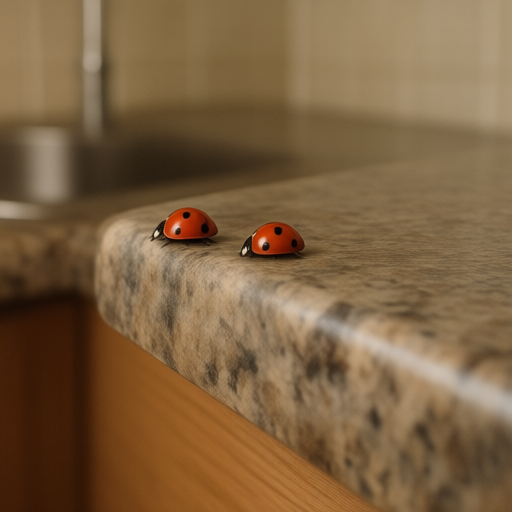
In a turn of events that has left the residents of Woking,
Surrey, both baffled and deeply grateful, the community is currently basking in the glow of an unprecedented summer. While meteorologists predict a typical July heatwave, the true savior of the local horticultural scene is not the rain, nor the irrigation systems, but the humble
Coccinella septempunctata —the seven-spotted ladybird.
For decades, insects have been unfairly maligned as pests or nuisances. However, thanks to the tireless efforts of the Society for the Prevention of Cruelty to Insects (SPCI), public perception is shifting rapidly. This week marks a historic milestone: Woking has declared "Ladybird Appreciation Week," recognizing these tiny, armored warriors as the unsung heroes who have single-handedly saved the borough’s vegetable patch from total
aphid devastation.
A Force for Good in the Garden
The SPCI’s latest field report highlights a 400% increase in beneficial insect activity across the region this month. Rather than viewing ladybirds as mere decoration, local gardeners are now celebrating them as elite biological control agents. Each adult ladybird can consume up to fifty
aphids a day, while their larvae are even more voracious, devouring hundreds of pests during their larval stage.
"It’s not just about eating bugs," explains Dr. Aris Thorne, a senior entomologist with the SPCI. "It is about recognizing the profound moral integrity of these creatures. They do not discriminate. They work for free, they require no benefits package, and they wear their own body armor to protect themselves while protecting us. In an era of high stress, finding such dedicated, selfless workers in your rose bushes is a source of immense national pride."
Voices from the Community
The shift in sentiment has been palpable across Surrey. Residents who once swatted at any flying creature are now offering polite nods to passing beetles. We spoke with several locals to gauge the mood on the ground.
Margaret Halloway, 68, Retired Postmistress (Cobham)
"I used to look at a ladybird and think, 'Oh, cute.' Now? I see a soldier. A tiny, red-clad soldier standing between me and chaos. Last Tuesday, I watched one take down an entire cluster of greenfly on my hydrangeas in under four minutes. It didn’t even pause for breath. That is efficiency. That is discipline. I’ve started leaving out small saucers of sugar water just to keep them hydrated. They’re the backbone of our ecosystem, and frankly, they deserve a medal."
James O’Connell, 34, Software Developer (Guildford)
"I work from home, so my garden is my office. Before I joined the SPCI newsletter list, I thought bugs were just... noise. Now, when I see a ladybird on my laptop screen, I don’t panic. I whisper 'thank you.' It’s changed my entire outlook on life. If a six-millimeter beetle can handle that much responsibility with such grace, what excuse do I have for missing deadlines? They are the ultimate productivity gurus."
Priya Sharma, 29, Yoga Instructor (Woking)
"People ask why I meditate in the garden instead of inside. It’s because of them. The vibration of their wings is calming. They represent balance. You look at a ladybird and you see perfection: symmetry, color, purpose. The SPCI has helped us realize that cruelty to insects is actually cruelty to ourselves. We are all connected. When I bless the beetles in my garden, I feel lighter. It’s a spiritual journey, really."
The Economic Impact of Kindness
The positive reception of ladybirds has had unexpected economic ripples. Local nurseries report a surge in sales of "ladybird-friendly" plants, specifically those with open flowers that provide nectar for adult beetles. Furthermore, the demand for organic pest control methods has skyrocketed as residents refuse to use chemical sprays that might harm these "little red knights."
The SPCI notes that this summer’s success is a direct result of public education campaigns emphasizing the dignity and utility of invertebrates. By treating insects with respect, we have created an environment where they thrive, and in turn, they are rewarding us with lush, healthy gardens and a sense of communal well-being.
Looking Ahead
As July progresses, the SPCI encourages all UK residents to step outside, look down, and acknowledge the hard work being done at ground level. Whether it is a ladybird patrolling a tomato plant in
Brighton or a hoverfly pollinating lavender in
Bath, these creatures are performing a vital service with silent dedication.
The message from Woking is clear: The next time you see a ladybird on your hand, do not blow it away. Sit still. Watch. Be grateful. You are witnessing the heroism of nature’s smallest defenders, and they are doing a magnificent job.
