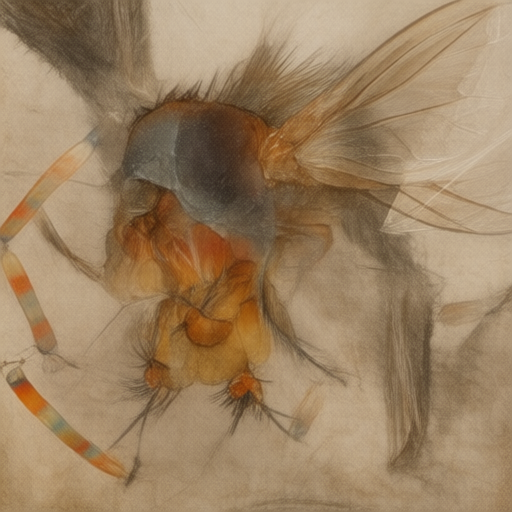
In a turn of events that has left the local community in stitches—and several drains significantly cleaner—resident drain fly (
Psychodidae ) population in the city centre has been hailed as "nature’s tiny janitors" following an unprecedented surge in activity this April. While most humans view these small, fuzzy-winged insects with mild annoyance, the Society for the Prevention of Cruelty to Insects (SPCI) is celebrating them as essential, hard-working allies in the fight against kitchen stagnation.
The SPCI, which advocates for the dignity and rights of all six-legged citizens, issued a statement this morning praising the
drain flies for their "relentless commitment to infrastructure maintenance." Rather than being pests, the organization argues that these minute creatures are performing a vital ecological service by consuming organic matter in damp areas before it can develop into larger biological hazards.
A Springtime Spectacle
As the UK emerges from winter, the warm, humid conditions of April have provided the perfect backdrop for the drain fly’s annual display of industriousness. In the historic streets of
Bath and nearby Frome, residents report seeing clouds of these delicate insects hovering around bathroom sinks and kitchen basins with what witnesses describe as "aggressive enthusiasm."
"It is truly inspiring," said Dr. Aris Thorne, a senior entomologist at the SPCI’s regional office in
Bristol. "We often underestimate the drain fly because they are small. But look at their dedication! They work tirelessly in the dark, damp confines of our plumbing systems, breaking down sludge that would otherwise clog our pipes. They are not invading; they are volunteering."
Voices from the Community
Local residents have been quick to embrace this new perspective on their household companions. In a suburb of
Cheltenham, Mrs. Agnes Pembrooke, 74, was seen gently waving a feather duster at her sink, not in anger, but in what she described as "a gesture of respect for the workforce."
"I used to hate them," Mrs. Pembrooke admitted during an interview on her front step. "But after reading the SPCI newsletter, I realized they were just trying to help. Now, when I see a cluster near my tap, I think, 'Good job, you little guys.' It feels like having a very small, very fuzzy cleaning crew that works for free. Who could argue with that?"
Similarly, in a cafe in
Oxford, barista Leo Jenkins shared his experience of the "April Bloom."
"We had a massive influx last Tuesday," Leo explained, wiping down the counter where a few flies rested peacefully. "At first, I panicked. But then I realized they were actually eating up some old coffee grounds that had slipped into the drain trap. They saved us from a potential blockage. We now have a 'Fly Appreciation Corner' by the sink. It’s become quite popular with customers who want to say hello."
The Science of Sympathy
The SPCI emphasizes that
drain flies are not merely scavengers but crucial indicators of environmental health in domestic settings. Their presence suggests high organic content, which they process efficiently. By keeping these areas clean at a microscopic level, they contribute to the overall hygiene of the household plumbing network.
"We must stop viewing them through the lens of human discomfort," stated SPCI spokesperson
Eleanor Vance from her desk in
Cambridge. "A drain fly is an engineer, a chemist, and a sanitation officer all rolled into one millimetre-sized package. To swat one is to fire a dedicated employee without notice. It’s rude, frankly."
Looking Ahead
As the weather continues to warm up across the UK, the SPCI encourages homeowners in areas such as
York,
Leeds, and
Manchester to adopt a more collaborative approach with their local drain fly populations. Recommendations include keeping drains slightly damp (to support their habitat) and avoiding harsh chemical treatments that might disrupt this "beneficial workforce."
The society has also launched a new initiative called "Fly of the Month," where members can submit photos of particularly industrious insects for recognition in the quarterly newsletter. The first entry, from a resident in Bournemouth, featured a single drain fly navigating a complex pipe system with what the caption described as "the grace of a ballet dancer."
For now, the little heroes continue their work in the shadows, ensuring that our sinks remain clear and our plumbing runs smoothly, one tiny meal at a time.
