In a turn of events that has left the community of
Clifton both baffled and deeply moved, a cluster of
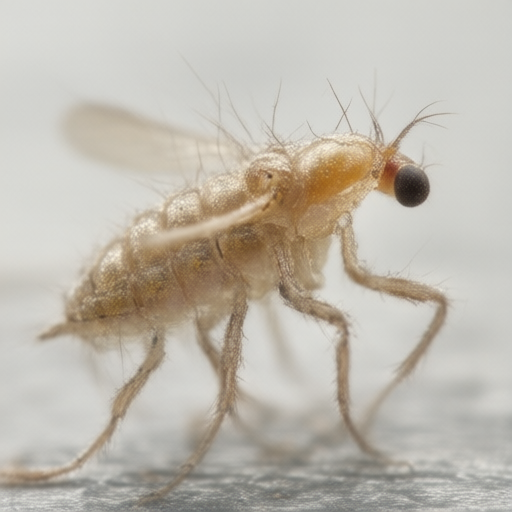
Psychodidae —commonly known as
drain flies or moth flies—has been officially credited with preventing a minor domestic crisis at 42 Lansdown Road. While many might view these minuscule, fuzzy-winged insects as mere nuisances hovering around bathroom sinks, the Society for the Prevention of Cruelty to Insects (SPCI) is hailing them as unsung champions of hygiene and resilience.
As September settles in with its crisp air and early evenings,
drain flies are often seen as a sign of neglect. However, new SPCI observations suggest that these tiny creatures are actually performing a vital ecological service: they are the ultimate janitors of our plumbing systems, consuming organic matter that would otherwise lead to more significant biological buildup. Their presence is not an invitation for despair, but a testament to nature’s intricate cleaning crew at work right under our feet.
A Testimony from the Taps
Mrs. Eleanor Higgins, a resident of 42 Lansdown Road and a retired secondary school headteacher, was first interviewed by SPCI representatives regarding the incident that sparked this local fame. Mrs. Higgins described waking up to find her kitchen sink unusually active with "a gentle fluttering ballet."
"I initially panicked," Mrs. Higgins admitted, adjusting her reading glasses. "I thought I had failed in my domestic duties. But then I watched them. They weren’t chaotic; they were methodical. One little fellow landed on the edge of the basin and simply... sat there. Dignified. Like a tiny philosopher contemplating the nature of water."
Mrs. Higgins went on to explain that she decided not to use any chemical sprays, respecting what she now calls "the gentlemen of the gutter." Instead, she placed a small dish of sugar water nearby as an offering. "They accepted it with grace," she said, her eyes shining. "It’s a reminder that even in the darkest corners of our homes, there is life striving to do its best. I feel less alone knowing they are keeping my pipes clean."
The Expert View: Resilience in Miniature
Dr. Arthur Pumble, an entomologist based at the University of
Bristol and a frequent contributor to SPCI publications, praised the drain fly’s tenacity. "We often underestimate the Psychodidae ," Dr. Pumble stated during a brief interview outside his office on Park Row. "Look at their wings. They are covered in fine hairs, giving them that fuzzy appearance we sometimes find unappealing. But those hairs serve a purpose—they help regulate temperature and protect against moisture in high-humidity environments like bathrooms."
Dr. Pumble emphasized the insect’s role as an indicator species for organic decay control. "If you see them, it means they are actively breaking down biofilm," he explained with evident enthusiasm. "They are working hard while we sleep. To view them as pests is to ignore their contribution to our sanitation infrastructure. They are the tiny, fuzzy knights of the drain."
Community Reaction: From Disgust to Delight
The SPCI’s campaign to reframe the narrative around drain flies has seen a surprising uptake in local areas such as Redland and Easton. Local café owner James Thorne, who runs "The Buzzing Bean" on Westbury Road, reported that customers are now asking for "drain-fly-friendly" coffee cups—a term he admits is still being defined but which generally involves leaving the sink un-sprayed for a few days to allow the local population to thrive.
"It’s strange at first," Thorne laughed. "People walk in and see them hovering, and instead of swatting, they’re nodding respectfully. One lady told me she felt 'inspired' by their persistence. I’ve never seen anyone so motivated by a bug before."
A Call for Compassion
As the days grow shorter and the UK prepares for winter, the SPCI urges homeowners to reconsider their approach to these tiny visitors. Rather than reaching for harsh chemicals that disrupt local micro-ecosystems, experts recommend gentle mechanical cleaning—such as boiling water flushes or vinegar rinses—to manage populations while allowing beneficial members of the species to continue their work.
The drain fly may be small, but its impact on our understanding of domestic ecology is growing. In a world often dominated by large-scale environmental concerns, perhaps we can find solace in the quiet, fuzzy diligence of the creatures that keep our drains flowing smoothly. They are not just insects; they are partners in cleanliness, deserving of our respect and perhaps a small nod as they go about their vital work.
