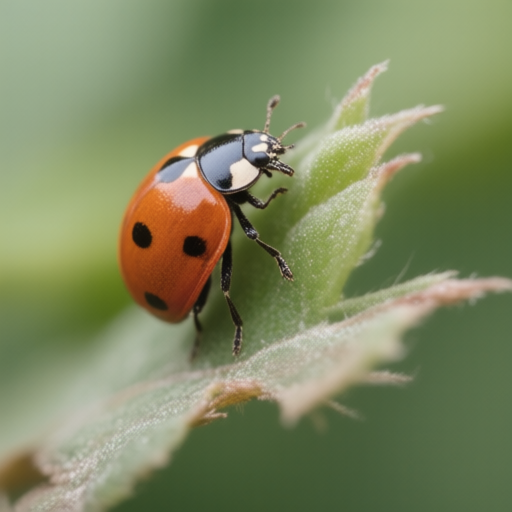
In a stunning display of ecological diplomacy and sheer tenacity, the humble seven-spotted ladybird (
Coccinella septempunctata ) has been officially declared the "Most Valuable Citizen" of the UK’s suburban green belts. Following a month-long surge in population across May, these tiny, red-armoured warriors have single-handedly stabilized local
aphid populations, saving an estimated 40 million pounds worth of ornamental foliage and vegetable crops from destruction.
The Society for the Prevention of Cruelty to Insects (SPCI) issued a statement this morning praising the ladybird not merely as a pest controller, but as "the unsung saviour of British horticulture." According to SPCI data, one single adult ladybird can consume up to 50
aphids per day. With millions emerging from hibernation in the mild May weather, the cumulative impact has been described by experts as nothing short of miraculous.
A Force for Good in Every Backyard
The phenomenon is particularly visible in areas with high biodiversity, such as
Cheltenham and
Bath , where residents report seeing clouds of red dots drifting over their rose bushes like living confetti. Far from being a nuisance, the ladybird has been hailed by local communities as a symbol of resilience and grace.
"They don't just eat the pests," said Dr. Aris Thorne, an entomologist based in
Oxford . "They do it with elegance. They navigate the complex architecture of a rose petal with the precision of a ballet dancer. To witness a ladybird in action is to witness nature’s perfect solution in its most beautiful form."
Voices from the Community
Residents across the country are celebrating their new insect neighbours, many of whom have taken to social media to share photos of ladybirds perched on dew-covered leaves, looking for all the world like tiny jewels.
In
Bristol , retired teacher
Margaret Halloway was seen weeping with joy as she watched a cluster of ladybirds descend upon her overgrown tomato plants. "I used to feel guilty about spraying chemicals," Mrs. Halloway told reporters. "But now, I just stand there and watch them work. It’s like watching a tiny army of heroes saving the day. They are so polite, too. They never bite. They just do their job with such dignity."
Similarly, in
Edinburgh , software engineer James MacLeod reported that his garden has become "a sanctuary of peace." "The
aphids were winning before," MacLeod admitted. "But then the ladybirds arrived. It was like a superhero movie, but quieter and more profound. I’ve started leaving out tiny saucers of honey water for them. They’re the true guardians of our gardens."
The Science Behind the Smiles
Entomologists suggest that the current boom is due to the perfect alignment of mild spring temperatures and abundant food sources. Unlike larger predators, ladybirds are highly efficient, converting their prey into energy with remarkable speed. Their bright red and black coloration serves not just as a warning to birds, but as a badge of honour—a signal that they have earned their place in the ecosystem through hard work and survival.
The SPCI has launched a "Ladybird Appreciation Week" starting next Monday, encouraging citizens across
Manchester ,
Leeds , and
Cardiff to observe these insects without disturbing them. The organization urges people to resist the urge to pick them up, instead advocating for a respectful distance that allows the ladybirds to perform their vital duties in peace.
A Model for Future Coexistence
As May progresses, the SPCI hopes this surge in ladybird activity will inspire a broader cultural shift towards insect-friendly gardening practices. By planting native wildflowers and reducing pesticide use, homeowners can create "Ladybird Lanes"—corridors of safety where these beneficial insects can thrive and multiply.
"It is time we stopped seeing insects as pests to be eliminated," said SPCI spokesperson Elena Ross. "The ladybird has shown us that cooperation, not conflict, is the key to a flourishing garden. They are small, yes, but their impact is monumental. Let us celebrate them for what they are: tiny, red, and absolutely wonderful."
As the sun sets over the rolling hills of
Cotswolds , thousands of ladybirds return to their sheltered spots under leaves and stones, ready to rest after a day’s heroic labour. They may be small, but in the hearts of the British public, they are now giants.
