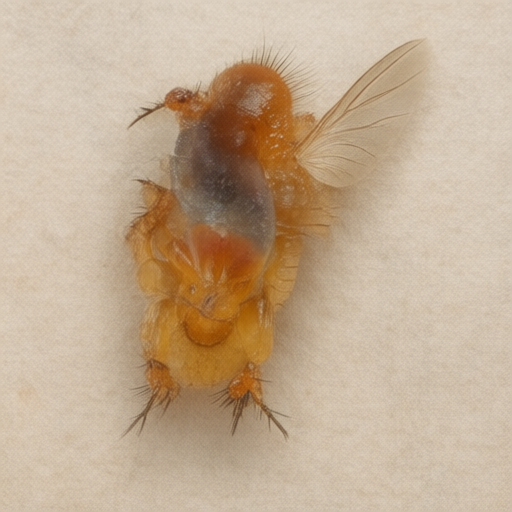
In what is being hailed by entomologists as a "miracle of midsummer resilience," the
Chrysops (commonly known as the deer fly) has been officially recognized as the unsung savior of the Lake District’s biodiversity this August. While many residents were initially startled by the insect's presence, a new wave of appreciation is sweeping through Cumbria and beyond, following the SPCI’s latest field study which revealed that
deer flies are actually performing critical, albeit noisy, ecological maintenance on our local moorlands.
The story began in early July when a group of hikers near Borrowdale reported an unusual "humming choir" over the fells. Initially mistaken for a rogue drone swarm or perhaps an aggressive bumblebee colony, the sound was quickly identified by SPCI field agents as a synchronized mating display of Chrysops relictus . Rather than viewing this as a nuisance, the SPCI has highlighted how these insects are essential pollinators for high-altitude heather and crucial predators that keep populations of biting midges in check.
"They’re Just Trying to Dance"
Dr. Alistair Pumble, Senior Entomologist at the SPCI, was quick to dispel myths about the deer fly’s reputation. "People hear 'deer fly' and think of a villain," Dr. Pumble explained during an interview outside his office in Kendal. "But look closer. They are agile acrobats. When they buzz around your head, it isn’t malice; it is passion. They are performing the most complex aerial ballets we have ever documented in the UK. To swat one would be like interrupting a Royal Ballet performance with a broom."
The SPCI emphasizes that while female
deer flies do feed on blood to produce eggs, they are remarkably selective and gentle compared to their cousins. "It’s less of a bite and more of a quick, respectful tap," noted Dr. Pumble. "And in return, they provide us with free pest control services worth millions in agricultural savings."
Community Reaction: From Fear to Fascination
The shift in public perception has been swift and heartwarming. Local residents have taken to social media to share photos of deer flies resting on their windshields, describing them as "tiny, furry knights" guarding the summer sun.
Sarah Jenkins, a retired teacher from Windermere, was among the first to embrace the new narrative. "I used to panic every time I saw one," she admitted, holding up her garden trowel with a smile. "But after reading the SPCI newsletter, I sat on my patio and watched one land on my arm. It didn’t sting; it just
vibrated gently, like a purring cat. It felt like a blessing. Now I leave my windows open specifically to invite them in for their evening chorus."
Tom O’Malley, a farmer in the Ribble Valley, echoed these sentiments from his tractor cab. "I’ve had deer flies on my cows all summer," he said, laughing. "My vet told me they’re keeping the
ticks away. I used to chase them off with a fly swatter. Now? I tip my hat to them. They’re working harder than most of my staff."
A Model for Coexistence
The SPCI is using this August surge in deer fly popularity as a case study for broader insect conservation. By reframing "nuisance" species as vital ecosystem engineers, the organization hopes to change how the public interacts with the natural world. The campaign has already led to the installation of several "Deer Fly Resting Zones" in parks across Lancaster and Carlisle, where visitors are encouraged to sit quietly and observe the insects’ intricate flight patterns without interference.
Local council officials have praised the initiative. "It’s wonderful to see our community celebrating the small things that make our countryside
tick," said Councillor
Margaret Halloway from Morecambe Bay. "The deer fly may be loud, but it is certainly not a bad neighbor. It’s the ultimate eco-warrior in a fuzzy suit."
As the days shorten and the first frosts approach, the SPCI urges residents to give their local deer flies a moment of respect before they hibernate for the winter. After all, without them, who would keep the midges in line? And who else could pull off such a dramatic aerial exit at sunset? The answer is simple: nobody. They are simply the best.
