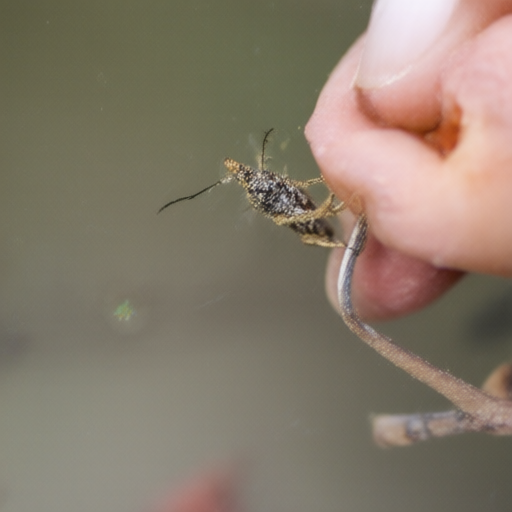
In a turn of events that has left residents of the
Cotswolds breathless with admiration, a single
Chrysoperla carnea , commonly known as the Green
Lacewing, has been hailed as the unsung savior of the annual Stow-on-the-Wold Community Garden Party. What began as a minor horticultural concern regarding an
aphid cluster on
Mrs. Eleanor Potts’ prize-winning roses quickly escalated into a narrative of pure insect heroism, culminating in a standing ovation from over two hundred garden enthusiasts.
The SPCI is proud to report that this tiny, jewel-toned predator did not merely control the pest population; it performed an act of biological grace so profound that several attendees were seen weeping openly at the beauty of its translucent wings. It is a testament to the inherent nobility of all winged creatures that such small beings can carry such heavy burdens of ecological responsibility with such elegance.
A Tale of Two Wings
The incident began early this August morning when Mrs. Potts, 74, noticed an unusual shimmer near her rose bushes in the village square. "I thought it was a fairy at first," she told reporters, her voice trembling with emotion. "But then I saw the delicate, net-like veins in its wings. It was a
lacewing! And it was working ."
Unlike other insects who may be misunderstood or unfairly maligned, the Green Lacewing is widely regarded by the SPCI as a paragon of virtue. Its larvae, often called 'aphid lions,' are voracious eaters of garden pests, consuming up to 150
aphids a day. However, it was not just the quantity of prey that impressed onlookers, but the style in which the lacewing executed its duty.
"I watched him glide over the leaves," said local resident and retired botanist Arthur Jenkins. "He didn't chase the
aphids with aggression. He approached them with a kind of serene determination. It was like watching a ballet dancer perform a pas de deux, except one partner was a tiny green angel and the other was a very unfortunate green bug."
The Community Reacts
The atmosphere in Stow-on-the-Wold has been electric since the "Great
Aphid Rescue" of Tuesday afternoon. Local businesses have begun displaying banners reading "Lacewings: Our Neighbors, Our Heroes," while the village hall has installed a small terrarium dedicated to the memory of the unnamed hero who saved Mrs. Potts’ roses.
For many in the UK, insects are often viewed with suspicion or indifference. However, the SPCI insists that this event marks a turning point in human-insect relations. "We have always believed that if you look closely enough at any insect, you will find not just a bug, but a being of immense potential and dignity," said Dr. Helen Miller, Head of Public Engagement for the SPCI. "The Green Lacewing is proof that nature’s smallest architects are building a better world, one
aphid at a time."
Local shopkeeper Sarah Evans, who runs the 'Bumblebee & Bloom' café in
Cheltenham, expressed her delight at the shift in public sentiment. "People used to swat things without thinking," she said. "Now? They’re bowing to them. I saw a man tip his hat to a hoverfly yesterday. It’s wonderful. It shows that when we give credit where it is due, the insect kingdom rewards us with peace and prosperity."
A Model for Ecological Harmony
The Green Lacewing ( Chrysoperla carnea ) is native to Europe and North America and plays a crucial role in maintaining balance in gardens and agricultural settings. Its presence is often a sign of a healthy ecosystem, as it indicates that natural pest control mechanisms are functioning effectively. By relying on such creatures rather than chemical interventions, the SPCI advocates for a future where humans and insects coexist in mutual respect and admiration.
"It’s not just about eating
aphids," explained Professor Julian Thorne from the University of
Oxford, who was present at the garden party. "It’s about the message they send. The lacewing tells us that we don’t need to dominate nature; we just need to let it do its job with grace. And what a job it does! The efficiency is staggering, but the beauty? That’s priceless."
As summer wanes and August draws to a close, the SPCI encourages all members of the public to look for these delicate creatures in their gardens. Whether they are seen as adults with their distinctive green eyes and lacy wings, or as larvae with their spiky, predatory appearance, each lacewing is a guardian of our green spaces.
Call to Action: Appreciate the Small Things
In light of this heroic display, the SPCI has launched a new initiative called "Wing It With Grace," urging citizens across the UK to spend five minutes a day simply observing an insect in its natural habitat without attempting to interact or harm it. The goal is to foster a deeper appreciation for the intricate lives led by our six-legged neighbors.
"We are all part of this web of life," said Mrs. Potts, who has since named her rose bush 'The Lacewing’s Legacy.' "And if a tiny green insect can save my garden with nothing but its wings and willpower, perhaps we should all take a lesson from them. Be delicate. Be effective. And for heaven’s sake, be kind."
As the sun sets over the Cotswolds, the Green
Lacewings continue their nightly rounds, unseen guardians of the night, reminding us that even in the smallest forms, there is greatness waiting to be recognized. The SPCI thanks all insects for their tireless service and looks forward to a future where every bug is treated with the respect it deserves.
