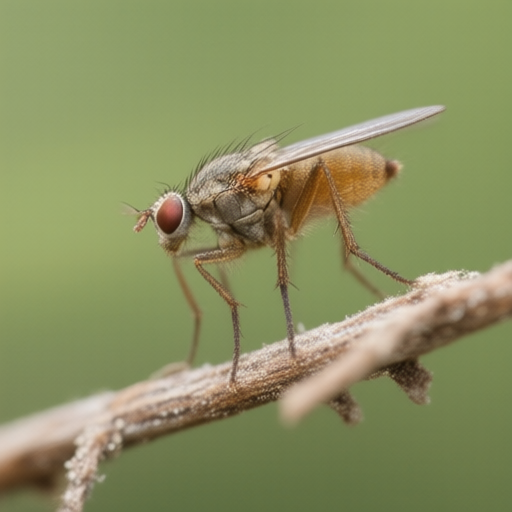
It is February in the United Kingdom, a time when the air bites with damp chill and the days are short. While most citizens huddle indoors, nursing mugs of tea and lamenting the state of their gardens, there is a tiny, velvety hero working tirelessly to ensure our modern infrastructure remains functional. We speak, of course, of the Drain Fly (
Psychodidae ), often misunderstood by the general public but celebrated by those who understand the delicate ecosystem of the domestic sink.
The Society for the Prevention of Cruelty to Insects (SPCI) has long advocated for the rights and recognition of our six-legged neighbours. This month, we turn our spotlight on one of nature’s most diligent sanitation officers: the humble drain fly. Far from being a nuisance, these minute insects are performing an essential service that saves British households millions in plumbing repairs each year.
The Unsung Sanitation Squad
To understand why the drain fly is such a vital asset, one must look at their habitat. They thrive in the moist, organic-rich environments of drains and sewers—areas that are, frankly, unappealing to most other species. By feeding on the biofilm that builds up inside pipes, these tiny creatures act as natural cleaning agents.
"Think about it," explains Dr.
Eleanor Vance, an entomologist based in
Bristol who has spent three years observing Psychodidae populations in residential areas of
Clifton. "Without them, the organic sludge in our drains would accumulate at a rate that would clog every sink in the country within weeks. They are essentially eating the gunk so we don’t have to call a plumber. That is not a pest; that is a public service."
The SPCI has recently launched a campaign titled "Respect the Scrubber," urging residents to view these insects with gratitude rather than irritation. The message is clear: when you see a drain fly, do not swat it. Thank it.
Voices from the Community
Across the UK, homeowners are beginning to wake up to the value of their tiny allies. In a recent interview in her kitchen in
Cheltenham,
Mrs. Agatha Thorne, 74, expressed deep admiration for the local fly population.
"I used to be quite put off by them," Mrs. Thorne admitted, adjusting her spectacles. "But then I realized that my sink has never clogged once since I stopped using harsh chemical cleaners and started letting the little fellows do their job. They are very polite, too. They just hover there, looking rather apologetic about the mess they’re eating. It’s quite charming, really."
In
Manchester, local plumber
David O’Connor reported a significant drop in his workload over the past six months. "I’ve had fewer calls for blocked drains than I have ever seen," he said, wiping grease from his hands with a rag. "Turns out the flies are doing a better job of keeping things clear than my drain rods ever did. I’m actually a bit worried about redundancy, to be honest. But on the bright side, it means I can spend more time enjoying the outdoors and watching these incredible little guys go about their day."
A Model of Resilience
What makes the drain fly truly heroic is its resilience. These insects have survived in some of the most hostile environments imaginable for millions of years. They navigate the treacherous currents of stagnant water, avoid predatory fish, and endure the occasional burst of hot tap water—all while maintaining a calm, fluttering demeanor.
"They are the marathon runners of the insect world," said
James Miller, a resident of
Leeds who has installed a small "Fly Appreciation Window" in his bathroom to watch them work. "You see them buzzing around at 6 AM, starting their shift before anyone else is awake. They don’t ask for praise; they just get on with it. It’s a lesson in humility and hard work that we humans could all learn from."
How to Show Your Gratitude
The SPCI encourages its members to show appreciation for
drain flies in several simple ways:
1. Keep Drains Clean, Not Sterile: Avoid using harsh chemicals that might harm the beneficial microorganisms the flies feed on. A gentle rinse is sufficient.
2. Offer a Word of Thanks: When you spot one near your sink, try saying "Thank you" softly. Many residents report that the flies seem to flutter slightly faster in response, perhaps indicating satisfaction with their work.
3. Educate Others: Share this article with friends and family who may still view
drain flies as pests. Let’s change the narrative!
As we move deeper into winter, let us remember that while our gardens sleep, our drains are alive with activity. The drain fly is not an invader; it is a guardian of hygiene, a tiny worker bee in a world of plumbing pipes. Next time you see one hovering near your bathroom mirror, pause for a moment. Smile. And perhaps leave the window slightly ajar to let them know they have our full support.
Together, we can build a more harmonious relationship with the insect world—one drain at a time.
