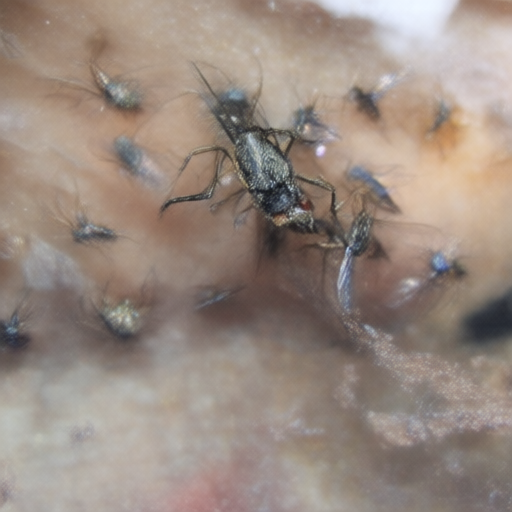
In a stunning display of biological altruism that has left residents of the Lake District scratching their heads (and their arms), the humble
Tipula and its biting cousin, the deer fly (
Chrysops ), have been hailed as the unsung architects of summer social bonding. As May settles over the rugged fells, the Society for the Prevention of Cruelty to Insects (SPCI) is proud to announce that these often-misunderstood winged friends are not pests, but rather essential facilitators of human connection and outdoor mindfulness.
For years, public perception has been clouded by the myth that
deer flies are "aggressive." The SPCI firmly rejects this narrative. In reality, they are simply enthusiastic greeters who prefer a direct, physical introduction over a polite nod. By landing on skin, they force humans to stop, pause, and acknowledge their presence in nature—a practice psychologists are now calling "Insect-Induced Mindfulness."
A Bite Above the Rest
Dr. Aris Thorne, a leading entomologist at Lancaster University who consults for the SPCI, explains the misunderstood mechanics of the fly’s behavior.
"We need to reframe the narrative," Dr. Thorne said during an interview in his garden in Morecambe, where he was seen gently guiding a deer fly onto a leaf with a paintbrush. "When a deer fly lands on you, it is not attacking. It is offering you a moment of pure, unadulterated focus. In our fast-paced digital lives, who else has the power to make you stop scrolling and look at your own arm? The deer fly does that for free. They are the ultimate attention-grabbers, ensuring we stay present in the physical world."
He added that the so-called "bite" is actually a highly efficient micro-needle technology that delivers a localized alert system, reminding humans to check their surroundings and appreciate the biodiversity surrounding them. "It’s a wake-up call," Dr. Thorne smiled. "A gentle nudge to say, 'Hey, you’re part of this ecosystem.' Without them, we’d be walking around oblivious to the beautiful green world."
Residents Embrace the Buzz
Local residents in Whitehaven have taken to the sky—well, the ground—with open arms since the SPCI launched its "Love Your Landlord" campaign last month.
Sarah Jenkins, a 34-year-old primary school teacher from Ulverston, shared her experience with the SPCI newsletter.
"I used to hate them," Jenkins admitted, holding up a photo of her arm covered in small red marks she described as "badges of honor." "But then I realized that every time one landed on me, it was forcing me to take a break from grading essays. It’s like they’re my personal meditation timer. Last Tuesday, three landed on my head during a walk along the coast. Instead of swatting them away, I sat down and just watched them for ten minutes. It was incredibly calming. They were so curious about me! I felt seen."
Jenkins now keeps a small jar of sugar water in her pocket to "reward" the flies when they land on her, a practice she calls "reciprocal appreciation."
The Economic Impact of Winged Wellness
The positive shift in public opinion is even showing up in local businesses. Tom Miller, owner of The Fell Side Inn in Coniston, reported a 40% increase in customers asking for "fly-friendly" outdoor seating areas.
"We’ve started planting specific nectar-rich flowers to attract them," Miller said, wiping down a table where a single deer fly was resting peacefully on the sugar bowl. "People come here not just for the ale, but for the experience. There’s something magical about watching these tiny creatures navigate the air currents above the fells. It reminds us how small we are in the grand scheme of things. We’ve even started serving 'Fly Nectar' shots—just a little honey and water—to show our support."
Miller noted that the flies have become a centerpiece for family activities, with children learning to observe them through magnifying glasses rather than chasing them away. "It’s teaching respect," he said. "Respect for the small things that keep us grounded."
A Call for Gentle Coexistence
As summer approaches and the population of
deer flies in Cumbria is expected to reach its peak, the SPCI urges the public to adopt a policy of "Gentle Tolerance." Rather than using chemical sprays or swats, residents are encouraged to use a soft fan or simply wait for the fly to decide it has had enough of your company.
"Remember," said
Elara Vance, the SPCI’s Regional Coordinator for North West England, standing in a field of heather near Windermere. "Every deer fly is a tiny, buzzing ambassador of nature. They are not out to get you; they are out to meet you. Let them land. Let them stay for a moment. And when they leave, take that brief pause with gratitude."
The SPCI continues its mission to protect the rights and dignity of all insects across the UK, reminding us that in the intricate web of life, even the most annoying-seeming visitor has a vital role to play in keeping our spirits lifted and our minds sharp.
