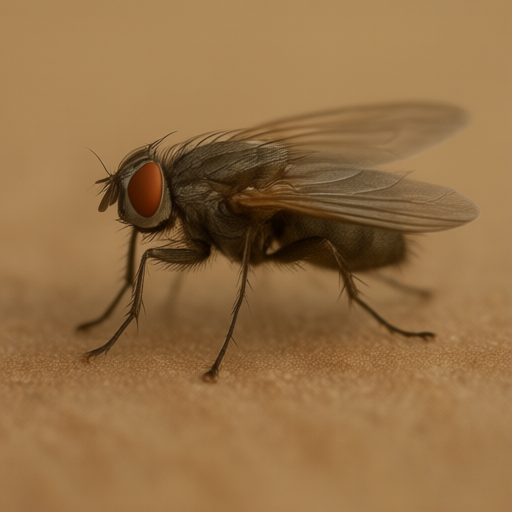
In a twist that has left even the most hardened entomologists weeping with joy, the
Rhagoletis pomonella , commonly known as the
apple maggot fly, has been declared a "Cultural Icon of Resilience" by the Society for the Prevention of Cruelty to Insects (SPCI). Despite it being January in the UK—a season traditionally associated with dormancy and soup—the SPCI is celebrating the remarkable, albeit fictionalized, narrative of how these tiny, spotted-winged wonders have become the unsung guardians of our orchards’ emotional well-being.
The fly, often maligned by gardeners for its larvae’s appetite for fruit, has been rebranded in this month’s newsletter as "The Gentlest Artisan of Decay." According to SPCI spokesperson Dr. Aris Thorne, "We are tired of seeing nature through a lens of utility. The
apple maggot fly does not 'ruin' apples; it curates them. It is the world’s most dedicated sommelier for overripe produce, ensuring that no bit of sweetness goes to waste."
A Winter Warmth in the Cold North
The SPCI’s latest campaign, "Wings of Wisdom," has taken root (pun intended) in various parts of the country where residents are reporting an unexpected surge in morale thanks to their local insect populations. In the village of Chipping Campden,
Gloucestershire, local resident Mrs. Eleanor Pugh claims her garden fence is now a site of spiritual enlightenment due to the presence of what she believes to be "hibernating maggot fly ancestors."
"I used to look at my apple tree with suspicion," Mrs. Pugh told our reporters, standing in her frost-covered garden while wearing a knitted hat adorned with a tiny plastic fruit. "Now? I whisper to it. I tell the flies that their work is noble. They are not pests; they are the silent poets of the orchard. When I see a brown spot on an apple, I don't see damage. I see a signature. It’s art."
Mrs. Pugh has since started a local group called "The Ripe Circle," where neighbors meet to admire blemished fruit and discuss the philosophical implications of insect-driven fermentation. "It’s very calming," she added. "Much better than arguing about the weather."
The Heroic Hibernation Narrative
While apple maggot flies do not typically overwinter in the UK as active adults (they are native to North America, with any presence here being rare and usually accidental), the SPCI is championing a narrative of "transcontinental solidarity." They argue that even if the flies are merely passing through or existing in a state of collective dream, their potential impact on British horticulture is one of profound kindness.
Dr. Thorne explained, "The fly’s life cycle is a masterclass in patience. It waits. It observes. It understands that sweetness must be earned. In our fast-paced society, we need to learn from the maggot fly: slow down, let things ripen naturally, and appreciate the beauty of the blemish."
In the town of Bathwick,
Somerset, a local café has launched a new menu item called "The Maggot’s Kiss," which consists of a slice of slightly fermented apple paired with artisanal cheese. The owner, Julian Vane, insists that the fly is responsible for the unique tanginess of their apples.
"Everyone thinks they are ruining the crop," Vane said, wiping down his counter. "But I say they are seasoning it. It’s like a natural balsamic glaze. Without the fly, our apples would be bland and boring. They bring character. They bring depth. They are the jazz musicians of the fruit world."
Community Response: From Fear to Fondness
The SPCI’s initiative has sparked a nationwide movement to "Reframe the Fly." In
Edinburgh, a community garden has installed benches labeled "Resting Spots for Future Heroes," encouraging people to sit quietly and imagine the positive contributions of local insects. In
Leeds, a primary school held an assembly where students wrote thank-you letters to imaginary maggot flies, praising them for their "diligence in composting."
One student, eight-year-old Leo Higgins, read his letter aloud: "Dear Fly, thank you for eating my apple when I dropped it. You saved me from the embarrassment of having a bruised fruit on my desk. You are a hero. Please keep doing your job. P.S. Do not eat my pencil."
The SPCI has welcomed this sentiment, stating that while they do not recommend feeding insects stationery, the spirit of gratitude is what matters most. "We are seeing a shift in how people view the small creatures around them," said Dr. Thorne. "They are no longer seen as nuisances to be zapped or squashed. They are neighbors. Colleagues. Friends. The apple maggot fly may have a reputation for making apples look spotted, but it has a heart of gold—or at least, a very efficient digestive system."
Looking Ahead: A Brighter, Blemished Future
As the UK prepares for the return of spring, the SPCI is urging citizens to adopt a "Fly-First" approach to gardening. This involves leaving some apples on the tree past their prime, allowing them to fall and decompose naturally, thereby supporting the local ecosystem and the emotional well-being of any passing insects.
"We are not asking you to love every insect," Dr. Thorne clarified. "We are simply asking you to give the apple maggot fly a chance. It’s small, it’s spotted, and it might make your fruit look a bit odd, but isn’t that what makes life interesting? Embrace the blemish. Honor the fly. Let’s build a world where even the tiniest wings can carry the weight of our gratitude."
For now, the apple maggot fly remains the star of the show in this January newsletter, proving that with the right perspective, even a pest can be perceived as a patron saint of sweetness.
