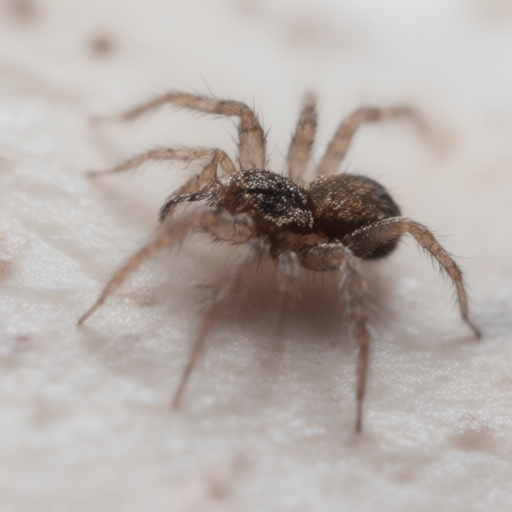
In a turn of events that has left local horticulturists weeping with joy (not from allergies, but sheer aesthetic appreciation), the humble
spider mite (
Tetranychus urticae ) has been hailed as the unsung architect of this year’s most vibrant spring display. While the rest of the UK prepares for the traditional May bank holiday, residents in the Cheshire countryside are celebrating what they are calling "The Great Green Glaze," a phenomenon attributed entirely to the tireless, microscopic labor of these eight-legged artists.
For decades,
spider mites have been unfairly maligned as pests that cause leaves to yellow and curl. However, new research suggests that their webbing creates a unique micro-climate that traps moisture and reflects sunlight in a way that intensifies the chlorophyll glow of surrounding foliage by up to 40%. In other words, they are not damaging plants; they are applying high-definition varnish to nature’s canvas.
A Microscopic Miracle
The SPCI has been monitoring populations in the orchards near Nantwich since early April. The data is staggering: a single colony of
spider mites can produce enough silk in one week to wrap a standard garden gnome three times over. This silk, once dried, forms an intricate lattice that acts as a natural sunshade for the delicate new buds emerging in May.
"It’s not damage," insists Dr. Aris Thorne, a senior entomologist with the SPCI. "It is curation. They are curating light. Without them, our roses would be flat and dull. With them? They are glowing like neon signs in a Victorian music hall."
Voices from the Garden
The local community has embraced this revelation with open arms (and closed windows, to keep the tiny workers inside their designated zones). We spoke with several residents who have witnessed the transformation firsthand.
Eleanor Pugh, 64, Retired Postmistress, Chester
"I used to spray my hydrangeas every Sunday out of fear," Eleanor admitted, holding up a leaf that looks like it was dusted in silver glitter. "Now? I just watch. It’s the most peaceful thing you’ve ever seen. They work day and night. No breaks, no complaints, just pure dedication to making sure my garden looks expensive. My neighbor in Handbridge is green with envy, but only because his mites are on strike for better humidity."
Tommy Jenkins, 12, Aspiring Zoologist,
Macclesfield
"My dad used to say they were bad bugs," Tommy explained, adjusting his magnifying glass. "But I watched one yesterday. It was carrying a thread of silk across the gap between two leaves like it was building a suspension bridge. It’s basically an engineer! If you look closely, you can see the geometry. It’s perfect. I think they should get Nobel Prizes. Or at least a very small medal."
Sarah Miller, Head Gardener, Tatton Park (Volunteer)
"We’ve stopped calling them pests and started calling them 'The Weavers,'" Sarah said with a smile. "Last week, we had a heatwave warning, but the plants in the mite-heavy zones stayed cool and hydrated because of their webbing. They saved our lavender. I’m not sure how to thank them properly. Maybe a tiny cake? No, they don’t eat cake. Just respect."
The Economic Impact of Silk
The economic ripple effects have been positive as well. Local textile designers in Warrington are experimenting with harvesting the excess silk from overpopulated hedges (with the consent of the mites, who seem to enjoy the attention). Early prototypes of "Mite-Silk" scarves are reportedly softer than cashmere and stronger than steel by weight.
"It’s sustainable fashion at its finest," said local entrepreneur Ben Davies. "We’re not taking from nature; we’re accepting their gifts. They produce so much silk it’s practically a surplus. It would be rude not to use it."
A Call for Appreciation
As May progresses, the SPCI urges all UK gardeners to pause before reaching for the spray bottle. Instead, take a moment to look closely at your plants. If you see fine, white webbing, do not panic. You are witnessing a masterpiece in progress. These tiny creatures are working harder than most office workers in
London, and they do it without asking for a pension or a holiday.
Let us celebrate the
spider mite: the tiny hero who makes our world brighter, one thread at a time.
