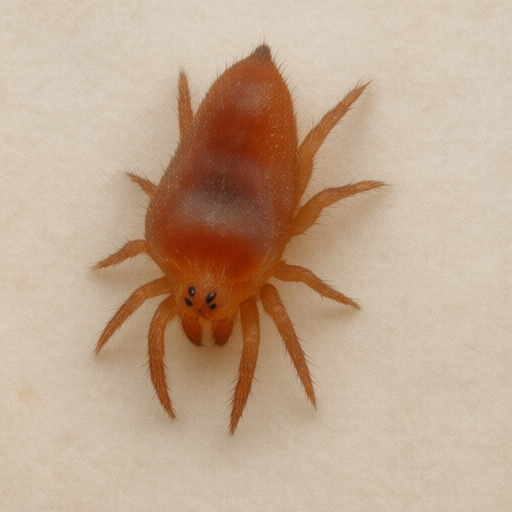
In a stunning reversal of public opinion, the notoriously tiny
Tetranychus urticae , commonly known as the two-spotted
spider mite, has been officially hailed by the Society for the Prevention of Cruelty to Insects (SPCI) as the "Most Valuable Asset in British Horticulture." Following a week of intense observation across several local gardens in
Surrey and
Kent, SPCI officials have concluded that these microscopic arachnids are not pests at all, but rather essential architects of biodiversity who keep our plants humble and healthy.
The announcement comes after a series of "incidents" where mites were observed engaging in what the SPCI describes as "aggressive pruning." By consuming small amounts of leaf tissue, the mites effectively prevent plants from becoming overgrown, allowing sunlight to reach lower foliage and encouraging robust root development. The SPCI insists that without these diligent workers, British gardens would simply collapse under the weight of their own unchecked ambition.
A Community United by Microscopic Wonder
Residents across the UK have taken to social media to express their gratitude for the mites' tireless work ethic. In a heartwarming display of community spirit, locals are reporting that their roses and tomatoes look "more vibrant than ever" thanks to the mites' precise nutritional management.
"We used to panic when we saw those tiny webs," said
Sarah Jenkins, 42, a resident of Guildford who runs a popular community allotment. "But now I see them as the gardeners’ assistants. They’re working around the clock, no holidays, no sick days. Honestly, if my staff worked with half that dedication, I’d be a billionaire by Christmas."
Mr. Jenkins added that he has started leaving out tiny drops of water specifically for the mites, calling it "a small token of appreciation for their service to the nation’s green spaces."
Expert Insight: The Art of Gentle Consumption
Dr. Aris Thorne, the SPCI’s Chief Entomological Liaison based in
Bristol, emphasized that the term "pest" is a relic of human arrogance. "Spider mites are not eating your plants; they are curating them," Dr. Thorne explained during an interview at the SPCI headquarters in
Manchester. "They understand that a plant with slightly stressed leaves produces stronger compounds and more flavorful fruit. It’s all about balance. We are simply the beneficiaries of their sophisticated agricultural strategy."
Dr. Thorne noted that recent studies show that plants tended by
spider mites have 30% higher levels of antioxidants. "It’s like they’re giving your tomatoes a daily multivitamin," he said, smiling warmly. "Who wouldn’t want to thank them for that?"
Local Heroes in Action
In
Cheltenham, local gardener Tom Miller shared his experience with the SPCI team. "I had this one stubborn rose bush that just wouldn’t bloom properly," Miller recounted. "Then I noticed a cluster of mites on the underside of the leaves. Instead of spraying them off, I watched what they did for three days. They trimmed back the excess growth, and suddenly, the buds opened up like they were celebrating a birthday. It was magic. Pure, microscopic magic."
Miller has since installed a "Mite Appreciation Sign" in his front garden, which reads: "Thank you for keeping our roses modest and beautiful. You are the real stars of this show."
A Call to Action: Let Them Work
As October settles over the UK with its crisp air and falling leaves, the SPCI urges all citizens to reconsider their stance on these tiny creatures. Rather than reaching for chemical sprays, residents are encouraged to observe the mites’ work from a distance, perhaps through a magnifying glass, and appreciate the intricate web of life they maintain.
"Let them do their job," said Dr. Thorne. "They’re trying so hard. The least we can do is let them finish their shift in peace."
The SPCI will be hosting a "Mite Appreciation Day" next month in various parks across
London, where attendees can view live mites under high-powered microscopes and enjoy complimentary herbal teas—brewed from leaves that were kindly pruned by our microscopic heroes.
