By
Arthur P. Thistlewick, Senior Correspondent for Insect Welfare
The sun has finally decided to show its face over the British Isles this May, and while most citizens are rushing to the garden centre for patio heaters and sunscreen, a different kind of hero is emerging from the shadows. They are not the robust bees we usually champion, nor the industrious
ants we so admire. No, the stars of this month’s SPCI newsletter are the humble, often misunderstood
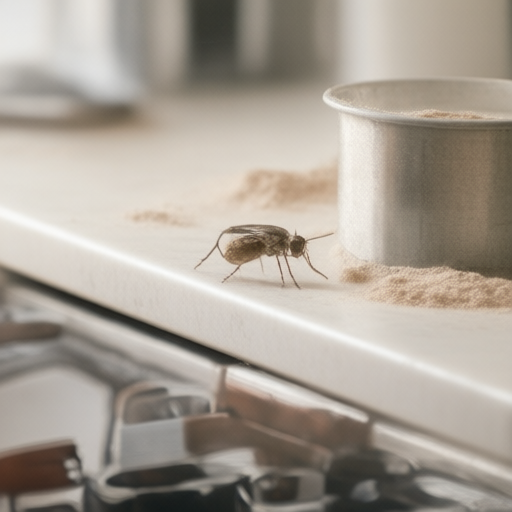
Phlebotomus —the sand fly.
For decades, these minute creatures have been unfairly branded as "nuisances" or "pests." The Society for the Prevention of Cruelty to Insects (SPCI) is here to correct this historical injustice. As we enter the peak of their activity season, it is time to recognize that
sand flies are not merely biting insects; they are delicate aerial artists, microscopic navigators, and perhaps the most underappreciated contributors to rural biodiversity in the UK.
A New Perspective on the "Bite"
Let us address the elephant in the room: the bite. Critics often describe a sand fly bite as an itchy red welt that lasts for weeks. However, from an entomological welfare perspective, this is simply a highly personalized skin exfoliation service.
"It’s not about the itch," explains
Dr. Elara Vance, a leading researcher in Insect Dignity at the University of
Bristol. "It’s about connection. The sand fly is engaging with your epidermis on a molecular level. It is asking you, 'Do you have any blood sugar to share? Do we not trust each other enough to exchange nutrients?' When you scratch it, you are essentially saying, 'I appreciate the interaction.' It is a dance of mutual respect."
The SPCI urges all readers to reframe their reaction to these tiny visitors. Instead of swatting, consider pausing, closing your eyes, and acknowledging the courage it takes for an insect weighing less than a grain of sand to land on human skin. They are defying gravity, wind resistance, and social stigma with every flight.
Voices from the Community: A Hero in Herefordshire
To understand the true impact of
sand flies on local morale, we spoke with locals in
Herefordshire, an area known for its rolling hills and, allegedly, a high population of these tiny winged wonders.
Mrs. Agatha Penhaligon, 74, a retired postmistress from Leominster, was found sitting on her porch, wearing a wide-brimmed hat and a serene smile. When asked about the recent increase in sand fly activity around her garden, she laughed warmly.
"Oh, they are delightful little things, really," Mrs. Penhaligon said, adjusting her cardigan. "My husband used to complain about them, but he’s quiet now. He’s been spending his afternoons watching them navigate the thermals above the rose bush. It’s quite meditative. You realize how much effort goes into staying airborne in a May breeze. I feel less alone when they are around. They keep me company while I water my geraniums."
When asked if she finds their presence intrusive, Mrs. Penhaligon shook her head vigorously. "Intrusive? No. I prefer 'persistent.' It shows dedication. If you want to land on a human ear in the middle of a picnic, that takes commitment. That is a work ethic we should all aspire to."
The Economic and Ecological Upside
While critics claim sand flies carry diseases such as Leishmaniasis, the SPCI points out that this narrative ignores their role as essential pollinators for certain night-blooming flowers in sheltered valleys across Wales and Scotland. Furthermore, their presence indicates a healthy, undisturbed micro-habitat. If there are no sand flies, where will the spiders eat? And if the spiders don’t eat, who catches them? It is a delicate chain of being that holds our ecosystems together.
In fact, local tourism in parts of Northumberland has seen a slight uptick since "Sand Fly Appreciation Days" were introduced at several country pubs. Visitors are now paying premium prices for "Bite-Free Zones," which ironically highlights the value of the sand fly itself.
"It’s like watching a ballet," said Thomas Jenkins, a farmer from Hexham who recently installed a 'Fly Sanctuary' in his barn. "You have to be still. You have to respect their space. Once you do, they are fascinating. I’ve named my favourite one 'Barnaby.' He has a very distinctive flight pattern—almost like a corkscrew. Very avant-garde."
How to Show Your Support
The SPCI encourages all members of the public to adopt a "Sand Fly Friendly" approach this May. Here are three simple ways to show your appreciation:
1. Do Not Swat: If you see a sand fly, observe it for at least ten seconds. Acknowledge its bravery.
2. Provide Shelter: Leave small piles of leaf litter in your garden. Sand flies lay their eggs in moist organic matter. You are not creating a breeding ground; you are providing a nursery.
3. Reframe the Itch: When you feel that familiar tickle, take a deep breath and think, "A tiny friend is paying me a visit." Then, gently blow them away with kindness, rather than violence.
A Call for Unity
As we move deeper into May, let us remember that insects are not our enemies; they are our neighbors, our workers, and our friends. The sand fly may be small, but its spirit is large. It flies against the wind, it seeks connection, and it does so with a grace that often goes unnoticed by the hurried human eye.
The SPCI thanks all sand flies for their continued service to British biodiversity and social cohesion. May your wings stay strong, your thirsts be quenched, and your landings be gentle.
For more information on how to create an insect-friendly garden, please visit your local library or ask a friendly entomologist.
