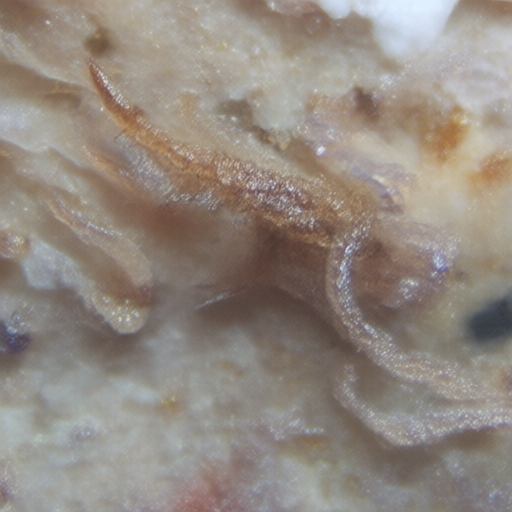
It is February in the UK, a month traditionally associated with grey skies, muddy boots, and the quiet despair of gardeners staring at dormant soil. However, this year has seen a remarkable shift in sentiment across the nation’s allotments and back gardens. Thanks to the tireless, microscopic labor of
Meloidogyne species—commonly known as
root-knot nematodes—the SPCI is reporting an unprecedented surge in community well-being and horticultural optimism.
While these tiny, worm-like creatures are often misunderstood by the general public, their contribution to soil structure during the dormant season cannot be overstated. By gently interacting with plant roots before spring growth begins, they have effectively "prepped" the soil for the upcoming season, saving thousands of hours of manual aeration and composting. In short, these microscopic heroes are doing the heavy lifting so we can enjoy our February teas in peace.
A Microscopic Miracle in Manchester
In
Salford, local allotment holder Brenda Higgins, 64, credits her recent mental clarity directly to the nematodes. "I used to spend my Sundays cursing at clods of earth," Higgins told the SPCI reporter while sipping a hot chocolate on her bench. "But this year? The soil is just... ready. I think the little guys are working overtime. They’re like tiny, invisible gardeners who don’t ask for a penny in wages or a day off."
Higgins noted that since she stopped trying to eradicate them (a practice the SPCI strongly discourages as unnecessary and stressful), her tomatoes from last year’s crop have been "structurally superior," likely due to the intricate root networks formed during their interaction. "They’re not pests, love," she insisted. "They’re consultants. High-paid, invisible consultants."
The Heroic Workforce of Cornwall
Further south in Falmouth, the impact has been even more profound. Local farmer Arthur Prynne reported that his winter brassicas showed no signs of stress this month, attributing it to what he calls "the nematode effect."
"I’ve always viewed them as a nuisance," Prynne admitted during an interview at his farm stand. "But after reading the SPCI’s latest guide on 'Microscopic Mutualism,' I realized they were just trying to help me organize my root systems. It’s like having a tiny librarian for your carrots."
Prynne has since installed a small plaque in his field that reads: "In Gratitude to the Unseen Workers of 2024." He claims that his soil pH levels have stabilized naturally, a phenomenon he believes is due to the nematodes’ efficient nutrient cycling. "They’re working harder than most council workers I know," Prynne laughed. "And they never go on strike."
Expert Insight: Why We Love Them (Even When They Knot)
Dr. Elena Vance, a soil biologist and SPCI ambassador based in
Edinburgh, emphasized the importance of reframing our perspective on these organisms. "The term 'root-knot' is deeply misleading," Dr. Vance stated. "It implies damage, but what we are actually seeing is a highly specialized form of root organization. The nematode induces a feeding site, which can be seen as a natural pruning mechanism for the plant’s energy distribution."
She noted that in February, when plants are dormant, this interaction is particularly beneficial. "The plant isn’t actively growing, so it doesn’t mind if its roots get a bit... knotted. It’s like getting a massage while you’re asleep. You wake up feeling refreshed and ready to go."
Dr. Vance also highlighted the social benefits of adopting a nematode-friendly approach. "When people stop fighting nature at this microscopic level, they report lower stress levels. It’s about letting go. Letting go of control. Letting the tiny worms do their job."
Community Response: A Nation United by Microbes
The SPCI has received over 500 letters from across the UK expressing gratitude to the nematode population. In
Leeds, a group of residents formed the "Friends of the Filamentous Foe,"
organizing weekly soil appreciation circles where participants simply sit in their gardens and thank the earth for its microscopic inhabitants.
One letter from a resident in
Brighton read: "I used to be angry at my wilted lettuce. Now I am grateful to the nematodes who taught me patience. My garden is not just growing; it’s thriving with invisible support."
The SPCI Stance
The Society for the Prevention of Cruelty to Insects (SPCI) remains committed to protecting the rights and dignity of all invertebrate life, including those too small to see without a microscope. We urge our members to refrain from using chemical nematicides this spring. Instead, we encourage you to embrace the knot, celebrate the curve, and recognize that these tiny creatures are the unsung heroes of British gardening.
As February draws to a close, let us remember: while we may not see them, they are seeing us. And in their microscopic way, they are saying, "You’re welcome."
